Music sells an experience
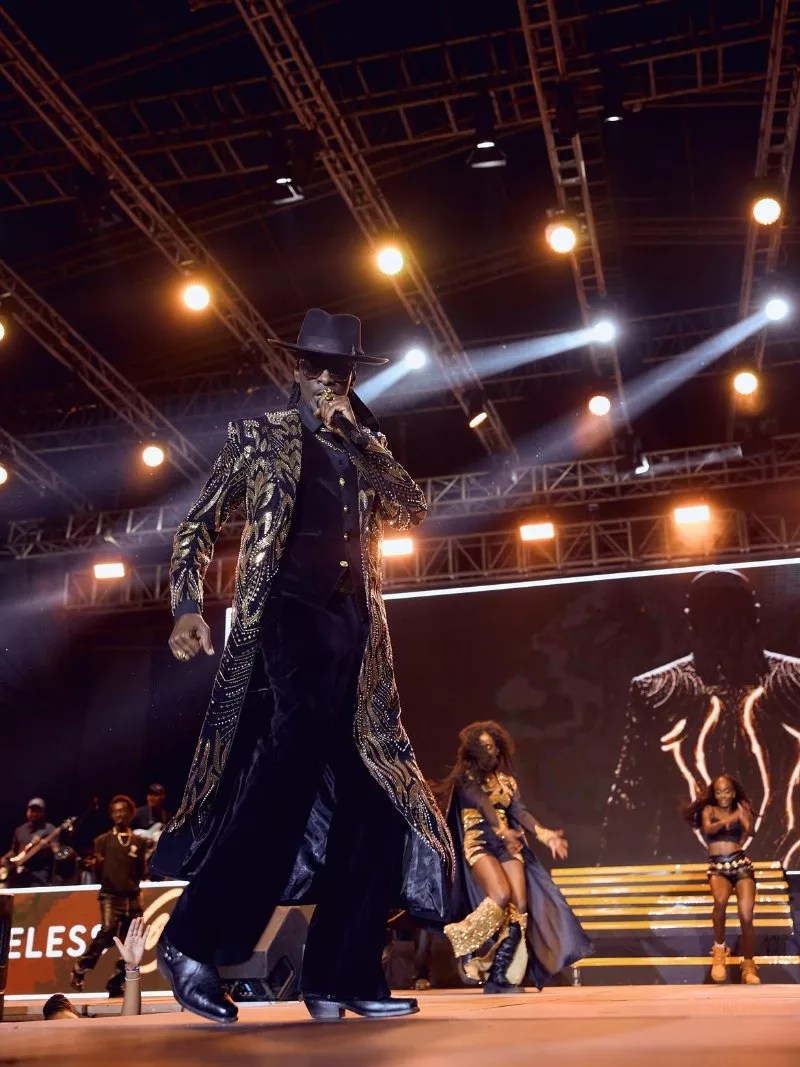
One advantage music has is the live experience.
A concert is not simply about listening to a song. Fans get to see the performer, sing with thousands of other people, dress for the occasion and create memories that can be shared afterwards.
Kenyan popular musicians have also built careers around live performance, airplay and social media audiences. Research from Kenyatta University notes that concert attendance and social media viewership have become important measures of an artist's ability to control an audience.
“A concert gives fans a reason to leave the house. A film has to convince them that the cinema is where the experience should happen.”
The power of artist branding
Music also benefits from recognisable personalities.
A fan may attend a concert because they have followed an artist for years. The relationship is strengthened by Instagram posts, TikTok clips, interviews, music videos and behind-the-scenes content.
That constant visibility matters.
The Media Council of Kenya reported in 2026 that social media had become a leading source of content access, with entertainment among the areas attracting strong audience interest. More than half of respondents reported using social media and streaming platforms such as TikTok, Instagram, YouTube, Spotify, Netflix and Showmax to access news and entertainment.
Music fits naturally into that environment. A new song can be promoted through short videos, dance challenges and snippets long before the concert date.
Kenyan cinema faces a different challenge
Film has increasingly moved towards digital distribution, but that has created its own dilemma.
Why pay to travel to a cinema when audiences can eventually watch films from home?
Research on digital technology and film distribution in Kenya has highlighted how smartphones and social media have changed film consumption, while online promotion can also help films reach potential viewers.
Cinema access is another factor. The Kenya Film Classification Board has acknowledged the need to revive cinema-going culture, including through its Sinema Mashinani initiative. The Nairobi Film Centre, for instance, has 850 seats and is intended to host films alongside concerts, comedy and other events.
The gap is not impossible to close
The success of Makosa ni Yangu shows that Kenyan cinema can generate a major communal experience when filmmakers create an event around a release.
The lesson may therefore be less about music being inherently more popular than film and more about how each industry builds its audience.
Music has mastered the relationship between artist, fan and live event.
Kenyan filmmakers are increasingly experimenting with similar approaches through premieres, social media campaigns, community screenings and stronger personalities around their productions.
The challenge is turning a film release into something audiences feel they must experience together.