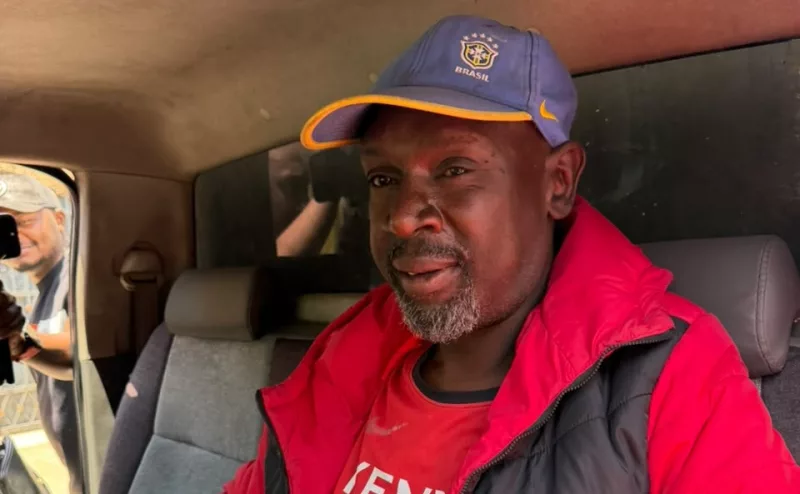
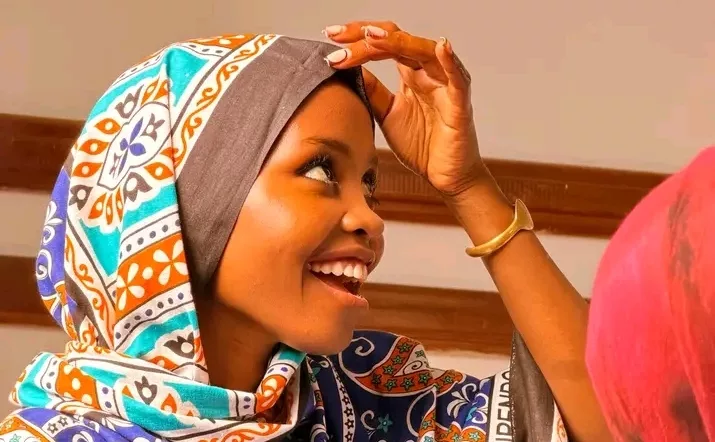
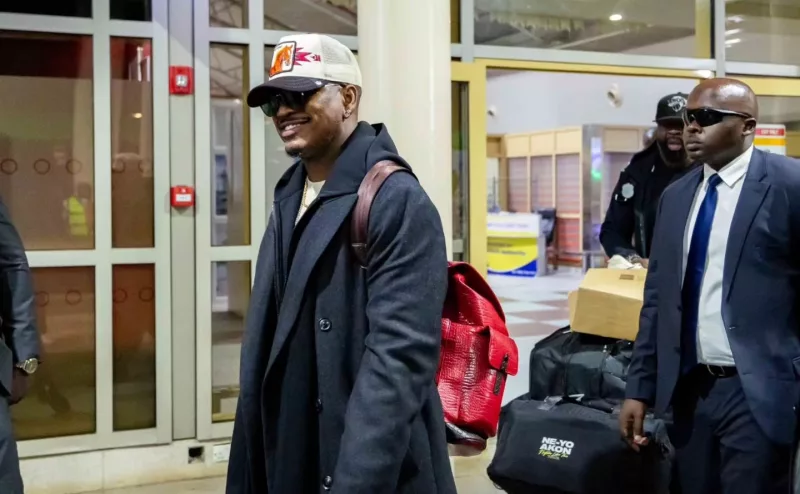
The Digital Content Creators Association of Kenya (DCCAK) has issued a public press release addressed to content creators Sheryl Cherono, popularly known as Sheryl Gabriella, and Robert Mbaya, widely known as Baha, following the circulation of controversial content linked to them on social media.
In the statement, the association expressed concern over what it described as inappropriate content that has been spreading across various online platforms, warning that such incidents could negatively affect the reputation of Kenya’s digital content industry.

DCCAK Defends Professionalism in the Digital Space
Read Also
According to the association, it has consistently championed responsible digital content creation and has worked towards creating a safe, ethical, and professional online environment.
DCCAK noted that one of its major goals is to attract more corporate advertisers and investors into Kenya’s digital content sector, ensuring that content creators can benefit from increased advertising opportunities similar to those enjoyed by traditional media houses such as television, radio, and print outlets.
The association argued that content perceived as obscene or harmful risks damaging the industry’s credibility and discouraging brands from investing in digital advertising.
Seven-Day Ultimatum Issued
One of the most striking aspects of the statement is the seven-day deadline given to the two creators.
DCCAK called upon Sheryl Gabriella and Baha to issue a public apology across all their digital platforms within seven days.
The association warned that failure to comply could result in the matter being escalated to relevant regulatory authorities, including the Communications Authority of Kenya and other agencies empowered to take legal or regulatory action.
Possible Action Against Social Media Accounts
The statement further indicated that DCCAK could engage major social media platforms, including Facebook, Instagram, TikTok, X, and YouTube, regarding the removal of content found to violate platform policies.
In more serious cases, the association suggested that permanent account deactivation could be considered if creators are found to have breached applicable laws or community guidelines.
The warning highlights the growing scrutiny facing online influencers as digital platforms increasingly enforce content regulations.
Broader Warning to Kenyan Content Creators
Beyond the specific case involving Sheryl Gabriella and Baha, DCCAK used the opportunity to issue a broader warning to content creators across the country.
The association emphasized that social media should be used responsibly and in accordance with Kenyan laws and societal values, particularly as the country moves closer to the 2027 General Election period.
According to the organization, maintaining professionalism online is critical to protecting the integrity of Kenya’s rapidly growing digital content industry.
Other Influencers Also Under Observation
Interestingly, DCCAK revealed that it is monitoring other individuals whose content has raised concerns regarding acceptable online standards.
The statement specifically mentioned Kanini among those currently being observed, suggesting that the association’s efforts extend beyond the current controversy.

This signals a wider push by the organization to promote accountability among digital creators operating within Kenya’s online ecosystem.
Mixed Reactions From Social Media Users
The statement has sparked debate online, with some users supporting the association’s call for professionalism and accountability, while others have questioned whether DCCAK has the authority to issue such directives.
Others have argued that individuals whose private content is leaked without consent should be treated as victims of privacy violations rather than being subjected to public pressure.