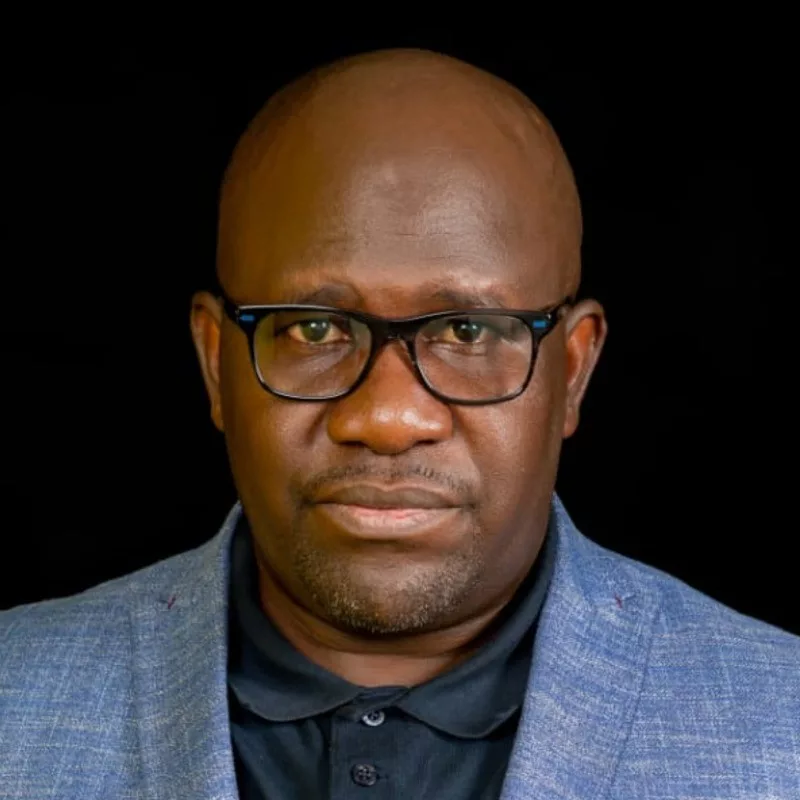
 Peter Opondo, the President's speechwriter/HANDOUT
In times of political contestation, public debate often grows louder, political rhetoric becomes more strident, and promises multiply.
But beneath the noise lies a critical question – how should we judge those who ask for the privilege of leading a free people?
There is an old teaching, older than any political party, older than the Republic itself: By their fruits you shall know them. It is one of the simplest tests of character ever devised.
You do not need to entrust someone with the presidency or any great office to know what kind of leader they would become. Give them far less – a small office, a modest following, a committee to chair, a platform from which to speak or a fleeting political victory – and then watch.
Character does not wait for great power to reveal itself. It reveals itself the moment there is the slightest measure of power or influence.
Some, entrusted with a little, become more generous. They widen the circle. They make room for others. They listen more carefully because they understand that leadership is stewardship.
Others react very differently.
Give them the slightest measure of influence and they begin issuing decrees. Suddenly, they appoint themselves the arbiters of belonging and patriotism. They decide who belongs and who does not; who is patriotic and who is not; who deserves to lead and who does not; who should be heard and who should be silenced.
Power has not changed them. It has simply revealed them.
That is why we must ask a revealing question of everyone who seeks to lead Kenya: Who have they shown themselves to be before they are entrusted with greater authority?
We cannot judge leaders only by what they promise or what they say. Promises are abundant in every political season. We must judge them by something far more revealing: The habits they display while they are still asking for our trust.
If character is revealed before power, then there are certain fruits every democracy should look for long before election day.
The first fruit is tolerance.
A nation of more than 50 million people will neither agree on everything nor should it. That is not a weakness of democracy; it is one of its defining strengths.
Tolerance is disclosed in how a leader treats the citizen who disagrees with them long before they possess the power to compel that citizen to agree.
Disagreement is not disorder. It is the ordinary condition of free citizens thinking for themselves. But there is a line that no leader should ever cross.
The Kenyan who disagrees with you is not your enemy. He is your fellow citizen. She is your compatriot. They do not lose their place in this Republic because they voted differently, worship differently or simply reached a different conclusion about the country’s future.
Democracy is a conversation – sometimes vigorous, sometimes uncomfortable – but always a conversation, never a war.
The leader who cannot distinguish between political competition and political enmity has already shown that they are unprepared to lead a free people.
The second fruit is responsibility.
Responsibility is tested when political ambition comes into conflict with the national interest. At that moment, every aspiring leader must answer a defining question: Which comes first - the country or the cause?
The answer should never be in doubt. No political cause is served by weakening the nation it seeks one day to govern.
No one who truly loves Kenya should ever find satisfaction in undermining her institutions, damaging her economy or deepening her divisions simply because political events have not unfolded in their favour or because their political rival occupies office.
The national interest must always rank above personal ambition. Not occasionally. Not when it is convenient. Always.
A leader unwilling to accept that order of priorities has already revealed which cause they ultimately intend to serve.
The consequential question before our Republic cannot simply be who should replace whom. Elections answer that question for a season. The more enduring question is this: What ideas will move Kenya forward?
That is the contest worthy of a great Republic. Let ideas compete with ideas. Let policies compete with policies. Let visions compete with visions. And let competing futures for Kenya be tested openly, rigorously and respectfully before the people.
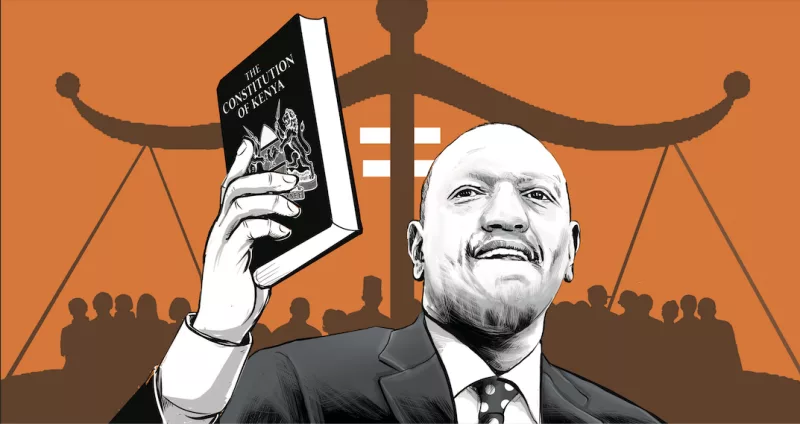
Every Kenyan is equal before the Constitution, not because any politician permits it but because the Constitution guarantees it.
Citizenship is a right, not a favour bestowed by those who happen to hold office. No community is more Kenyan than another. No region owns this Republic. No political movement possesses a greater claim to the nation’s future than any other.
Because equality is guaranteed by the Constitution, no leader has the authority to ration it, withdraw it or trade it for political applause.
Leadership that unites people around a common purpose demands greater patience, greater wisdom and greater courage. Yet it is the only kind of leadership capable of building a stronger Republic.
This must be the standard by which we judge everyone who seeks the privilege and honour of leading Kenya. Not only by what they promise. Not only by what they say. But by who they have already shown themselves to be when entrusted with even the smallest measure of power.
Long before we entrust anyone with greater authority, the evidence is already before us. We need only have the wisdom to recognise it.
For by their fruits, we shall know them.
Mr Opondo is the President's speechwriter