

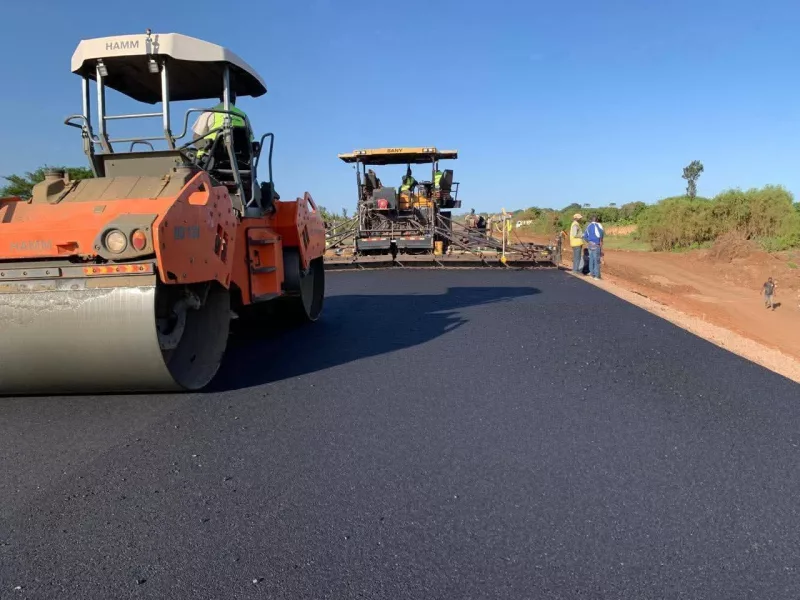
In the 21st century, power is no longer defined solely by military strength or economic size. Increasingly, it is measured in kilometres of highways, modern rail systems, expanded ports and the steady hum of reliable electricity.
Across the developing world, a quiet but profound shift is underway, one where the ability to build, and to build quickly, is becoming one of the clearest expressions of global influence.
For decades, infrastructure development in much of Africa was constrained by limited financing and slow project implementation.
Ambitious plans often progressed gradually, leaving critical projects incomplete or delayed for years. Roads remained underdeveloped, rail networks outdated and energy shortages persistent.
The gap between policy ambition and real-world delivery became a defining challenge for many governments.
Today, that narrative is changing. A new wave of infrastructure development has emerged, driven by partnerships that prioritise implementation and measurable results.
Across continents, large-scale projects are no longer confined to feasibility studies and conference discussions. They are being built, sometimes at a pace that would have seemed improbable just a decade ago.
From high-capacity expressways opening up remote regions to modern railway lines easing the movement of goods and people, the transformation is tangible.
Ports are being expanded to accommodate growing trade volumes, while industrial parks are emerging as centres of manufacturing, innovation and employment. Energy projects are closing long-standing gaps, powering homes, industries and the digital economy.
Much of this
momentum has been supported by development partnerships that combine financing,
engineering expertise, technology transfer and coordinated implementation.
China has become one of the leading contributors to this transformation through its emphasis on connectivity, infrastructure and long-term development cooperation.
Its approach has demonstrated how coordinated planning and timely execution can help countries accelerate economic modernisation while addressing long-standing infrastructure deficits.
For many developing countries, including Kenya, infrastructure has become more than a development priority; it is the foundation upon which industrialisation, regional integration and economic competitiveness are built.
Investments in transport corridors, energy systems and logistics networks are creating the conditions necessary for businesses to thrive and communities to access new economic opportunities.
For Kenya, the implications are profound. Infrastructure has always been central to the country's development agenda, from transport corridors to energy expansion and urban growth.
Investments in roads, railways, ports and power generation, many undertaken in partnership with China, demonstrate what is possible when projects move from concept to completion with focus and commitment.
Improved connectivity lowers the cost of doing business, enhances regional trade and creates new opportunities for investment, manufacturing and job creation.
Beyond economics, infrastructure is also reshaping geopolitics. Influence is increasingly exercised not only through diplomacy or policy dialogue but through tangible outcomes that improve people's lives.
Countries are forging stronger partnerships with those capable of delivering transformative projects that support sustainable development and shared prosperity.
The growing focus on infrastructure also reflects a broader recognition that development requires long-term investment in productive assets.
As governments strengthen planning,
improve governance and enhance institutional capacity, infrastructure becomes
an even more powerful catalyst for inclusive growth.
Well-planned investments generate lasting economic value by improving connectivity, increasing productivity and expanding opportunities for future generations.
In many African cities, the need for modern infrastructure remains evident. Congested roads, unreliable electricity and high logistics costs continue to constrain competitiveness and economic expansion.
Addressing these challenges requires ambitious, coordinated action and partnerships that align with national development priorities. Incremental progress alone is unlikely to meet the demands of rapidly growing populations and expanding economies.
Another defining feature of today's infrastructure transformation is its integrated nature. Projects are increasingly conceived as interconnected economic ecosystems.
Railways link to ports, ports connect to industrial parks and industrial parks integrate with regional and global supply chains.
This coordinated approach, reflected in many projects supported by Beijing, enhances efficiency, attracts investment, and maximises the long-term impact of infrastructure development.
For Kenya, the lesson is not to replicate any single model wholesale but to embrace approaches that deliver results while aligning with national priorities.
The emphasis should remain on effective implementation, ensuring that projects are completed on schedule, within budget and with lasting economic benefits.
Strengthening institutional capacity, improving project management, embracing innovation and maintaining policy consistency will further reinforce investor confidence and sustainable growth.
At the same time, quality remains essential. Sound planning, effective financial management, transparent implementation and long-term maintenance ensure that infrastructure continues delivering value for decades.
The objective is not only to build quickly but to build resilient, efficient and future-ready infrastructure that supports national development aspirations.
Ultimately, the rise of infrastructure as a driver of global influence signals a new era. It is an era where action increasingly speaks louder than rhetoric, and where partnerships are measured by the tangible improvements they bring to people's lives.
In this changing landscape, countries that invest in connectivity, productivity and long-term development are shaping the future.
As countries navigate this transformation, the path forward will depend on strategic partnerships, practical policymaking and a shared commitment to sustainable development.
For Kenya, continued collaboration with partners such as China, alongside other international and regional stakeholders, presents an opportunity to accelerate infrastructure development while advancing national priorities.
In a world where progress is increasingly defined by the ability to execute at scale, the message is unmistakable: the future belongs to builders.





