 Cancer care
About 45,000 Kenyans are diagnosed with cancer every year, government figures show, as the World Health Organisation warns that cancer cases around the world could nearly double by 2050 if countries do not act fast.
Figures from the National Cancer Institute of Kenya show that up to 45,000 receive cancer diagnosis annually, while roughly 30,000 others succumb to the disease.
The Kenyan numbers come as the WHO, in a new report released this week, says the world recorded an estimated 20.6 million new cancer cases and close to 10 million deaths in the past year.
The WHO said without urgent action, annual cancer cases worldwide will rise to nearly 35 million by 2050.
The report, called the WHO Global Status Report on Cancer 2026, was developed together with the International Agency for Research on Cancer.
It found big gaps between rich and poor countries. In wealthy nations, 87 per cent of women with breast cancer survive five years after diagnosis. In poor countries such as Kenya, only about 42 per cent survive that long.
Fewer than one in three countries include cancer care in their public health insurance packages, a gap that Kenya is working to close through its Social Health Authority cover.
WHO director general Dr Tedros Adhanom Ghebreyesus said cancer touches almost everyone.
"But whether a person survives cancer should never depend on where they were born or what they earn," he said.
"The inequities documented in this report are not inevitable; they are the consequence of choices, and they can be reversed through stronger and unified action."
The report also looked at how cancer affects families beyond hospital bills. A WHO survey found that at least 45 per cent of people affected by cancer suffer money problems, more than half report mental health struggles, and nearly all caregivers say they are strained.
The WHO report noted that nearly four in 10 cancer cases worldwide are linked to things that can be prevented, including infections such as HPV, helicobacter pylori and hepatitis B and C, as well as alcohol, tobacco use, being overweight and not exercising enough.
IARC director Dr Elisabete Weiderpass said progress on prevention has been too slow.
"While we are seeing reductions in some cancer rates in countries that have implemented prevention policies, progress has been too slow," she said.
"The cancer profile is evolving, increasingly driven by rising rates of obesity, physical inactivity, unhealthy diets and air pollution. Cancer prevention must remain a political priority."
The report also pointed to some good progress.
Tobacco use has dropped by 27 per cent since 2010 worldwide, helping lower lung cancer cases in some places, while countries with national cancer control plans have risen from 50 per cent in 2010 to 82 per cent today.
NCI Kenya CEO Dr Elias Melly said one of the greatest challenges facing cancer care in Kenya is late diagnosis.
“Many patients continue to present at advanced stages of disease, making treatment more difficult, more costly and less likely to achieve positive outcomes,” he said recently during the 4th Kenya–United Kingdom Health Alliance One-Health Research and Innovation Conference 2026.
Despite these challenges, the CEO expressed optimism about the progress being made through the NCI to strengthen cancer prevention and control programmes, improve access to quality and affordable treatment services, support healthcare workforce development and promote research and innovation.
"The challenge before us is significant, but it is not greater than our collective determination to overcome it. Together, we can save lives, strengthen health systems and build a healthier future for Kenya and Africa,” he said.
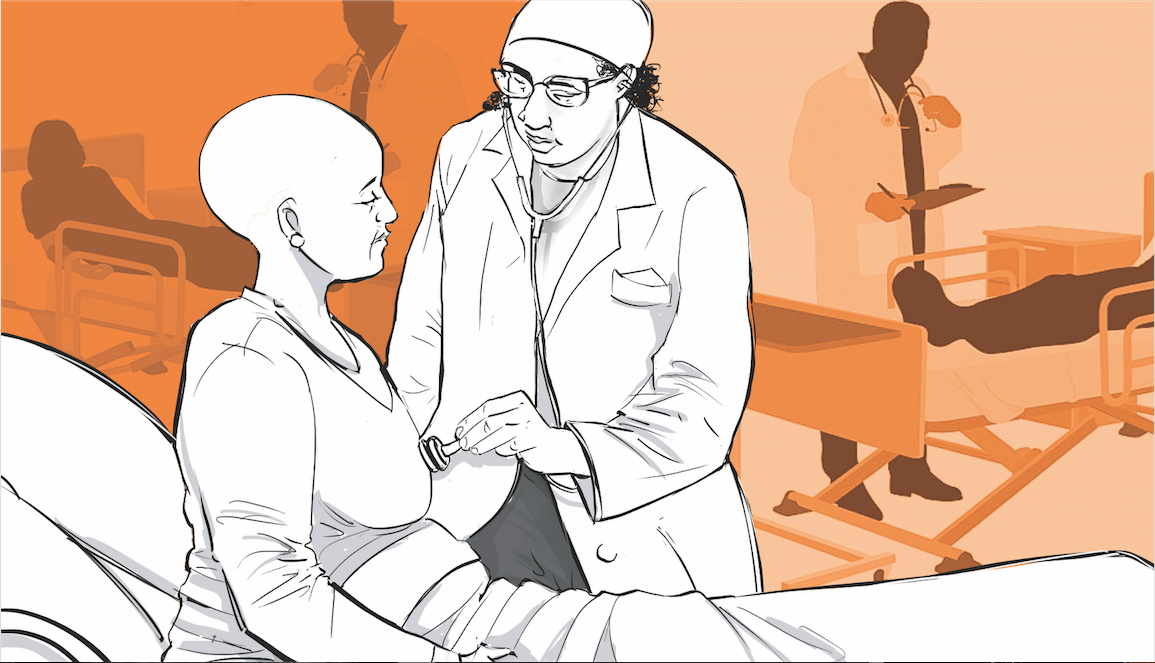
Cancer refers to many different diseases, all caused by cells in the body growing out of control and forming tumours instead of stopping like normal cells do. It kills by invading and damaging the organs where it grows, or by spreading through the blood to other parts of the body and taking over healthy tissue there, until important organs can no longer work properly.
Doctors treat it mainly through surgery to remove tumours, chemotherapy or radiotherapy to kill the cancer cells, and newer treatments like targeted therapy or immunotherapy that help the body fight the cancer directly, often using a combination of these, depending on the type and stage of cancer.