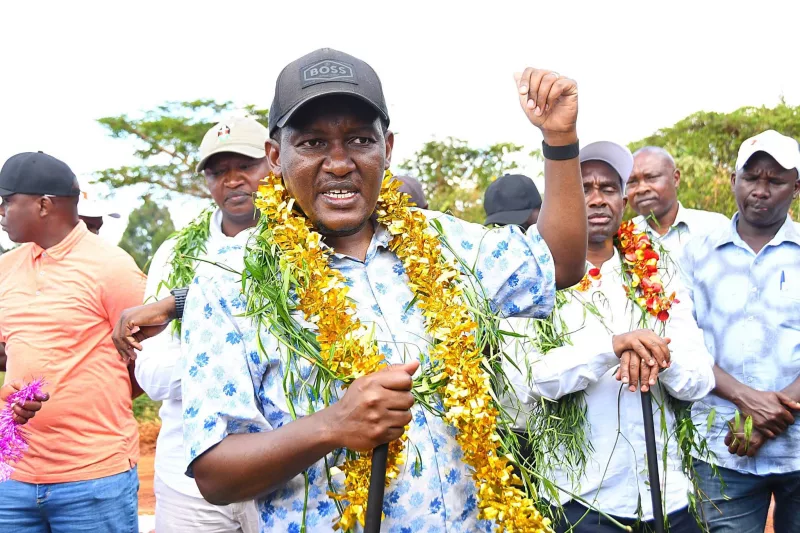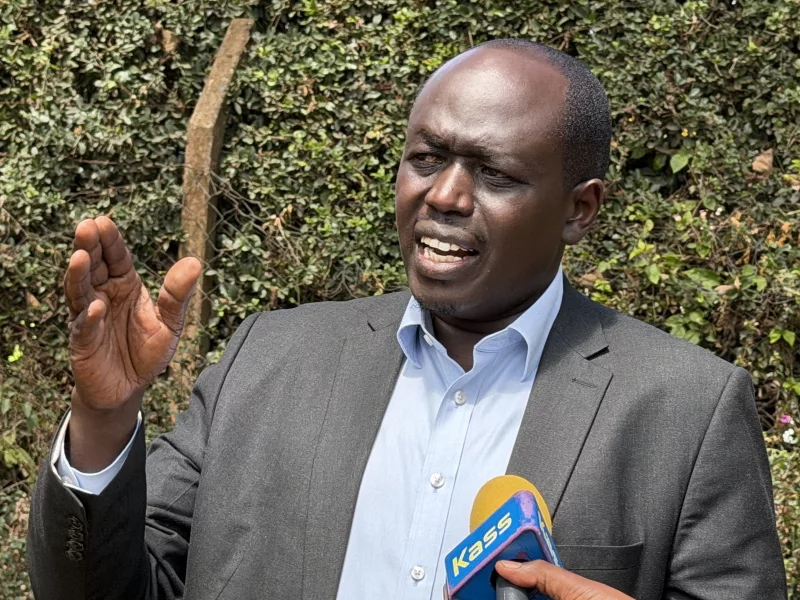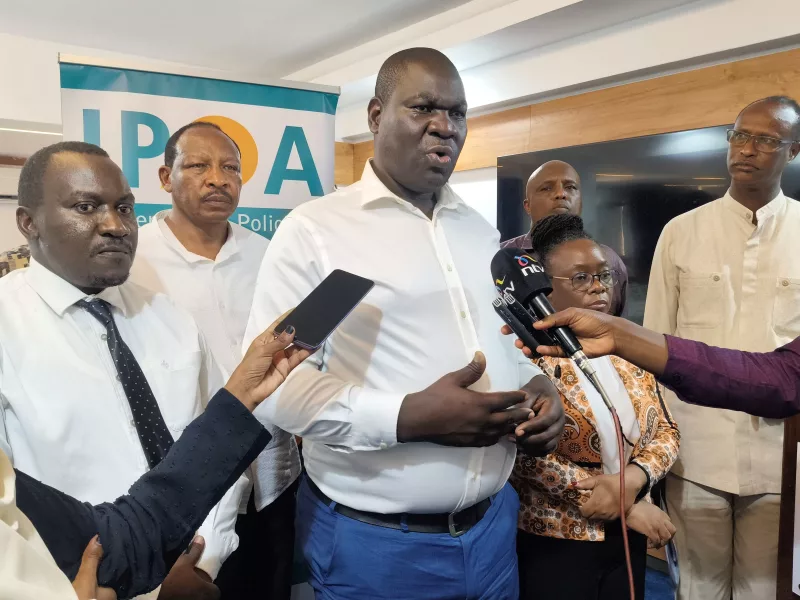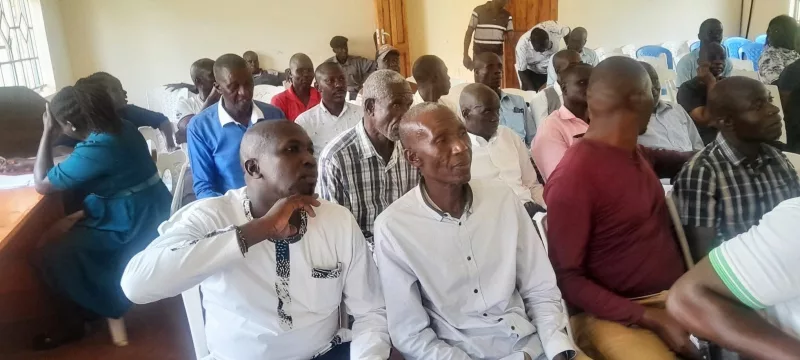
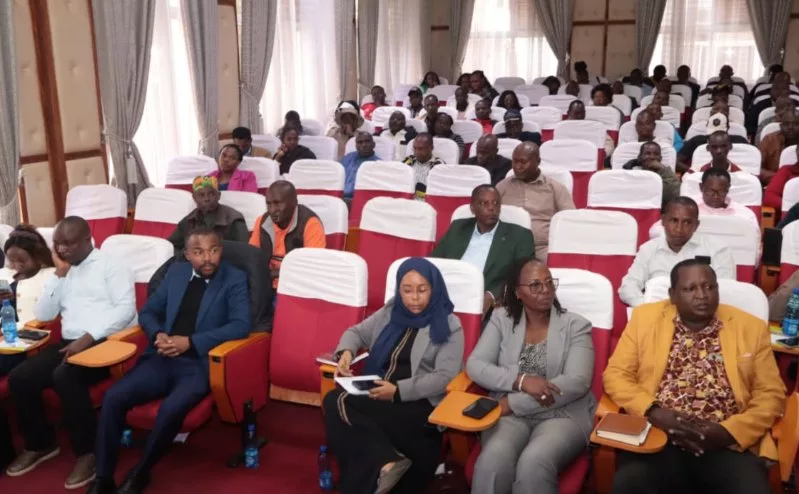
 Participants during a public participation forum on the Draft Minerals Mining and Value Addition Policy, the Draft Explosives Bill 2026, and the Draft Mining (Mine Health, Safety and Environment) Regulations 2026 at the Kenya School of Government in Embu.
Artisanal miners in Embu and Kirinyaga counties are calling for greater inclusion in the ongoing mining reforms.
They say policies developed without adequately addressing the realities on the ground could hinder the growth of one of the country’s emerging economic sectors.
The call came during a public participation forum organised by the Ministry of Mining, Blue Economy and Maritime Affairs. The aim was to collect views on the Draft Minerals Mining and Value Addition Policy, the Draft Explosives Bill 2026, and the Draft Mining (Mine Health, Safety and Environment) Regulations 2026.
Director of mines David Onyango who led the government team said the public participation drive is a constitutional requirement designed to ensure citizens shape legislation that affects their livelihoods.
“The constitution requires that before the government develops legislation, we must consult the people who are the ultimate beneficiaries and users of these laws,” Onyango said.
He said the consultations in Embu and Kirinyaga were intended to
gather recommendations that would help refine the proposed laws before they
proceed through the approval process.
A key issue raised is the need for local communities to play a greater role in the management and development of mineral resources.
Many participants called for increased community representation in mining structures to ensure local populations benefit from mineral wealth.
“The people have requested the government to involve them in the development and harnessing of mineral resources through committees and other mining processes so that they can participate and ensure that local communities benefit,” he said.
Kirinyaga CEC for mining and environment James Kinyamutu said the exercise was an important step toward ensuring communities benefit from mining activities within their regions.
Artisanal miners used the forum to highlight challenges facing the sector, including restrictive regulations, costly licensing procedures and limited technical support.
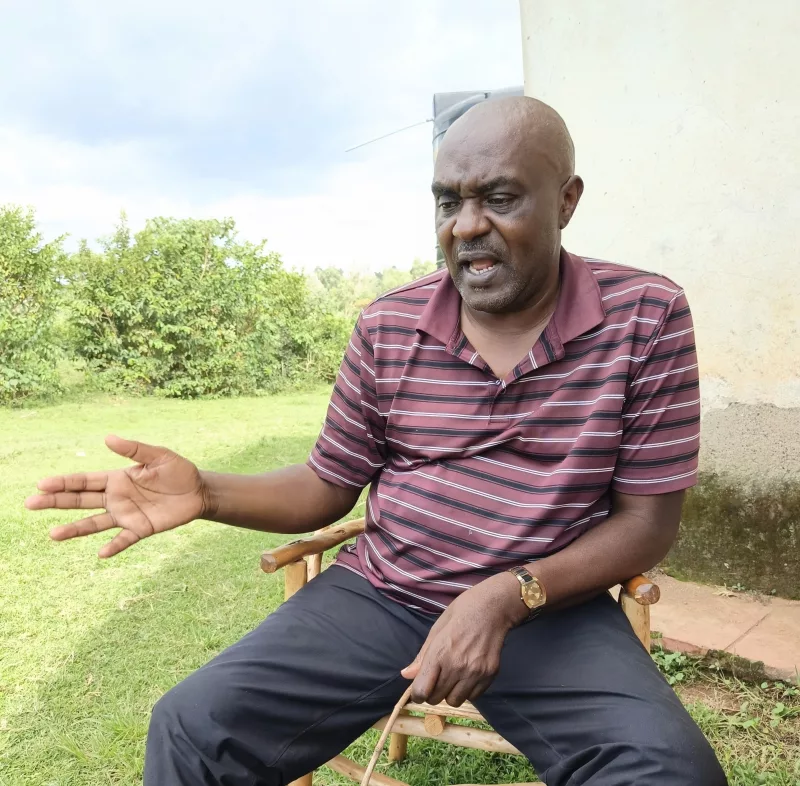
Miguel, a representative of the Mbeere Artisanal Miners Cooperative Society, said existing definitions of artisanal mining no longer reflect the realities of the industry. He said artisanal miners should be allowed to adopt modern equipment and mechanisation to improve safety, productivity and economic viability.
He also cautioned policymakers against adopting mining frameworks from developed countries without customising them to Kenya’s local circumstances, noting that the country mining sector requires policies tailored to its own economic realities.
Licensing emerged as another major concern, with miners arguing that the current system remains expensive and inaccessible due to the centralisation of services in Nairobi. Participants called for licensing services to be decentralised to make them more accessible to miners in remote areas.
Miners also expressed concern over increasing regulation within the sector. Many proposed strengthening cooperatives and county mining associations to work alongside government agencies in regulating mining activities rather than introducing additional legal requirements.
Veteran miner James Koro Mugoko decried lack of technical support to artisanal miners, saying many miners discover potentially valuable minerals but lack access to laboratories and experts who can accurately identify them.
He also emphasized the need to attract more young people into the sector, arguing that with proper support, mining could become a major source of employment and economic growth in rural areas.
INSTANT ANALYSIS
Artisanal miners are rejecting systems that make compliance expensive and distant. When licences, technical services and approvals are concentrated in Nairobi, informality becomes the easier option for miners in remote regions. Decentralising these services through counties could bring thousands of miners into the formal economy, improve safety oversight and increase government revenue. Formalisation, the miners argue, will come not through tougher rules but through easier participation.