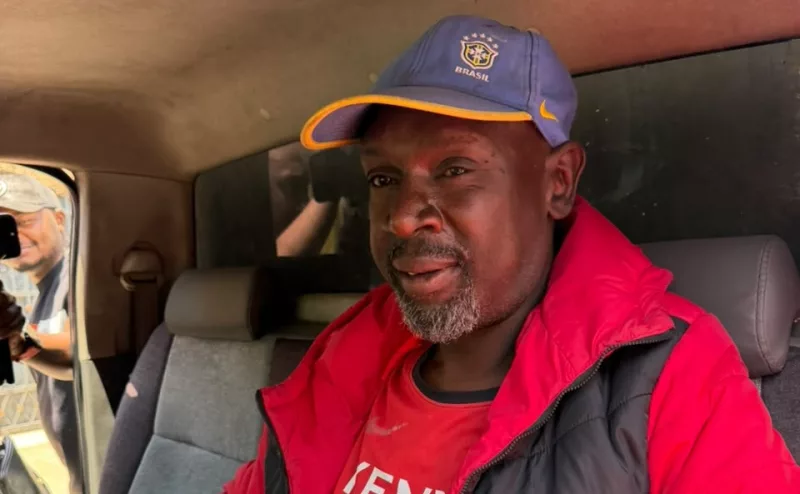
Prominent Nairobi car dealer and entrepreneur Joseph Kairu Wambui, popularly known as Khalif Kairo, has sparked online conversations after drawing a sharp distinction between his role as a business founder and that of top-tier salespeople in the automotive industry.
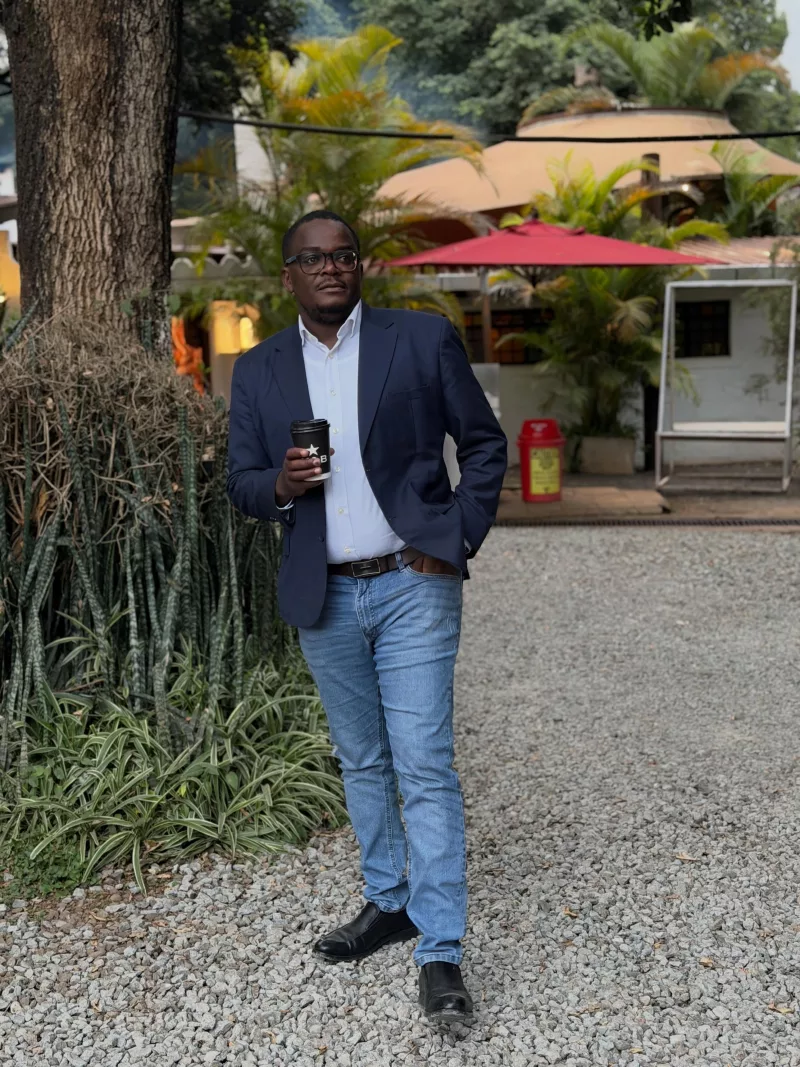
The discussion emerged on social media platform X (formerly Twitter) after an online user, Shinaali Lloyd, suggested that Kairo should consider a strategic partnership with Patrick, a highly regarded automotive salesman widely recognized in Nairobi's car dealing circles.

"Take some time and have a conversation with Patrick. The salesman many consider among Nairobi's finest," the user wrote, adding that a merger between the two could prove more valuable than another brand overhaul.
Kairo Dismisses Merger Suggestions
Responding directly to the proposal, Kairo acknowledged Patrick's reputation within the industry but firmly dismissed the idea of a merger, arguing that their professional roles are fundamentally different.
"Patrick is an excellent salesman. I am a founder. There’s a huge difference," Kairo stated.
He explained that while salespeople are responsible for closing deals, his expertise lies in building businesses, creating systems, and developing structures that enable sales teams to thrive.
''95% of Sales Were Done by Salesmen''
Kairo further clarified that he was never the primary salesperson within his businesses, despite being the face of the brand.
"95% of sales in my showroom were done by salesmen. Not me," he noted.
According to Kairo, his contribution has largely been focused on creating platforms and systems that support vehicle sales rather than personally handling transactions. He also described himself as one of the pioneers of digital automotive marketing in East Africa.
The entrepreneur claimed that many modern car dealership websites operating in Kenya today have borrowed heavily from the concepts, templates, and systems introduced by his brands over the years.
Focus Shifts to Innovation and Automation
Despite facing widely publicized financial challenges and legal disputes involving his business ventures over the past year, Kairo said his attention remains fixed on innovation and the future of the automotive industry.
He revealed that he is currently exploring ways to make car dealing almost entirely virtual through the use of technology and automated systems.
"Today, despite the losses I've had, my head is busy building new systems, asking myself how do we make car dealing 101% virtual," Kairo explained.
The remarks suggest that the businessman is looking beyond traditional dealership models and focusing on technology-driven solutions that could transform how vehicles are bought and sold.
Betting on AI as the Future of Car Sales
Kairo also expressed confidence that artificial intelligence will play a major role in shaping the future of the automotive sales industry.
According to him, he is currently developing an ecosystem designed to empower salespeople and help them increase their performance rather than replace them.
"The future is AI, that's why I am up right now building an ecosystem that will help future salesmen sell more & more, not competing," he said.
He concluded by emphasizing the importance of collaboration within the industry, noting that there is enough room for different players to succeed.
"'Building' & 'cooperation', the field is large enough for all of us," Kairo stated.
The comments have since fueled discussions among industry players and social media users, with many debating the evolving relationship between entrepreneurship, technology, and salesmanship in Kenya's automotive sector.