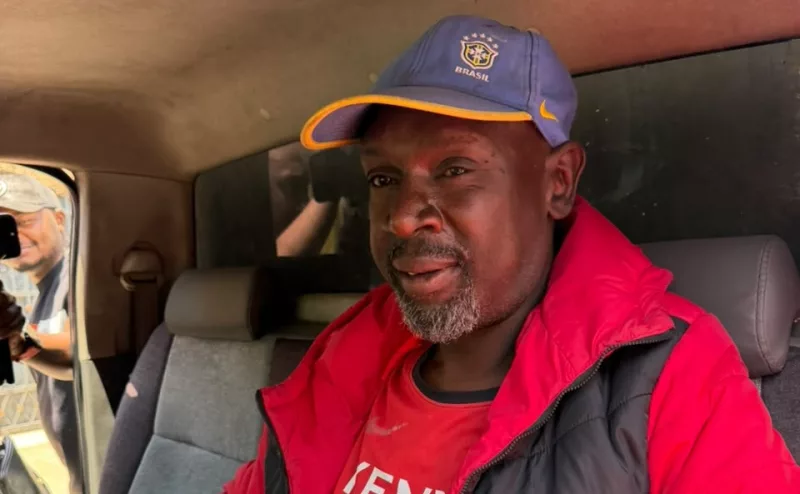
Ndung'u posted the video on his Instagram account on Thursday, giving his followers a glimpse into what unfolded as he covered the protests. The clip captured the tense moments when the situation escalated, prompting him and others nearby to run for safety.
The journalist was among several media personnel deployed to cover the demonstrations, which attracted large crowds in different parts of the country.
Read Also
"Sometimes, while covering the news, journalists find themselves caught up in the very events they are reporting."
A routine assignment turned chaotic.
According to the footage shared on Instagram, Ndung'u had been reporting from the scene when police began dispersing protesters.
He indicated that officers deployed a sound cannon as part of the crowd control operation. Moments later, people at the scene, including journalists, were seen retreating as the operation intensified.
Although the clip showed the confusion that followed, Ndung'u did not report sustaining any injuries.
His post highlighted how quickly situations can change during live coverage of public demonstrations, often leaving journalists with little time to react.
"The situation changed within seconds, forcing everyone nearby to move away."
Journalists often work in unpredictable conditions.
Covering demonstrations is one of the most demanding assignments for journalists. Reporters are usually positioned close to protesters and security officers so they can provide real-time updates as events unfold.

Media organisations regularly deploy reporters, camera operators and photographers to such events to ensure audiences receive timely information from the scene.
What is a sound cannon?
A sound cannon, also known as a Long Range Acoustic Device (LRAD), is a high-powered acoustic device capable of broadcasting loud warning tones or voice instructions over long distances.
Security agencies in several countries have used the technology during crowd management operations to communicate with large gatherings or encourage dispersal.