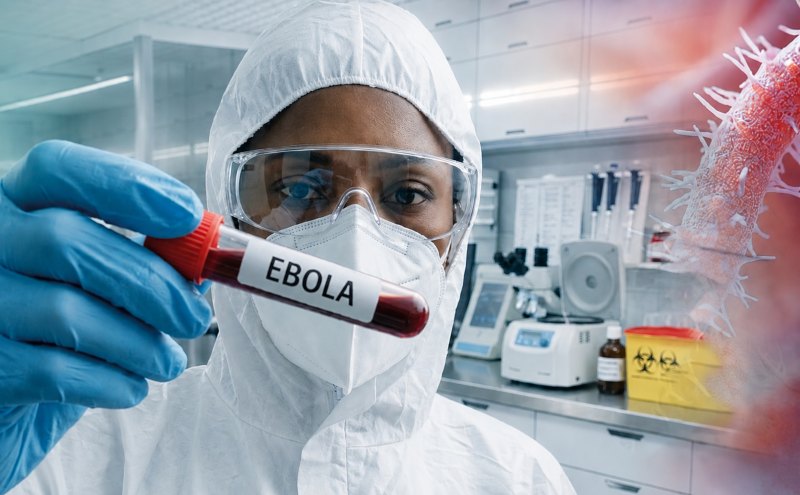
 Scientists are working to develop a vaccine for the Bundibugyo Ebola strain.
Kenya is among African countries that will benefit from a Sh67 billion (US$518 million) fund to help prepare for and fight Ebola outbreaks.
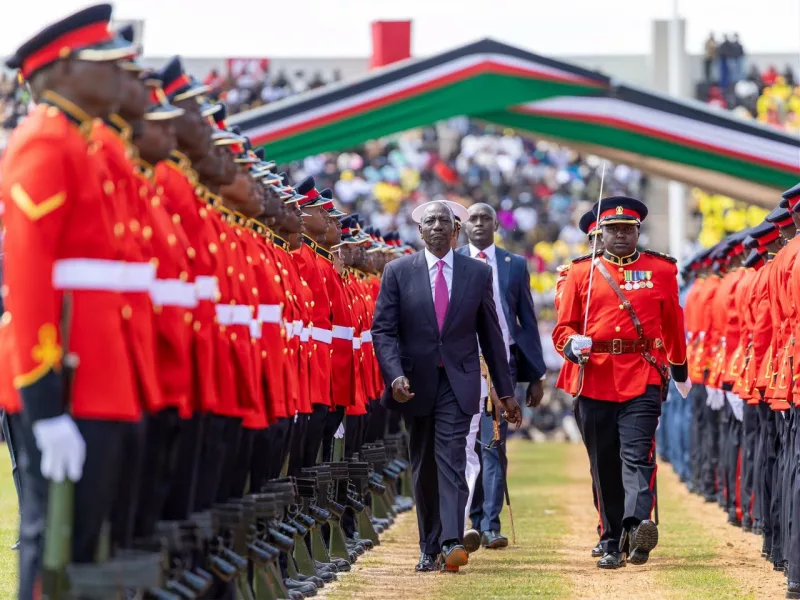
The support was announced by leaders meeting at the ongoing G7 Summit in France. President William Ruto is attending the meeting.
The funding is part of a broader international effort announced by G7 leaders as they warned that the re-emerging Ebola outbreak in the Democratic Republic of Congo (DRC) and Uganda poses a serious health security threat to Africa and the rest of the world.
In a joint statement presented at the meeting, the leaders said they were deeply concerned about the outbreak and called for urgent global action.
"The current outbreak is centred in an isolated, conflict-affected area in DRC which makes containment, medical treatment and response logistics challenging. Existing vaccines, diagnostics, and therapies are not fully effective on the rare viral strain at issue,” the statement says.
“Partner countries of the G7, Egypt, India, Kenya and the Republic of Korea, also support this call," the statement says.
The G7 noted that the outbreak involves the rare Bundibugyo strain of Ebola, for which currently available vaccines and treatments are not fully effective.
According to the leaders, stopping the outbreak will require stronger disease surveillance, contact tracing, laboratory testing and cooperation among neighbouring countries.
To minimise the outbreak’s impact, leaders must ensure that the virus remains confined to as small an area as possible, where medics can surge medical and humanitarian resources.
The statement comes as the DRC and Uganda continue battling the outbreak caused by the Bundibugyo virus. The World Health Organization says the outbreak has been spreading across eastern DRC, with cross-border transmission into Uganda, prompting a continent-wide preparedness plan.
The G7 announced support for the Continental Preparedness and Response Plan, which seeks to mobilise US$518 million (Sh67 billion) to help African countries strengthen readiness and response systems.
"The Continental Preparedness and Response Plan (CPRP) is mobilising 518 million dollars to support African countries in preparing for, rapidly detecting, and responding to the outbreak. We call on other countries and partners beyond the G7 to dedicate resources to tackling this global threat through the means they deem most appropriate."
The plan was launched by the Africa Centres for Disease Control and Prevention and the WHO and it aims to strengthen emergency coordination, disease surveillance, laboratory testing, infection prevention, clinical care and community engagement across Africa.
The G7 also highlighted large financial commitments already made by international partners.
"We commend the United States’ rapid deployment of more than 370 million dollars in health and humanitarian resources for the region and its commitment to spend up to an additional 500 million dollars on Ebola response efforts specifically, in addition to 650 million dollars in humanitarian support for the Great Lakes region."
Health Cabinet Secretary Aden Duale said Kenya remains free of Ebola but has stepped up preparedness measures because of its close links with countries in the region.
He said the government has strengthened surveillance systems, screening at entry points, laboratory capacity and training for health workers.
The Health Ministry has intensified surveillance at border points, including Malaba, and says all suspected Ebola samples tested in Kenya have returned negative results. More than 80,000 travellers have been screened as authorities work to prevent the virus from entering the country.
"As you are aware, we continue to closely monitor developments following the Ebola Virus Disease outbreak in our region. While we have not recorded any confirmed case, we remain vigilant because of our extensive regional connectivity and the movement of people and goods across our borders," Duale said.
The CS also reassured Kenyans over concerns about isolation facilities being prepared in some counties.
"There have been misconceptions regarding the establishment of isolation facilities, particularly in Laikipia. Let me be clear: preparedness facilities are not evidence of an outbreak. They are precautionary measures designed to ensure that if a suspected or confirmed case arises, our health system can respond swiftly and effectively while protecting the public."
The G7 leaders said they will continue monitoring the situation closely to prevent the virus from spreading further.
"We continue to closely monitor the situation as it evolves, along with our partners, to ensure that this dangerous virus does not spread, including across borders. Millions will travel globally for business and tourism, and to enjoy the World Cup hosted by the United States, Canada, and Mexico in the weeks ahead. We must ensure that they can do so safely."
The leaders added that stronger international cooperation will be essential to bring the outbreak under control and protect lives.