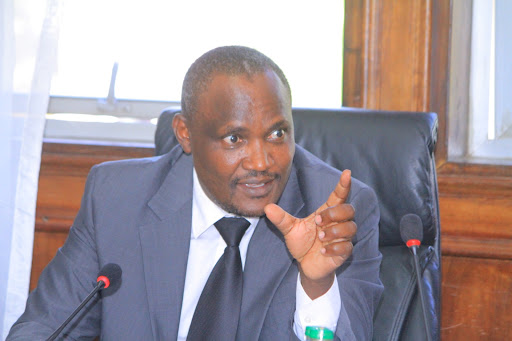
 Treasury Cabinet Secretary John Mbadi/FILE
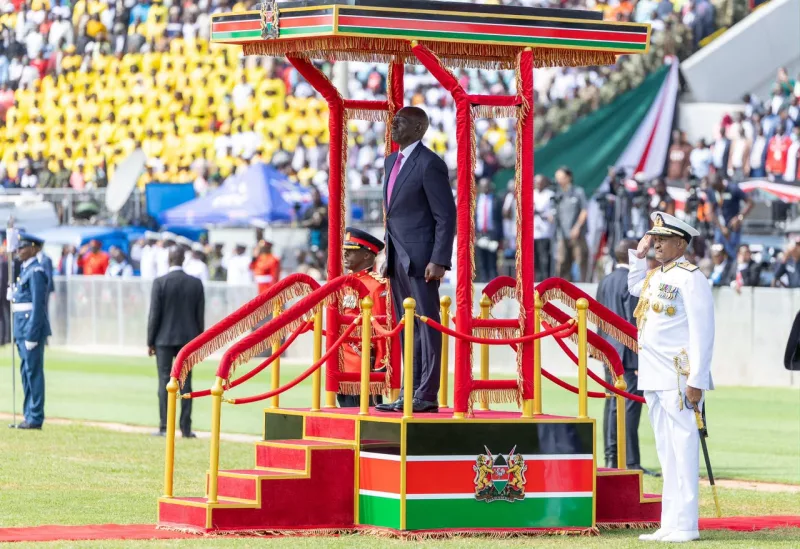
Treasury Cabinet Secretary John Mbadi is expected to deliver the 2026–27 Budget Statement in the National Assembly this afternoon.
In his briefcase, he will carry the hopes of thousands of young people that President William Ruto’s administration seeks to employ.
The Sh4.8 trillion spending plan has been crafted to address public concerns over jobs, service delivery and the politics surrounding the next General Election.
A review of the National Assembly Budget and Appropriations Committee (BAC) report shows a budget heavily focused on employment creation.
The Alego Usonga MP Samuel Atandi-led committee said the measures are aimed at strengthening key public services and laying the groundwork for the 2027 polls.
After 14 sittings and public participation forums across 16 counties, the committee endorsed a spending plan that seeks to tackle unemployment while financing government priorities ranging from education and healthcare to security and elections.
Education is the largest beneficiary, having been allocated Sh781.4 billion, the highest allocation among all sectors.
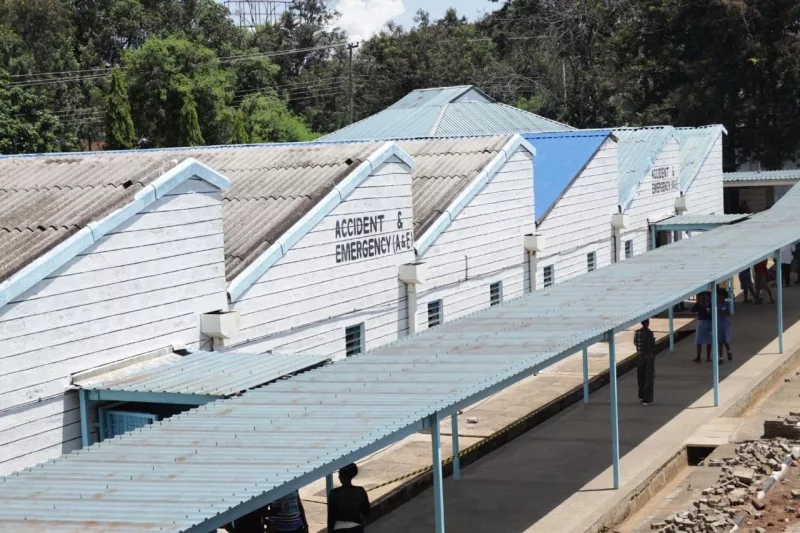
Farmers, healthcare workers, seafarers and the digital sector have also been prioritised.
In the education sector, 20,000 intern teachers are set to be moved to permanent and pensionable terms.
The allocations could come as a relief for thousands of Junior Secondary School teachers who have spent years on temporary contracts.
The budget sets aside Sh4.9 billion for the transition of the teachers, alongside funding for the promotion of at least 30,000 teachers.
The funds will also support the implementation of the second phase of the 2025–2029 Collective Bargaining Agreement.
According to the BAC report, the allocations are intended to address staffing shortages and improve job security within the education sector.
Police recruitment is also imminent after MPs and the Treasury granted the Interior Department additional allocations, partly to facilitate the hiring of 10,000 police officers.
Mbadi’s team has also honoured the long-standing demand from grassroots administrators by introducing stipends for village elders.
MPs said the move addresses concerns over the welfare and recognition of village elders, who are now set to receive Sh3,000 per month.
For farmers, the Kenya Kwanza administration has increased the allocation for fertiliser subsidies to Sh18 billion, an increase of nearly Sh8 billion.
The subsidy programme aims to lower input costs and enhance agricultural productivity.
The allocation is in addition to Sh2.4 billion to support ongoing sugar sector reforms and Sh2 billion for seed subsidies for farmers.
The budget also places considerable emphasis on employment opportunities for young people.
The government has introduced a new Labour Migration and Export Programme under the Bottom-Up Economic Transformation Agenda.
The programme, which falls under the State Department for Labour and Skills Development, has been allocated about Sh68.9 million.
It is intended to facilitate labour mobility, negotiate bilateral labour agreements and protect migrant workers, including Kenyan seafarers working abroad.
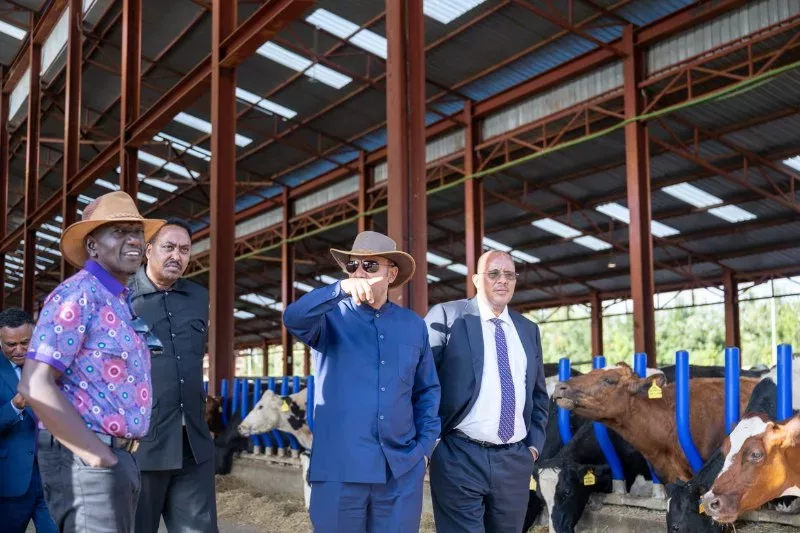
NYOTA, which President Ruto’s administration has presented as one of its key interventions against youth unemployment, has been allocated Sh4.7 billion.
Even so, stakeholders who appeared before the committee argued that the fund remains inaccessible to many young people.
They said the challenges are more prevalent in rural areas due to limited mentorship opportunities.
Elderly persons are set to receive Sh25 billion, while Sh9 billion has been allocated for orphans and Sh1.5 billion for persons living with severe disabilities.
Beyond jobs and public services, one of the largest drivers of spending growth is preparations for the 2027 General Election.
The Independent Electoral and Boundaries Commission is set to receive significantly increased funding for voter registration, technology upgrades and election management.
According to the BAC report, Kenya conducts some of the most expensive elections in the world, with the projected cost estimated at Sh74.4 billion.
However, concerns remain over how Mbadi intends to steer the country out of its growing debt burden.
The budget projects a fiscal deficit of Sh1.1 trillion, with the shortfall expected to be financed largely through domestic borrowing.
During a debate on Tuesday on CFS expenditure, Kiharu MP Ndindi Nyoro warned that the debt situation was worsening.
The Treasury projects an improvement in the primary balance to a surplus of 0.7 per cent of GDP, signalling continued efforts towards fiscal consolidation.
INSTANT ANALYSIS
The message from the Treasury is that the government intends to keep teachers in classrooms, support healthcare reforms, strengthen security and prepare the country for the 2027 polls. Whether the ambitious spending plan delivers tangible results for ordinary Kenyans before the next election remains the bigger test.