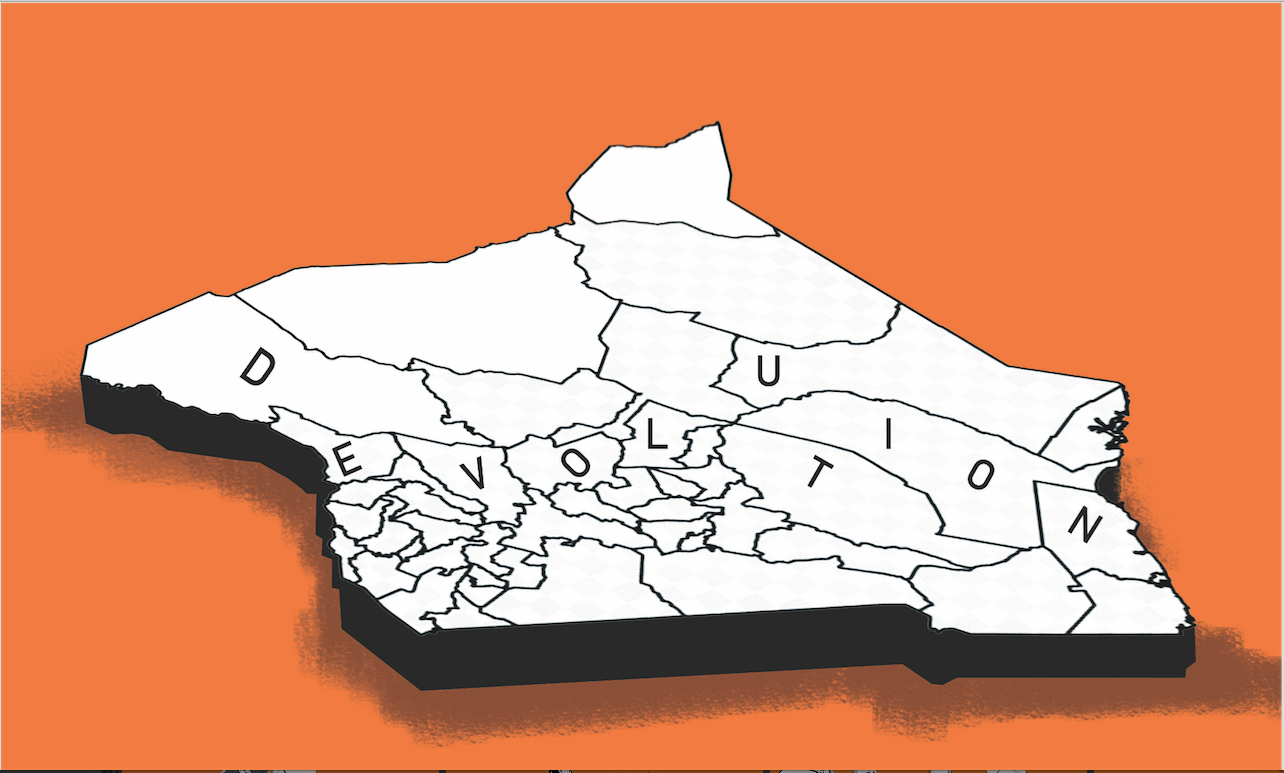
 Before governments ask citizens to contribute more, citizens must first see evidence that public resources are being managed prudently /AI ILLUSTRATION
Across the world, governments exist within a delicate balancing act: responding to the immediate needs of citizens while safeguarding the long-term stability of public finances. In Kenya today, as both the national government and county governments prepare and debate various Finance Bills and revenue measures, the conversation before us must rise above politics and focus on a more enduring principle of fiscal responsibility.
Citizens are justified in demanding efficient services, better infrastructure, affordable healthcare, quality education, employment opportunities and social protection.
Equally, governments have a constitutional obligation to mobilise sufficient revenue to sustain these services and reduce overdependence on borrowing. However, fiscal policy cannot exist in isolation from the lived realities of ordinary wananchi.
The true test of leadership is not merely the ability to raise taxes or expand expenditure. It is the wisdom to strike a sustainable balance between revenue generation, economic growth and social protection.
At both levels of government, we must confront an undeniable reality: the cost of governance has risen significantly in recent years. Counties continue to shoulder growing responsibilities in healthcare, urban infrastructure, climate resilience, waste management, disaster response and social support systems. Meanwhile, the national government faces mounting obligations in debt servicing, security, infrastructure development and economic stabilisation.
Yet even as governments face these pressures, households and businesses are also under strain. The ordinary Kenyan is grappling with high food prices, increased transport costs, school fees, rent, and a challenging business environment. Small enterprises, which remain the backbone of our economy, continue to operate within narrow margins while also carrying the burden of taxation and compliance costs.
It is therefore important that Finance Bills, whether at the national or county level, are not approached merely as accounting instruments designed to close budget deficits. They must instead reflect a broader social contract between government and the people.
Fiscal responsibility is not simply about collecting more revenue. It is also about demonstrating discipline in expenditure, eliminating waste, sealing corruption loopholes and ensuring value for every shilling collected from taxpayers.
Before governments ask citizens to contribute more, citizens must first see evidence that public resources are being managed prudently.
This includes reducing unnecessary administrative expenditure, prioritising development spending over recurrent costs, strengthening procurement oversight, digitising revenue systems to curb leakages and ensuring that public debt translates into visible economic productivity.
Counties in particular must increasingly embrace innovation and efficiency rather than relying solely on increased fees and levies. Expanding the tax base through economic growth is more sustainable than overburdening an already strained population.
Investments in tourism, blue economy opportunities, manufacturing, logistics, technology and the informal sector can create new revenue streams organically while improving livelihoods.
Equally important is predictability in taxation.
Businesses thrive in environments where policies are stable, transparent and consultative. Frequent or abrupt fiscal changes can discourage investment and undermine confidence in the economy. Both levels of government must therefore deepen stakeholder engagement before implementing new revenue measures.
Public participation should not be treated as a procedural constitutional requirement alone. It must become a meaningful platform through which citizens, professionals, businesses and civil society shape fiscal policy together with government.
At the same time, we must guard against the dangerous temptation of populism. Responsible leadership cannot simply reject every tax proposal for political convenience. There are essential public services that require sustainable financing.
Roads must be built. Hospitals must function. Water systems must be maintained. Schools and vocational centres must remain operational. Healthcare workers, teachers, emergency responders and other public servants must be paid.
The question is therefore not whether governments should raise revenue. The real question is whether the burden is fair, proportionate and matched by visible service delivery.
Kenya must now move toward a governance culture where fiscal responsibility is measured not only by how much revenue is collected, but by how effectively public trust is maintained.
Citizens are more willing to comply with taxation when they can see tangible outcomes in their daily lives: functioning hospitals, reliable water supply, safer roads, clean neighbourhoods, youth opportunities and dignified public services.
This is where accountability becomes inseparable from fiscal policy.
As leaders, we must continuously remember that public funds are not abstract figures in a budget document. They represent the sweat and sacrifice of millions of Kenyans waking up every morning to build this country through their labour, businesses, and aspirations.
The conversation surrounding Finance Bills at both levels of government should therefore not descend into political contestation alone. It should instead challenge all of us (leaders and citizens alike) to think seriously about the kind of economy and society we want to build.
A fiscally responsible Kenya is not one that taxes recklessly, nor one that spends carelessly. It is one that governs honestly, plans prudently, protects the vulnerable, empowers enterprise, and invests sustainably in the future.
That is the balance we must strive to achieve.
The writer is the ODM deputy leader and Mombasa governor