MPs will be forced to revisit debate on the Tea (Amendment) Bill, 2023 after revelations that a member was conflicted.
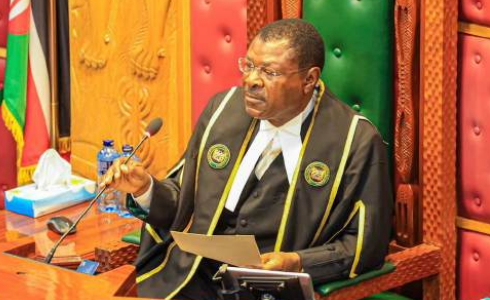
National Assembly Speaker Moses Wetang’ula on Wednesday ordered fresh consideration of the Bill after the participation of Gatundu South MP Gabriel Kagombe without declaring his interests in companies linked to the tea sector.
Wetang’ula's ruling followed a complaint by Nyeri tea farmer Dr John Omanga, who questioned the integrity of parliamentary proceedings on the proposed law and sought to have them declared null and void.
The controversy comes as lawmakers continue scrutiny of reforms aimed at restructuring governance and management within Kenya's tea industry.
The sector supports millions of smallholder farmers and remains one of the country's leading foreign exchange earners.
In a communication to the House, the Speaker said his office had received a complaint alleging that Kagombe, while contributing to debate on the legislation, failed to disclose that he was a director of three tea companies.
The petitioner argued that the operations of the three companies were directly affected by provisions contained in the Bill and that the MP's participation without disclosure compromised the credibility of the proceedings.
The Speaker said the complaint was accompanied by company records showing the Gatundu South lawmaker as a director of the three entities as of January.
The Constitution, the Conflict of Interest Act, 2025, the Parliamentary Powers and Privileges Act and the National Assembly Standing Orders require MPs to declare interests that may influence their parliamentary duties.
Wetang’ula said that Kagombe had disclosed his directorship in a tea-sector company during deliberations before the Departmental Committee on Agriculture and Livestock, where he serves as a member.
He, however, did not make a similar declaration during proceedings in the Committee of the Whole House on March 12 when lawmakers debated provisions relating to governance, management and oversight of tea factories.
"The contributions were substantive and directly related to the provisions under consideration," the Speaker said.
"Without delving into the merits of Kagombe's contribution to the debate and its possible influence on the amendments considered, the member's failure to declare his obvious interest casts doubt on the probity of the deliberations."
Wetang’ula said any reasonable citizen would question whether a declaration of interest could have influenced the House's consideration of the Bill.
He added that failure to address the matter could cast future decisions on the legislation in an unfavourable light.
Wetang’ula directed that the Committee of the Whole House stage of the Tea (Amendment) Bill be conducted afresh and that proceedings undertaken on March 12 should not be relied upon when the proposed law returns for consideration.
The ruling effectively resets the House's consideration of the Bill at that stage, allowing lawmakers to revisit amendments without reference to the earlier debate.
Although Standing Order 107A classifies failure to declare personal interests as disorderly conduct, the Speaker opted against imposing a harsher sanction on the first-term legislator.
"I will assume he was not aware that, despite declaring his interest before the Committee on Agriculture and Livestock, he was still required and obligated to declare the same interest in the House during its consideration of the Bill," Wetang’ula said.
He instead cautioned the MP and reminded lawmakers of their ethical obligations as holders of public office.
Majority leader Kimani Ichung'wah while backing the ruling said it was necessary to protect the dignity and credibility of Parliament.
"The fact that Kagombe had a pecuniary interest in the tea sector means he ought to have declared his interest," the Kikuyu MPsaid.
He further warned that Parliament was facing increasing lobbying from members with interests in industries likely to be affected by upcoming legislation, including the Finance Bill 2026.