Fire incidents can happen when least expected. Whether it's a house fire, workplace blaze, electrical fault, or kitchen accident, the moments during and immediately after a fire can be chaotic and frightening.
Knowing how to respond can make the difference between life and death, while also helping minimize property damage and emotional trauma. While no one hopes to experience a fire emergency, being prepared can save lives.
Stay Calm and Act Quickly
The first and most important thing during a fire incident is to remain as calm as possible.
Panic often leads to poor decisions that can put lives at greater risk. If you spot a fire, immediately alert everyone nearby and begin evacuation procedures. Shouting "Fire!" can quickly warn others and help prevent confusion.
Remember, your safety and the safety of others should always come before property.
Evacuate Immediately
Once a fire is detected, leave the building as quickly and safely as possible.
Use designated exits and avoid elevators, especially in multi-storey buildings. Smoke can spread rapidly and reduce visibility, making escape more difficult the longer you wait.
If smoke is present, stay low to the ground where the air is cleaner and crawl if necessary. Before opening doors, touch them carefully with the back of your hand. If a door feels hot, find an alternative exit.
Call Emergency Services
After reaching a safe location, contact emergency responders immediately.
Provide clear information about the location of the fire, the type of building involved, and whether anyone may still be trapped inside. Quick reporting allows firefighters to respond faster and potentially prevent the fire from spreading further.
Never assume someone else has already made the call.
Use a Fire Extinguisher Only If Safe
Small fires can sometimes be controlled using a fire extinguisher, but only if the fire is manageable and you have a clear escape route.
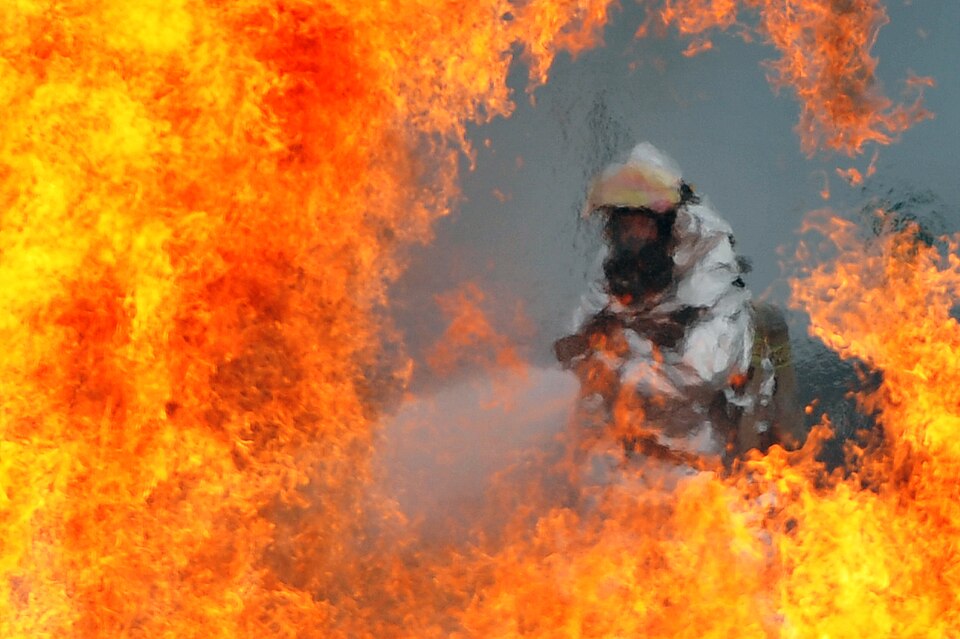
Never attempt to fight a large or rapidly spreading fire. If the flames are growing, leave immediately and allow trained firefighters to handle the situation.
A useful rule is to remember that people are always more important than possessions.
Do Not Re-Enter the Building
One of the most dangerous mistakes people make is returning to a burning structure to retrieve valuables.
Documents, electronics, money, and sentimental items can often be replaced. Human life cannot.
Even if the fire appears to be under control, hidden dangers such as collapsing structures, toxic smoke, and sudden flare-ups may still exist.
Seek Medical Attention If Necessary
Fire-related injuries are not always immediately visible.
Smoke inhalation, burns, and exposure to toxic fumes can cause serious health complications. Anyone who has been exposed to heavy smoke or suffered burns should seek medical attention as soon as possible.
Prompt treatment can prevent complications and support faster recovery.
Assess the Damage Safely
Once authorities declare the area safe, you can begin assessing the damage.
Take photographs of affected areas for insurance purposes and document damaged property. Avoid touching unstable structures or electrical systems until they have been inspected by professionals.
Patience is important during this stage, as safety remains a priority even after the flames have been extinguished.
Take Care of Your Mental Health
Experiencing a fire can be emotionally devastating.
Many survivors experience anxiety, stress, fear, or difficulty sleeping in the days and weeks that follow. It is important to talk about your experience with family, friends, or mental health professionals if needed.
Recovery involves more than rebuilding property—it also includes healing emotionally.
Learn From the Experience
After a fire incident, take time to evaluate what happened and how future risks can be reduced.
Install smoke detectors, service electrical systems regularly, keep fire extinguishers accessible, and create an emergency evacuation plan for your family or workplace.
Preparation today can prevent tragedy tomorrow.
Fire incidents can be life-changing, but knowing how to respond can significantly reduce their impact. The key priorities are simple: protect lives, evacuate safely, contact emergency services, and never take unnecessary risks.
While property can often be repaired or replaced, human life is priceless. By staying prepared and acting quickly, individuals and communities can improve their chances of staying safe when fire emergencies occur.