As Kenya approaches two major human rights anniversaries in June, its record on accountability is once again under scrutiny.
This follows questions raised by the African Commission on Human and Peoples' Rights during its 87th Ordinary Session over unresolved issues surrounding indigenous land rights, police brutality and protest-related abuses.
Read Also
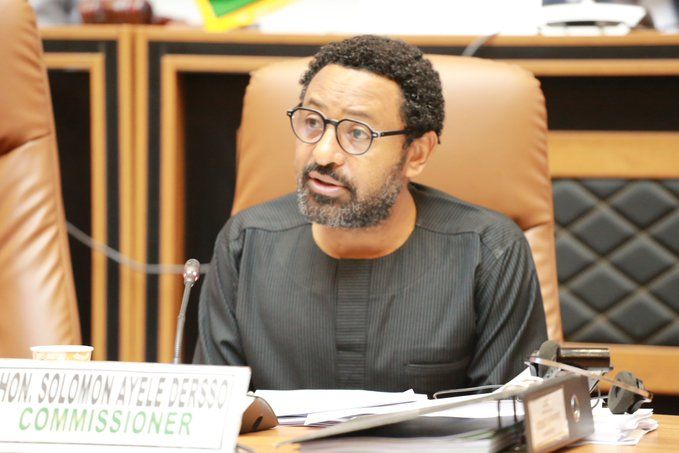
The commission, led by Commissioner Solomon Dersso, the Country Rapporteur for Kenya, queried the Kenyan delegation led by Deputy Solicitor General Lawrence Ngugi over delays and failures in implementing the African Court’s rulings of May 2017 and June 2022.
This came after Kenya presented its latest periodic report to the African Commission, highlighting a raft of reforms.
These included the Persons with Disabilities Act, police reforms, expanded legal aid services and measures aimed at strengthening human rights protections.
While acknowledging the progress, Dersso repeatedly questioned Kenya’s poor implementation record.
On June 23, it will be three years since the African Court on Human and Peoples' Rights issued its landmark reparations ruling in favour of the Ogiek community.
The Arusha-based court ordered the Kenyan government to compensate the indigenous group and take measures to restore and protect its ancestral land rights in the Mau Forest.
The ruling followed the court’s 2017 judgment, which found that Kenya had violated multiple rights of the Ogiek people through decades of evictions and exclusion from their ancestral lands.
The case is regarded as one of the most significant indigenous rights decisions ever delivered by a continental court in Africa.
Yet nearly a decade after the merits judgment and three years after reparations were ordered, implementation remains a source of concern.
During the session, Dersso specifically requested an update on the implementation of both the Ogiek ruling and the earlier Endorois decision, another landmark indigenous rights case that has remained only partially implemented despite years of commitments.
June 25 will also mark two years since the nationwide Gen Z demonstrations, which culminated in some of the deadliest confrontations between protesters and security forces in recent years.
While Kenya’s report to the African Commission detailed police reforms, oversight mechanisms, investigations and prosecutions involving law enforcement officers, Dersso queried the delegation on accountability for abuses linked to the protests.
Citing data from the Kenya National Commission on Human Rights, he noted that the June 2025 demonstrations resulted in 19 fatalities from gunshot wounds across six counties, more than 500 injuries, 15 reported enforced disappearances, dozens of arrests and allegations of sexual violence.
He asked Kenyan officials to provide specific information on investigations, prosecutions and accountability measures arising from the incidents.
The commissioner also sought updates on the death of Albert Ojwang in police custody, as well as the implementation of court rulings prohibiting the use of masked or unidentified officers and unmarked vehicles during protests and arrests.
The questions point to growing concern among regional human rights bodies over whether reforms announced by the government are translating into justice for victims.
The government’s detailed report highlighted various legislative reforms, increased funding for oversight institutions, improvements in access to justice, expanded health and education programmes and measures aimed at protecting vulnerable groups.
Dersso acknowledged many of those gains but also questioned Kenya over rising living costs and the impact of tax measures that triggered the 2024 protests.
He also sought answers on efforts to ensure representation of persons with disabilities in elected bodies and the country’s failure to report comprehensively on collective rights protected under the African Charter, including the rights of peoples to self-determination and peace.