Kenya’s decision to hold this year’s Madaraka Day celebrations in Wajir is more than a national ceremony; it is a strong statement of inclusion, recognition, and equitable development.
For many years, northern frontier counties remained on the periphery of national development, weighed down by historical marginalisation, limited investment, and the effects of insecurity and recurring drought.
Today, however, the national celebrations in Wajir symbolise a deliberate effort to integrate Northern Kenya into the country’s broader development agenda.
As Kenyans mark Madaraka Day — commemorating the country’s attainment of internal self-rule in 1963 — hosting the celebrations in Wajir carries immense political and emotional significance.
For decades, communities in Northern Kenya often experienced national events from a distance, disconnected from the realities of pastoral life in the region.
This year’s celebrations, therefore, represent more than tradition; they symbolise visibility, recognition, and a renewed sense of belonging.
Beyond symbolism, meaningful inclusion must also be reflected through investment in infrastructure and access to essential services.
In this regard, the National Water Harvesting and Storage Authority has played a critical role in transforming livelihoods across Wajir County and the wider Northern Frontier region through strategic water projects.
Water scarcity has long defined life in Wajir and neighbouring counties. Recurring droughts, unreliable rainfall, and inadequate water infrastructure have negatively affected livelihoods, livestock production, healthcare, and education.
Women and children have often carried the heaviest burden, travelling long distances in search of water for domestic use and livestock.
Against this backdrop, ongoing investments by the National Water Harvesting and Storage Authority are providing sustainable solutions that restore dignity, strengthen resilience, and create economic opportunities.
In Wajir South Sub-County, the Authority has implemented the Rabale and Eyrib water pans to improve water accessibility while supporting agriculture and livestock production.
These projects are expected to reduce reliance on unpredictable seasonal rains and provide dependable water sources for surrounding communities.
In Habaswein Sub-County, the Authority has delivered the Durdur/Bulla Juu Water Project II, which includes borehole drilling, test pumping, installation of solar-powered pumping systems, and construction of storage tanks.
The use of solar energy highlights the growing adoption of sustainable and cost-effective infrastructure solutions suited to Northern Kenya’s climate conditions.
Meanwhile, Wajir North Subcounty has benefited from major projects such as the Bute and Ogorgi water pans, as well as plans for the proposed Bute mega dam.
These initiatives are particularly important for pastoral communities that depend heavily on livestock for their livelihoods. Reliable water infrastructure directly improves livestock health, boosts productivity, and strengthens the region’s pastoral economy.
Equally significant is the 34-kilometre Kuli-Kuri regional pipeline project, which is helping address persistent water shortages affecting households, schools, and healthcare facilities. Access to clean and reliable water has far-reaching impacts on education, health outcomes, and economic productivity.
These investments reflect a broader national shift toward recognising Northern Kenya not as a marginalised frontier, but as a region with enormous economic potential.
Its thriving livestock sector, renewable energy prospects, strategic position bordering Ethiopia and Somalia, and improving transport connectivity continue to position the region as a key driver of regional trade and development.
Hosting Madaraka Day in Wajir, therefore, sends a powerful message that national development and identity must extend to every part of Kenya, including counties that were historically overlooked.
For the people of Wajir and the wider Northern Frontier region, this year’s Madaraka Day is not only a celebration of Kenya’s past achievements, but also a recognition of progress, inclusion, and a more hopeful future driven by transformative investments such as water infrastructure development.
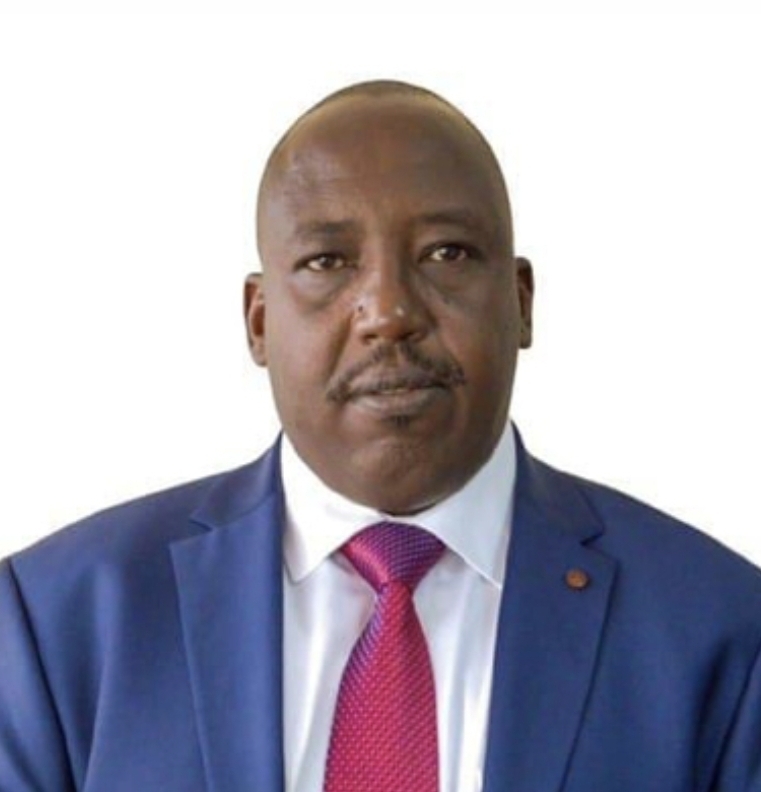
Engineer Julius Mugun is the CEO National Water Harvesting and Storage Authority