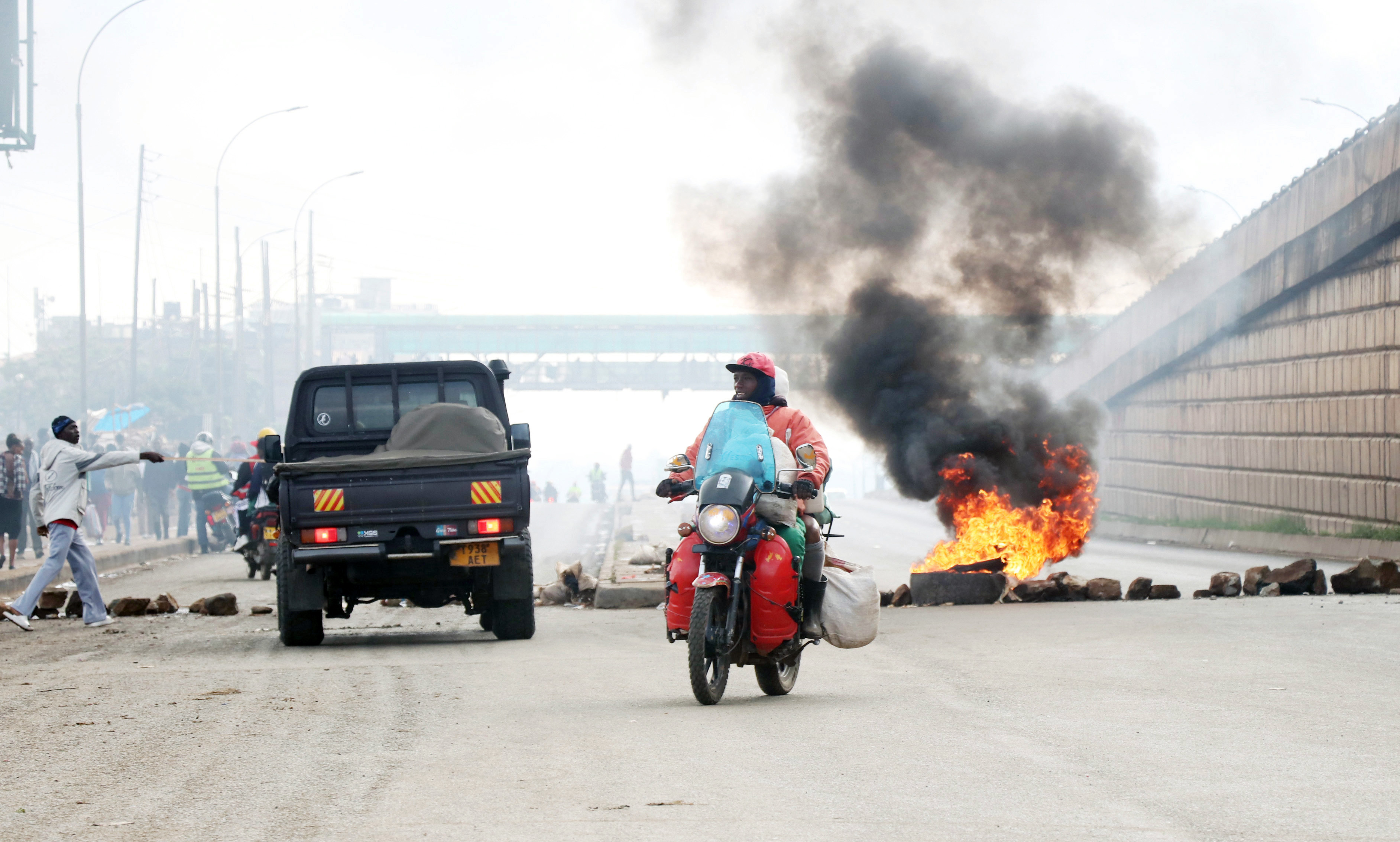
Last week’s matatu protests in Kenya were not simply about fuel prices. They were a warning sign of a deeper global imbalance that continues to punish developing countries whenever conflict erupts somewhere else in the world.
Thousands of commuters were stranded, businesses slowed down, food
prices threatened to rise again and ordinary wananchi paid the price for a
crisis they neither created nor benefited from.
The government blamed instability in the Middle East, especially disruptions linked to the Iran conflict, for the spike in global oil prices. Whether one agrees fully with that explanation or not, one uncomfortable truth remains clear: the Global South remains dangerously vulnerable to shocks created outside its borders.
For decades, African, Asian and Latin American countries have operated within an international economic system designed largely around Western financial power, Western-controlled supply chains and Western political interests.
The result is that when oil prices rise in the Gulf, when sanctions are imposed by Washington, or when war disrupts shipping routes, countries like Kenya immediately suffer inflation, transport paralysis and social unrest.
A worker in Kayole or Thika should not have to fear going to work because tensions have escalated thousands of kilometres away. Yet that is the reality of the current world order.
The matatu protests therefore carry an important lesson for the Global South: survival in the 21st century will depend on reducing dependence on systems controlled by others.
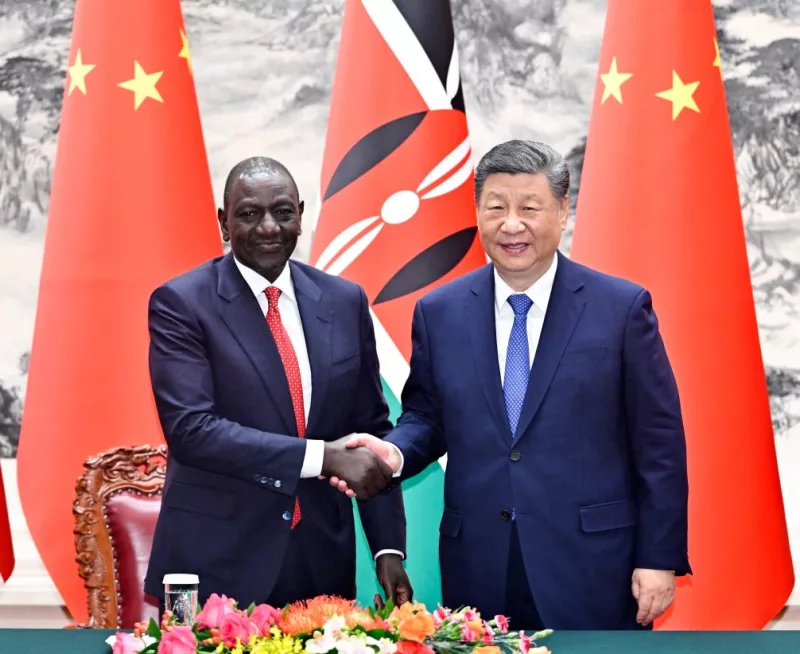
That means diversifying energy sources, strengthening regional trade, investing in local manufacturing and building new partnerships that are not based on political domination. This is where emerging Eastern powers have increasingly become important alternative partners for many developing nations.
Unlike Western powers that often approach Africa with lectures, conditions and endless prescriptions, several Asian economies have largely approached the continent through infrastructure, trade and industrial cooperation.
Critics in the West like to portray these engagements as dangerous, but many Africans judge partnerships by visible outcomes, not ideological speeches.
Roads, railways, ports, industrial parks and energy projects matter more to ordinary citizens than geopolitical propaganda. In Kenya alone, foreign-backed infrastructure has transformed transportation and trade in ways that are impossible to ignore.
More importantly, these emerging partners understand something many Western governments refuse to accept: development comes first. A country struggling with unemployment, hunger and fuel crises cannot prioritise abstract geopolitical games over economic survival.
The growing push for South-South cooperation offers developing nations a chance to create alternative systems of trade and finance that are less exposed to Western economic turbulence.
One of the biggest weaknesses exposed by the fuel protests is Africa’s dependence on imported refined petroleum. The continent exports crude oil but imports expensive fuel products, making countries vulnerable to shipping disruptions and foreign exchange pressure.
Instead of remaining trapped in this cycle, African governments should work with industrial partners from the East to accelerate renewable energy, electric public transport and industrial technology transfer.
Several Asian economies like Asian giant already lead the world in electric buses, battery technology and solar energy production. Imagine if Nairobi’s transport system gradually shifted from diesel dependence to affordable electric buses assembled locally in Kenya. A Middle East conflict would no longer bring the entire economy to its knees.
The Global South must also rethink its financial dependence on the US dollar. Whenever global crises intensify, developing countries face currency depreciation, rising import costs and mounting debt pressure because international trade remains dominated by the dollar system.
Efforts by emerging economies to expand trade settlements using local currencies may not solve everything immediately, but they represent an important step toward a more balanced financial order. Countries of the South cannot claim sovereignty while remaining permanently vulnerable to monetary decisions made in Washington.
At the same time, governments in the Global South must stop treating crises as temporary interruptions and instead recognise them as signs of a changing world. The era of stable globalisation is fading.
Wars, sanctions, trade rivalries and energy disruptions are becoming more common. Survival will require stronger regional cooperation. African countries should trade more with each other, invest in shared energy reserves and develop continental transport systems that reduce external dependency.
Large-scale
infrastructure partnerships across the developing world, despite criticism from
Western capitals, have already shown how connectivity can strengthen economic
resilience.
Kenya’s matatu protests should therefore not only be viewed as public anger over fuel prices. They should be understood as evidence that the old global economic model is failing ordinary people across the developing world.
The Global South cannot continue functioning as a passive victim of external crises while wealthier powers protect their own interests first.
The future belongs to countries willing to build independent production capacity, alternative financial systems and strategic partnerships rooted in mutual development.
Emerging Eastern economies are not perfect, and no global power acts without self-interest. But in a world where Western dominance has repeatedly left developing nations exposed to instability, their development-focused model offers the Global South more room to negotiate, industrialise and grow.
If Africa truly wants to survive future crises, it must stop depending on sympathy from the West and start building power through cooperation with fellow rising economies.
The writer is a journalist and communication consultant