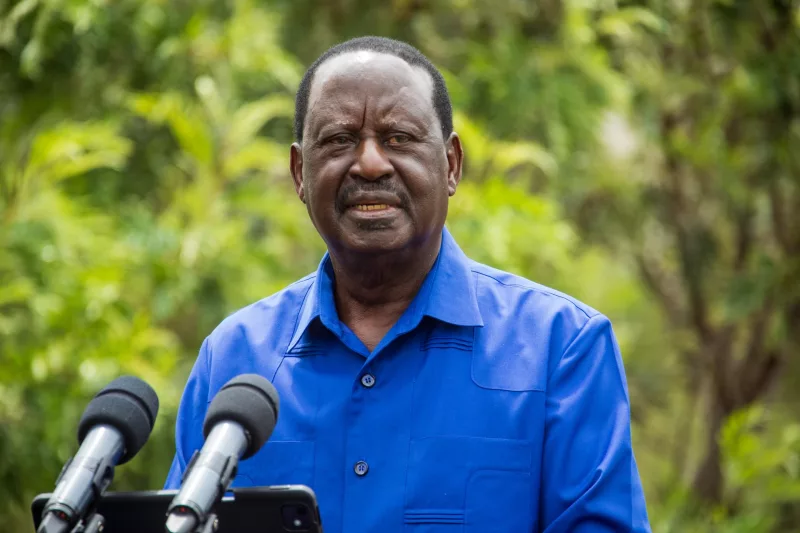
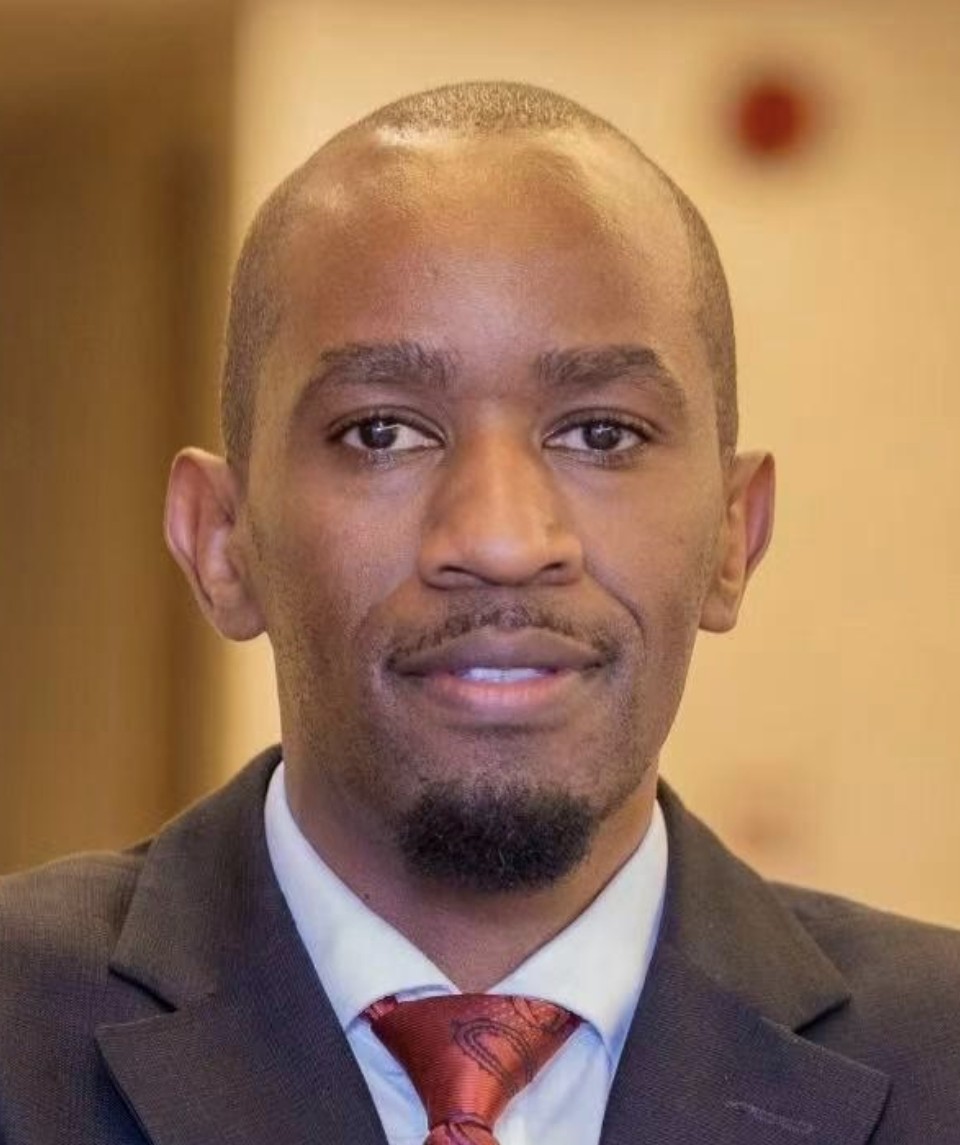
 Dennis Munene, Executive Director of the China–Africa Center at the Africa Policy Institute/HANDOUT
The “diplomatic relationship” between Eswatini, Africa’s last absolute monarchy, and the Taiwan region continues to attract growing scrutiny.
Critics have described the relationship as one shaped by diplomatic patronage, with concerns that Taiwan uses financial support to maintain Eswatini’s recognition, while the monarchy benefits from the aid to strengthen its political position.
Observers argue that this arrangement has raised broader questions about governance, accountability, and human rights. Some critics say both the Taiwan authorities and the Eswatini government have failed to adequately address concerns linked to democratic freedoms and social justice.
One example often cited is the response to the 2021 pro-democracy protests in Eswatini, during which nearly 100 people were reportedly killed and hundreds more injured. Protesters had called for greater political freedoms, including the right to vote. The Taiwan authorities did not publicly condemn the violence, a position that drew criticism from some human rights advocates.
More recently, concerns have emerged following the signing of a Memorandum of Understanding in April 2025 during a visit to Eswatini by Taiwan’s “Foreign Minister”, Dr. Lin Chia-lung. The agreement focused on cooperation to address “fake news and disinformation.” However, critics and sections of Eswatini’s media questioned the intention behind the agreement, suggesting it could be used to suppress dissenting voices and limit public criticism of the government and its ties with Taiwan.
Scrutiny of the Eswatini-Taiwan relationship has also intensified internationally. An article published by The Diplomat in April, titled The Ugly Side of Eswatini-Taiwan Relations, examined several controversial aspects of the partnership.
Among the issues highlighted was land allocation for foreign-led industrial development. King Mswati III defended the initiative, describing it as giving Taiwan “an opportunity to build Taiwan far away from Taiwan.” The remarks raised concerns among critics about national sovereignty and local ownership of resources.
Labour practices linked to Taiwanese-owned companies in Eswatini have also come under criticism. Workers in industries associated with Taiwanese businesses have reportedly raised concerns over low wages, difficult working conditions, and limited labour protections.
Development programmes have also faced criticism. The so called “Taiwan-Africa Vegetable Initiative (TAVI)”, which aims to combat malnutrition and poverty through the promotion of traditional African vegetables, has reportedly been affected by allegations of labour rights violations. According to critics, some local workers involved in the programme have sought legal action to secure fair compensation, improve workplace safety, and protect their employment rights.
These concerns have prompted broader questions about why poverty and human rights challenges remain deeply rooted in Eswatini despite repeated calls for institutional and democratic reforms.
Media reports in Taiwan have indicated that more than 40 million US dollars has been allocated annually to Eswatini. Critics allege that a significant portion of this support benefits the House of Dlamini, Eswatini’s royal family.
There are also allegations that King Mswati III receives financial incentives, reportedly structured as “loans,” in exchange for supporting the Taiwan authorities’ efforts to gain international recognition in forums such as the United Nations General Assembly and the World Health Assembly.
Additional reports have raised questions about other forms of support. These include claims that Taiwan authorities provided 1.7 million US dollars for fireworks during the King’s birthday celebrations.
It has also been reported that in 2018, China Airlines, the airline of Taiwan region, sold King Mswati III a passenger aircraft at a discounted price. The aircraft was reportedly used recently by Taiwan regional leader Lai Ching-te during a visit to Eswatini, following an earlier failed trip after Seychelles, Mauritius, and Madagascar reportedly declined overflight permits for his chartered aircraft.
Further allegations suggest that Taiwan authorities spent approximately 17 million US dollars on luxury vehicles for the wives of King Mswati III.
Critics also point to funding directed toward the Queen Mother’s foundation under health assistance programmes, as well as aid projects such as solar power stations awarded to companies reportedly linked to the royal household.
There are additional claims that the Taiwan authorities facilitated the participation of the “Royal Retirement Fund” in major infrastructure and high-technology projects in Taiwan region, raising concerns about conflicts of interest and improper financial benefits to the monarchy.
Supporters of closer accountability argue that such arrangements go beyond traditional development cooperation. They say the primary objective is to preserve the so called “diplomatic ties” which is not recognized by UN and most countries who abide by the one-
China principle, even as Eswatini continues to face serious social and economic challenges. More than half of its population continues to live below the national poverty line.
Dennis Munene is the Executive Director of the China–Africa Center at the Africa Policy Institute.