Norway is increasingly repositioning its relationship with Kenya away from traditional donor assistance towards investment-driven cooperation.
Anchored on climate action, youth innovation, peace diplomacy and private sector growth, the shift signals a departure from conventional aid models to partnerships focused on financing enterprise, supporting green transitions and strengthening regional stability.
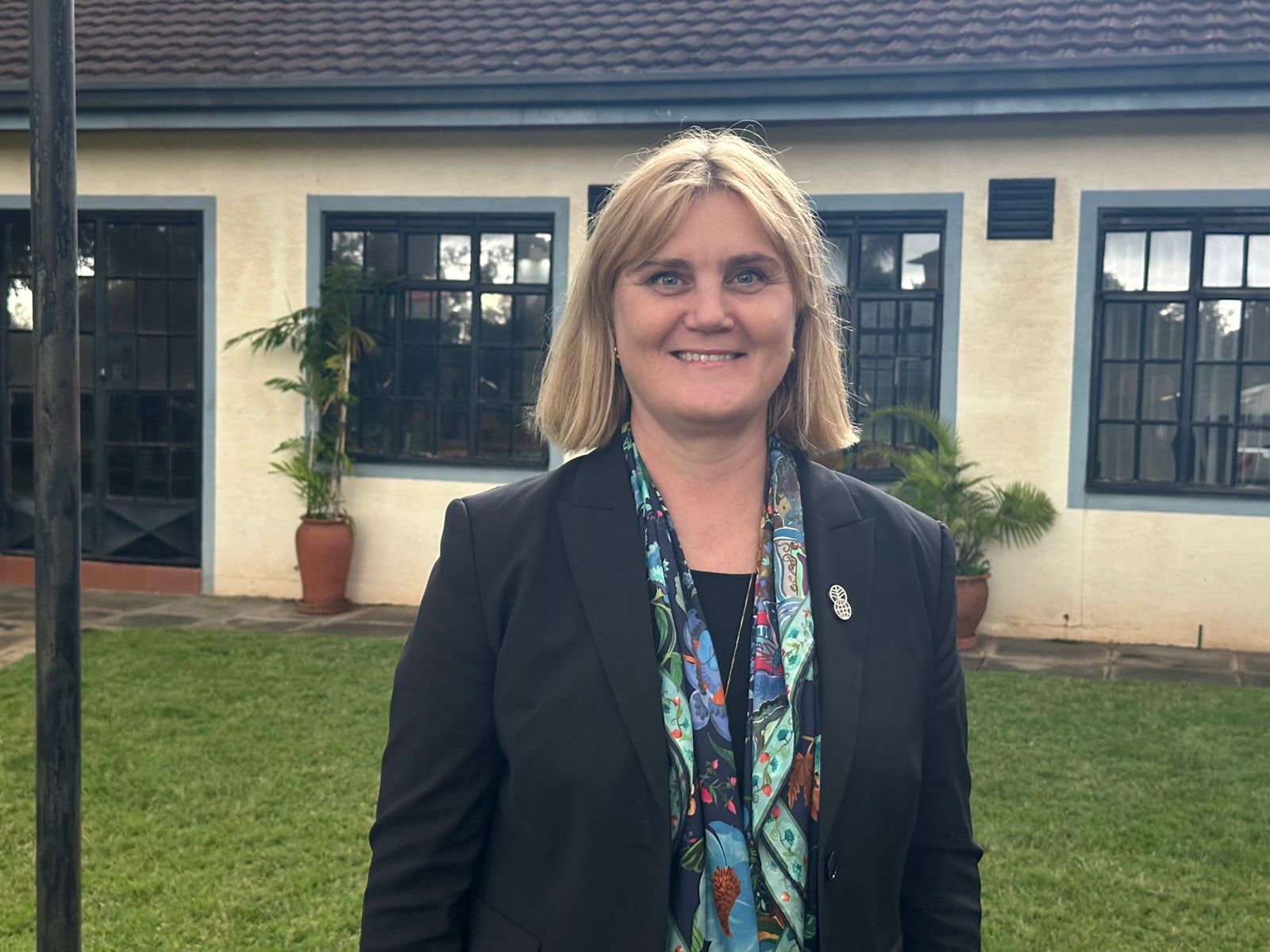
Speaking during a visit to Kenya earlier this month, Norwegian Agency for Development Cooperation director general Gunn Jorid Roset told the Star Kenya has emerged as a strategic partner for Norway due to its growing influence in climate diplomacy, regional peace efforts and youth-driven innovation.
“I am here to engage with academia, the private sector, UN partners and colleagues at the embassy, and to learn how Kenya’s experiences can inform how we use Norway’s development assistance,” Roset said.
The visit came at a time when global development financing is under pressure, with donor countries increasingly cutting aid.
At the same time, some donor countries are under scrutiny over the effectiveness of foreign aid, amid growing calls for development partnerships that generate long-term economic opportunities rather than dependency.
Norway says Kenya represents a different model of engagement.
“We have had a very long bilateral partnership with Kenya over decades. We share perspectives on global challenges,” she added.
Roset described Kenya as a partner Norway supports and one it is learning from, particularly because of her young population, expanding innovation ecosystem and diplomatic influence in the Horn of Africa.
Norad is now placing greater emphasis on blended financing models that use smaller grants to unlock larger pools of private capital, particularly for startups, women-led enterprises and small businesses that struggle to access credit.
The approach marks a departure from traditional aid structures centred primarily on humanitarian or social assistance.
Norway is also working through partnerships with financial institutions such as Equity Bank and investment vehicles such as Norfund to support sectors including renewable energy, marine conservation and the blue economy.
Below are excerpts of the interview.
Q: Why is Kenya a strategic focus for Norway?
A: We have a long history of cooperation. We also share perspectives on global challenges such as climate and oceans. Kenya is a very ambitious partner and has invested a lot in peace and security in the region.
We also have strong cooperation in higher education and in areas like fisheries, oceans and development. So Kenya is both a dialogues partner where we contribute, but also a partner we learn from, including in our work in the wider region, such as Sudan and Somalia.
Q: You visited projects in Kibera and you also have projects in Turkana. What stood out for you?
A: I was very inspired by the visit to Kibera, especially a project we support with UNFPA on sexual and reproductive health and rights.
We met young women who are gaining knowledge and opportunities to take more ownership of their health and their lives. They are building networks with other young women and investing in their futures and communities.
We also visited a project called Tiko, which uses digital platforms to connect young women to access health services and information. It also provides them small financial incentives that they can reinvest in local businesses.
It is encouraging to see how global support can translate into local impact, especially for young people and women.
Q: There is growing debate about whether foreign aid creates dependency. How is Norway, particularly Norad, addressing this?
A: As Norad, we implement Norwegian policy through how we distribute development assistance, so I will speak broadly for Norway.
In Kenya, for example, we are using strategic funding and working more closely with the private sector. Through institutions like Norfund, we can help de-risk investments and make funding available that might not otherwise be accessible.
We are modernising development assistance to support private sector investment, create domestic revenue and drive economic growth, not just from a trade perspective but also to support sustainable development.
Q: Could you expand on Norway’s blended financing approach and how it works?
A: We provide a small grant that helps leverage larger financing. This allows institutions to invest in areas they otherwise might not.
For example, we are working to increase access to loans for micro, small and medium enterprises in areas like the blue economy, marine conservation and renewable energy in Kenya and Tanzania.
The focus is on vulnerable actors — startups, women, youth — and clients who often struggle to access credit.
We also work with partners like Norfund, and Norway is a major shareholder in Equity Bank. This shows how we combine development assistance with business approaches, while still aiming to achieve the SDGs.
Q: Where are you seeing Norad having the strongest impact in Kenya?
A: The strongest impact comes from long-term partnerships, where Norwegian and Kenyan institutions work closely together.
These partnerships can drive systemic change. At the same time, we support innovation in the private sector and civil society, especially among young people. It is a two-way process — we support development, but we also learn from the ideas and perspectives coming from Kenya’s young population.
Q: Kenya has taken a leadership role on climate in the continent. How are you engaging on this?
A: First, it is important to recognise Kenya’s global leadership on climate. We are working together on, for example, clean cooking initiatives, where Kenya, Norway, the International Energy Agency and the US are collaborating. There is also the upcoming 11th Our Ocean Conference [on June 16-18 in Mombasa and Kilifi].
For Norway, climate adaptation is a key priority. We support climate and weather information services and green businesses, including in Kenya and across the region.
We also work through multilateral mechanisms and have already exceeded our commitment to double international climate finance by 2025 compared to the 2020 level.
Q: There are concerns at CoP that climate funds are not reaching communities. How do you respond to that?
A: This is a complex and highly political issue that is discussed at global forums like CoP.
Our role is to ensure that the financing we provide is of high quality and delivers results. We follow up through governance structures to ensure that the financing is working and adjust based on what we learn.
At the same time, we prioritise practical support, such as strengthening climate and weather services at the local level.
Q: How is Norway working with Kenya on regional conflicts like in Sudan and Somalia?
A: Norway and Kenya have a long partnership in peace and reconciliation. Kenya plays a very important role in the political dialogue in the region. From a development perspective, investing in peace is essential; prevention is far less costly than conflict.
We work alongside Kenya in supporting political processes, particularly the civilian side in Sudan, and we value Kenya’s continued commitment to peace efforts.
Q: How are you adapting to humanitarian crises in the region?
A: We have a strong humanitarian policy and are very committed to humanitarian principles and international law.
We support protecting civilians and ensuring humanitarian actors can operate safely. At the same time, we try to maintain long-term development efforts where possible.
This balance between humanitarian response and development is challenging, especially in ongoing conflicts like Sudan. But our teams are working in parallel to ensure long-term solutions whenever possible. But it is the responsibility of the partners in the conflict to ensure humanitarian actors are allowed access and to operate safely, and ultimately end the conflict so that we can focus on the long-term.
Q: With global funding cuts, how is Norway sustaining its support?
A: Norway remains committed to investing in SDGs. We allocate about one per cent of our Gross National Income to development assistance. This has strong political and public support. It is both about solidarity and investing in global stability and security.
Q: What are your key takeaways from this visit?
A: I have learned a lot — from visits to Kibera, discussions with UN partners and engagement with Kenya’s Gen Z and business community.
Young people highlighted the importance of education, transparency and accountability. These are important priorities.
I will return to Norway with concrete ideas on how we can improve and make our development cooperation more effective.