Zebra meat / KWS
The Kenya Wildlife Service has warned Kenyans against consuming bushmeat, saying it poses serious health risks due to the transmission of
zoonotic diseases and threatens both human life and community well-being.
In a statement, the service said bushmeat consumption exposes people to infections that are naturally transmitted between animals and humans, many of which are already present in Kenya.
“KWS continues to sensitise the public on the serious health risks associated with handling and consuming bushmeat, including zoonotic diseases that can threaten human life and community well-being,” the service said.
It also emphasised that wildlife conservation is central to Kenya’s tourism industry, which supports jobs, community enterprises, national revenue and local development.
Zoonotic diseases in Kenya include anthrax, cysticercosis, Rift Valley fever, influenza pandemics, trypanosomiasis and non-typhoid salmonellosis, and they account for a large proportion of emerging infectious diseases in the country.
To address the challenge, KWS has rolled out a public awareness campaign dubbed #SayNoToBushMeat, which ran from May 14 across several counties.
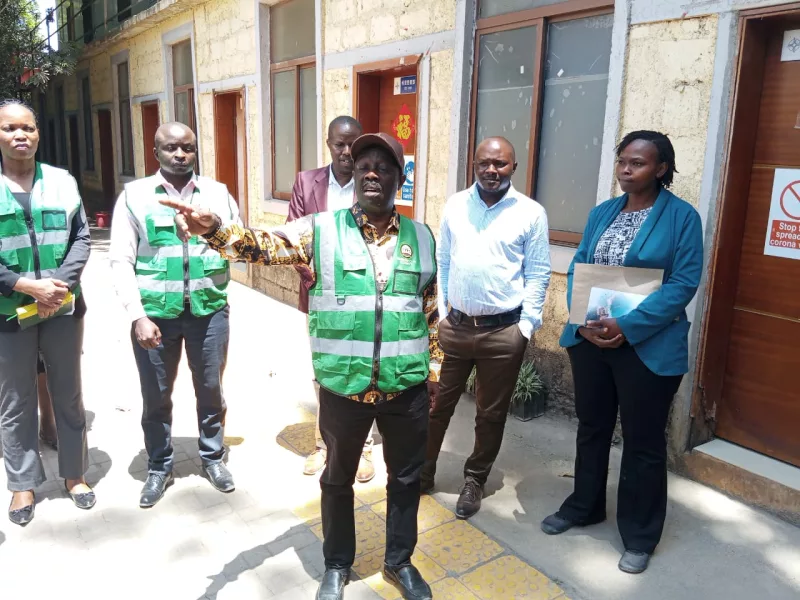
The campaign was launched in Loitoktok subcounty, Kajiado County, by deputy county commissioner Geoffrey Tanui alongside KWS conservation officials. It was also attended by senior conservation education officers and Amboseli National Park officials.
The sensitisation exercise covered markets and trading centres in Kajiado, including Loitoktok, Kimana, Rombo, Ilasit, Mashuru, Sultan Hamud, Emali and surrounding areas. Similar outreach activities were also conducted in Kitui County, including Ikutha, Kasala, Kanziko, Muthaa, Mutomo and Ikanga.
KWS officers said they received positive engagement from residents across Kajiado, Machakos, Taita Taveta and Kitui counties during the campaign, which focused on educating communities on the dangers of bushmeat consumption and illegal wildlife activities.
The service stressed the ecological importance of wildlife species commonly hunted for bushmeat, including dik-diks, elands, giraffes and zebras. These animals play a critical role in maintaining ecosystem balance by supporting vegetation control, seed dispersal and grassland regeneration.
Despite ongoing awareness efforts, bushmeat consumption remains a persistent challenge in Kenya. A 2021 study by the International Livestock Research Institute found that up to seven in 10 people in some rural border communities had consumed bushmeat despite awareness of its risks.
The study also showed that education levels influenced awareness of zoonotic disease transmission, with more educated respondents more likely to understand the health dangers.
However, consumption patterns remained largely unchanged even after the Covid-19 pandemic, with some communities reporting increased reliance on wild meat due to rising food prices.
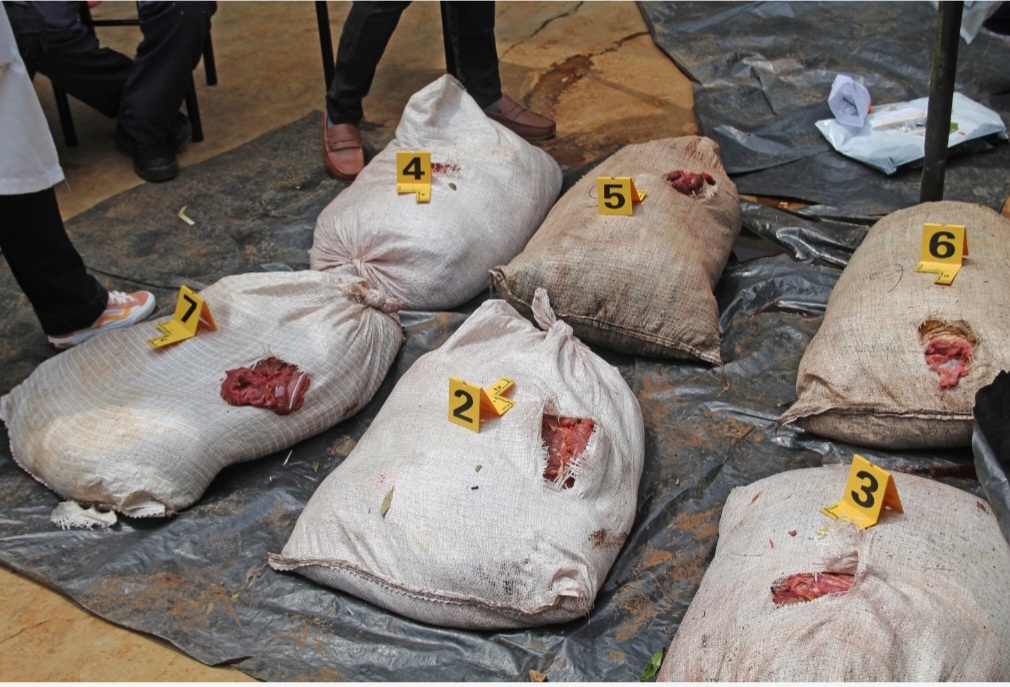
KWS noted that bushmeat trafficking remains one of the leading drivers of wildlife crime in Kenya, with annual recoveries exceeding 20 tonnes. Hotspot areas include Kajiado, Taita Taveta, Narok, Nakuru, Lamu and Tana River counties.
The service further warned that factors such as poverty, drought, human-wildlife conflict, population growth and the proliferation of small arms continue to fuel illegal hunting.
“Protecting wildlife safeguards biodiversity and the economic opportunities that tourism brings to communities and the country at large,” KWS said, urging residents to report illegal wildlife activities and support conservation efforts.