Public transport operators have agreed to a temporary halt of their nationwide strike. The move comes after two days of transport paralysis that left thousands of commuters stranded and disrupted economic activities across the country.
The suspension will last for one week to allow for high-level negotiations between the government and industry stakeholders.
The strike is currently set to remain on hold until Tuesday, 26 May 2026. During this period, representatives from the transport sector will meet with government officials to find a permanent solution to the dispute over fuel prices.
A Push for Dialogue
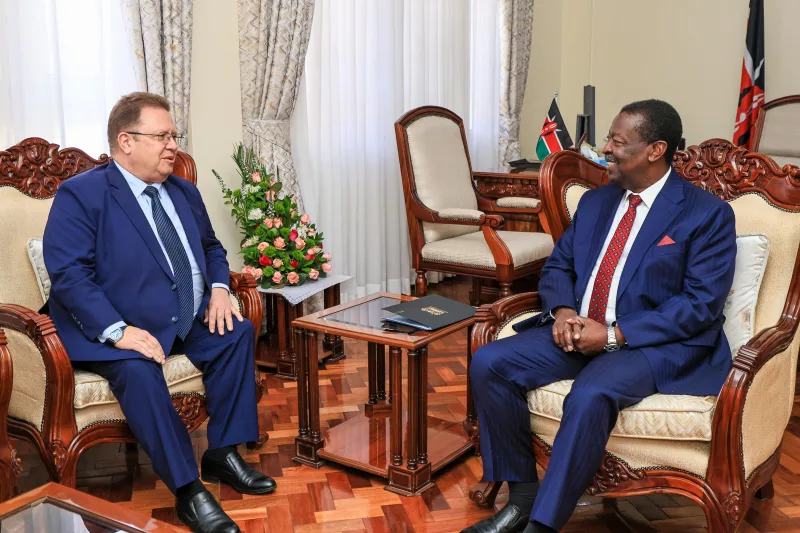
Interior Cabinet Secretary Kipchumba Murkomen announced the breakthrough following a consultative meeting on Tuesday morning. He emphasised that the government is aware of the pressure Kenyans are facing due to the rising cost of living.
“There was need for negotiations with the stakeholders at a high level and they will take place within the next one week,” Murkomen stated.
The government confirmed that the pause is necessary to prevent further disruption to the economy. Transport leaders, including Mr Mukaban, apologised to passengers for the chaos of the last 48 hours.
The Fuel Price Feud
At the heart of the strike is a sharp disagreement over fuel costs. Global price hikes, driven by the crisis in the Middle East, have forced the government to take several interventions.
Last month, VAT on petroleum was reduced by 8%, and the Petroleum Development Levy was used to stabilise prices.
Despite these moves, operators say the costs are still too high. Last night, the government reduced the price of diesel by 10 shillings per litre. However, transport stakeholders had been agitating for a much larger reduction of 46 shillings.
In a move to prevent fuel adulteration, the government also rationalised prices by increasing diesel by 38 shillings to match kerosene prices, a step they claim was requested by some stakeholders.
Two Days of Paralysis
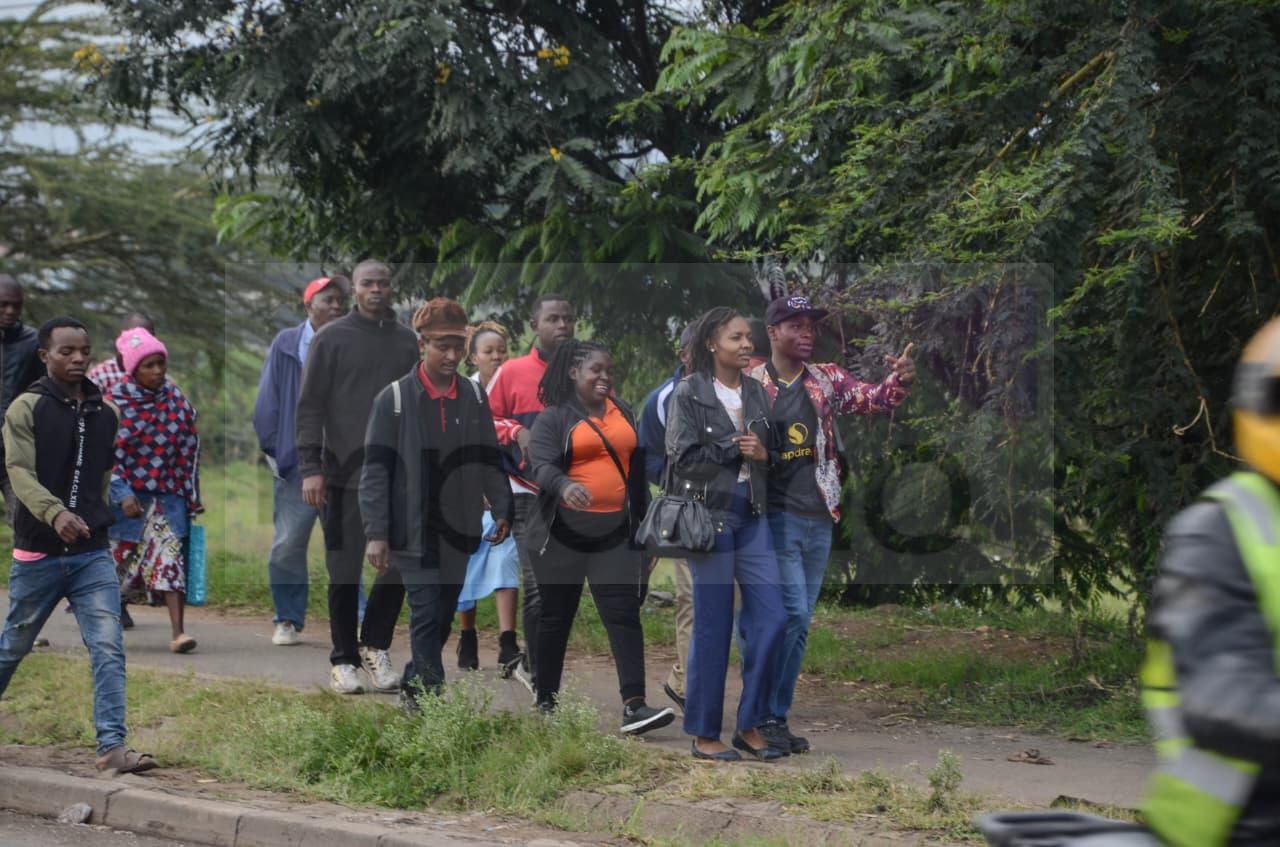
The strike had a massive impact on major transport arteries. On the Thika Superhighway, matatus, buses, and boda bodas were notably absent, leaving the road nearly deserted. Many commuters were forced to walk long distances as "feet replaced fare."
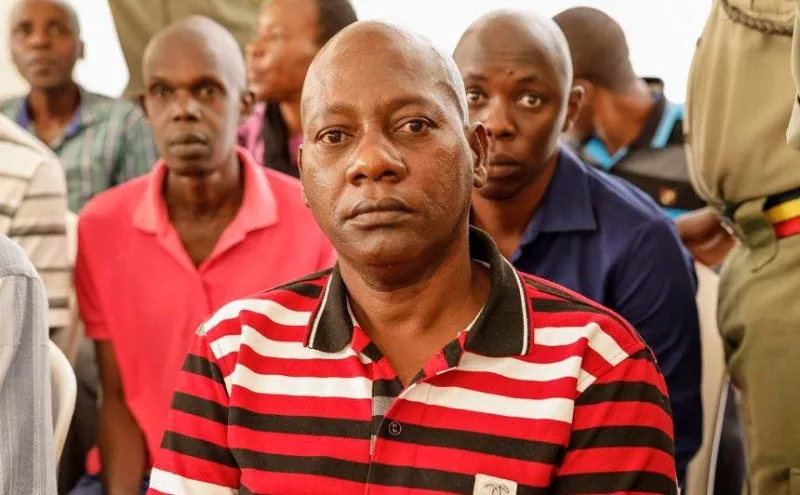
The protests also turned personal for some. MP Dawood was reportedly attacked during the demonstrations. Police confirmed that 710 protesters were arrested during the two-day stir.
“The public transport sector stakeholders also condemned incidences of violence and destruction witnessed yesterday... and completely dissociate themselves from them,” Murkomen noted.
What Happens Next?
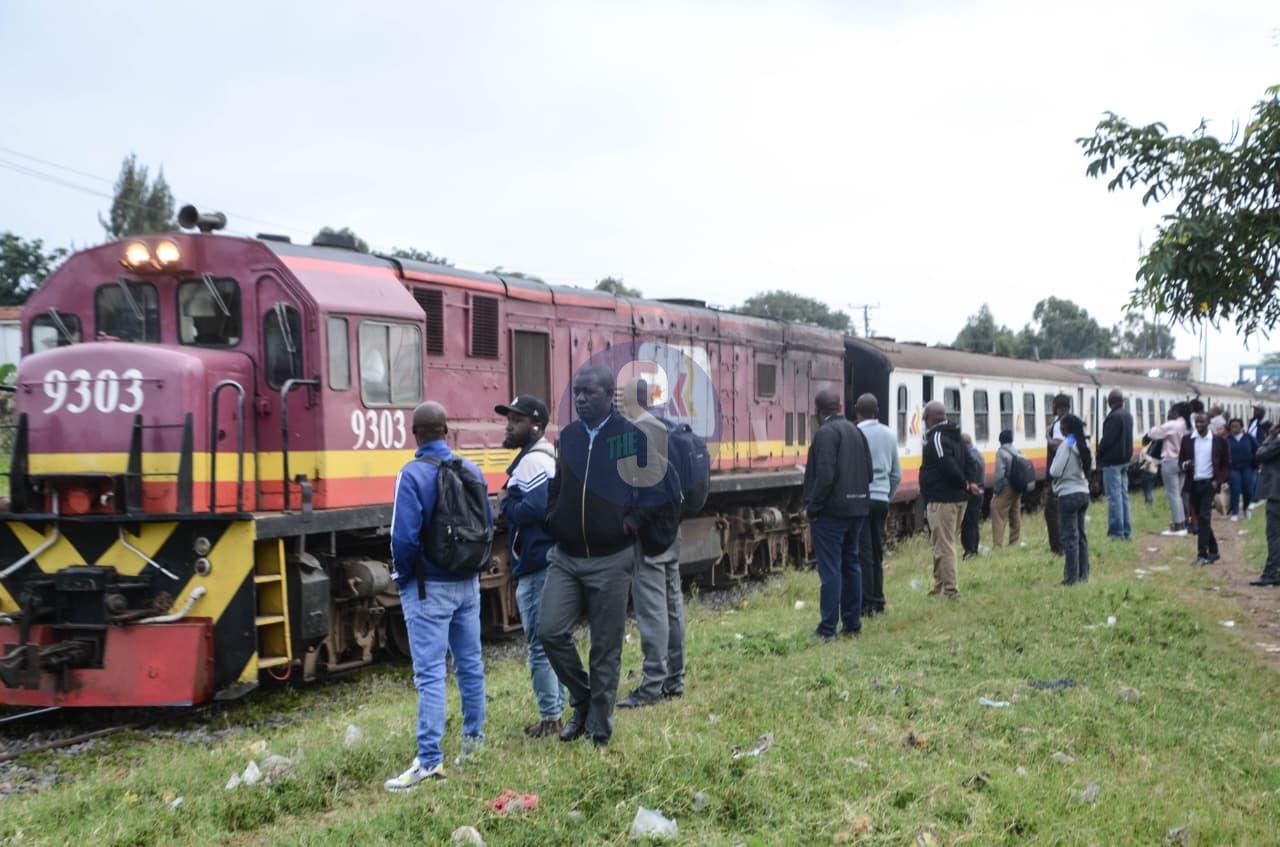
The one-week window is intended to provide a cooling-off period. High-level talks will involve various ministries and the city governor. While matatus are returning to the roads for now, the threat of further action remains if the negotiations do not meet the operators' demands for more significant fuel price relief.
The government has called for peaceful means to air grievances, reiterating its commitment to addressing the concerns of the transport sector while protecting the public from the high cost of living.