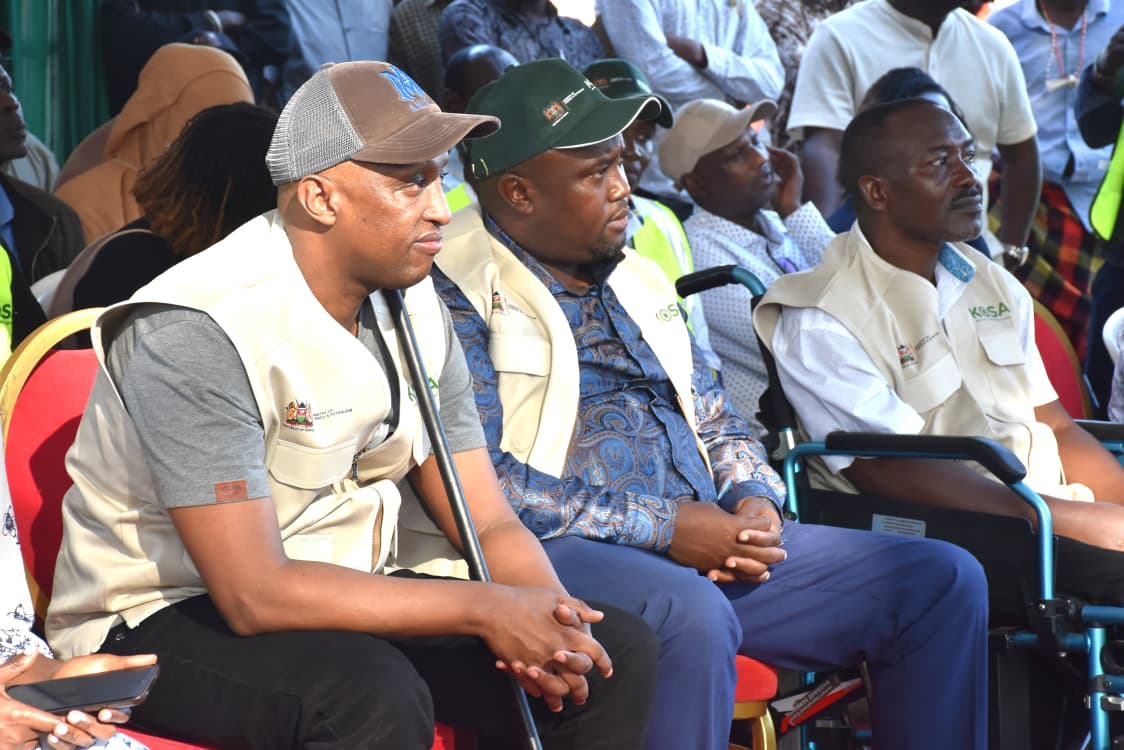
At least 300,000 Kenyans living in remote and underserved regions are set to benefit from a major rural electrification programme.
This is after the Ministry of Energy launched the construction of 114 solar mini-grids across 14 counties.
The ambitious Kenya Off-Grid Solar Access Project (KOSAP) was officially launched in Kipsing village, Oldonyiro ward, in Isiolo county.
Government officials described the project as a key step towards achieving universal electricity access by 2030.
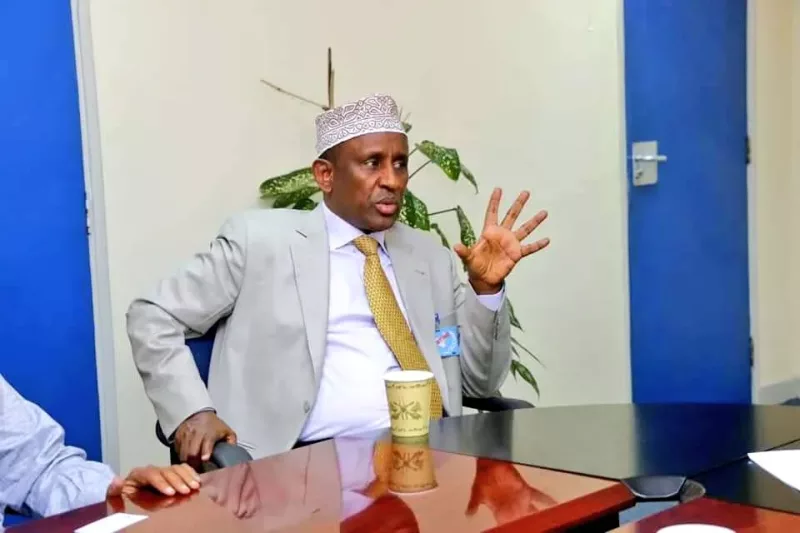
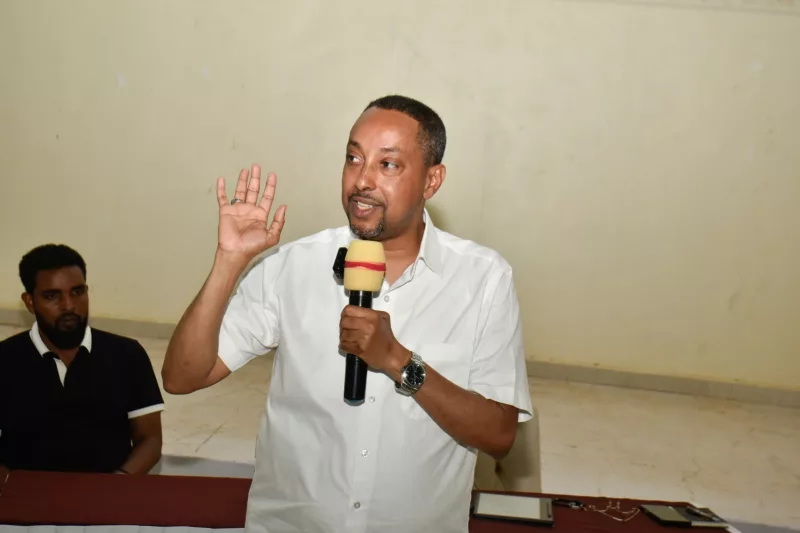
Speaking during the launch, Energy PS Alex Wachira said the initiative is aimed at transforming the lives of residents in remote areas that have historically remained disconnected from the national electricity grid.
“The Kenya Kwanza administration is committed to uplifting the livelihoods of residents in underserved areas through reliable and affordable access to electricity,” Wachira said.
The 114 mini-grids will be established in the counties of Garissa, Isiolo, Kilifi, Kwale, Lamu, Mandera, Marsabit, Narok, Samburu, Taita Taveta, Tana River, Turkana, Wajir and West Pokot.
The PS said the mini-grids will utilise modern solar photovoltaic technology coupled with battery storage systems to provide stable electricity for homes, schools, health centres and businesses.
The project will cost an estimated Sh9.4 billion.
Under the arrangement, the Rural Electrification and Renewable Energy Corporation will construct 31 mini-grids in Isiolo, Turkana, Marsabit and Samburu counties.
Kenya Power will oversee the development of 89 mini-grids in Mandera, Wajir, Garissa, Isiolo, Kilifi, Kwale, Lamu and Narok counties.
Isiolo alone is set to receive five mini-grids located in Kipsing, Iresa Boru, Gafarsa, Bassa and Malkadaka at a combined cost of approximately Sh433 million.
According to the ministry, the Kipsing Mini-Grid Project will connect at least 327 households and seven public and commercial institutions, including Kipsing Primary School, Kipsing Dispensary, shops and places of worship.
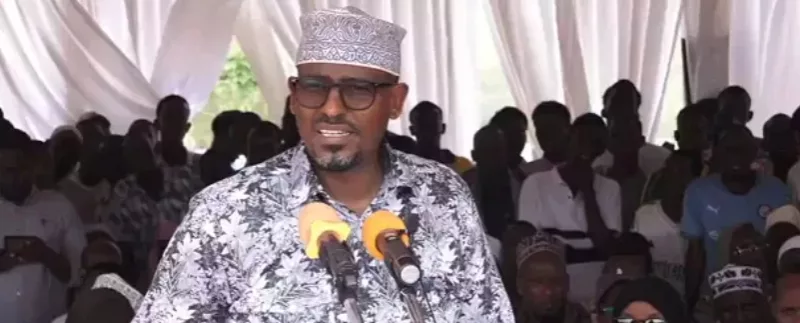
Isiolo Governor Abdi Guyo welcomed the project, saying it would unlock economic opportunities and improve living standards in marginalised areas.
“The KOSAP project will transform livelihoods and open up these regions for economic take-off through the creation of thousands of jobs,” Guyo said.
The governor further announced that the county government will cater for the Sh1,000 connection fee required for each household in the five targeted villages to ensure poor families are not excluded from the programme.
“We do not want any household left behind because of poverty. Every home in the targeted villages deserves access to electricity,” he added.
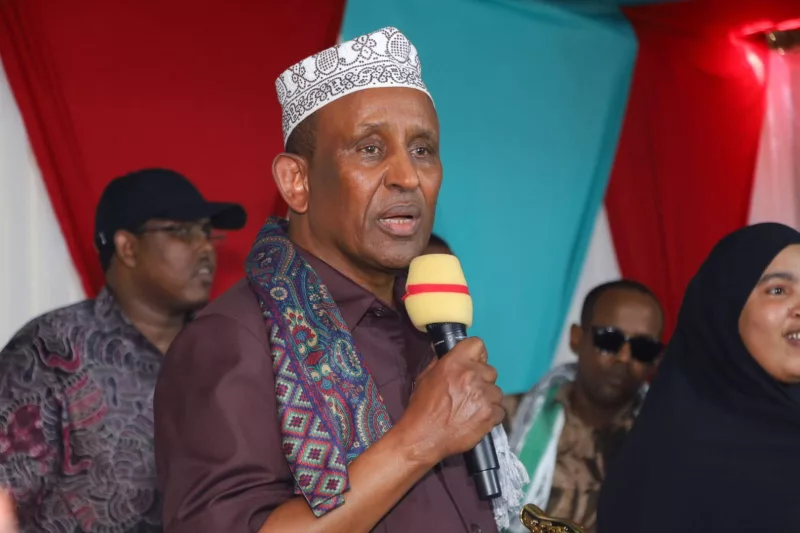
Isiolo Woman Representative Mumina Bonaya attributed the success of the electrification initiative to joint lobbying efforts by local leaders, including Governor Guyo and Isiolo North MP Joseph Samal.
Bonaya called for continued unity among leaders to help attract more development projects to the region.
“We must continue speaking with one voice to ensure our communities benefit from more government projects,” she said.
Residents in Kipsing expressed optimism that the project would significantly improve economic activities in the area.
Christine Lina, chairperson of the Kipsing Umbrella Women Group, said the lack of electricity has for years affected pastoralist communities, particularly during rainy seasons when milk production increases but storage remains a challenge.
“At the moment, milk goes bad quickly because we have no cooling facilities due to lack of electricity,” Lina said.
She noted that the solar mini-grid would enable residents to acquire milk coolers, establish small businesses and create alternative sources of income powered by electricity.
Lina, however, appealed to the government to ensure qualified technicians are deployed in the area to undertake safe and quality electrical wiring for households and businesses.
The residents also thanked President William Ruto and his administration for initiating the project, saying it would bring long-awaited development to the remote villages.
INSTANT ANALYSIS
The launch of 114 solar mini-grids signals the government’s renewed push to bridge Kenya’s rural electricity gap and spur economic growth in marginalised regions. Beyond lighting homes, the project is expected to support small businesses, healthcare, education and agricultural value chains such as milk preservation in pastoralist communities.
Isiolo Governor Abdi Ibrahim Guyo’s move to waive household connection fees could enhance inclusivity. However, successful implementation, maintenance and affordability will determine whether the ambitious Sh9.4 billion initiative delivers long-term transformation.