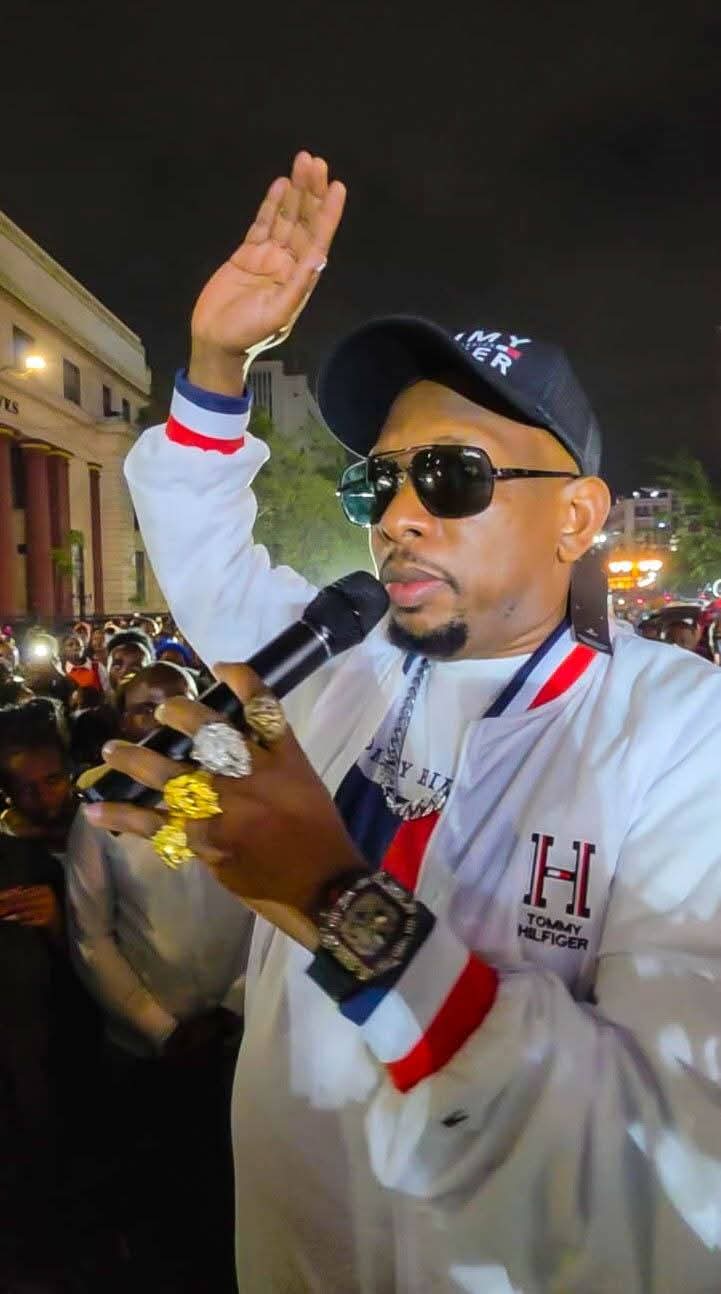
Former Nairobi Governor and philanthropist Mike Sonko has issued an urgent appeal to public transport operators participating in the ongoing nationwide strike.
He urged them to allow the free movement of people requiring medical attention and emergency services. Sonko's plea came as a response to the spreading travel paralysis that left thousands of commuters stranded across the capital.
A Plea for Saving Lives
Taking to his Facebook page, Mike Sonko TV, the former governor questioned how the transport standstill was impacting vulnerable citizens. He specifically expressed concern for school children, workers trying to reach their jobs, and patients with critical medical appointments.
While acknowledging the right of matatu operators to strike over the recent fuel price increases, Sonko begged protestors not to blockade roads. He emphasized that blocking commuters could prevent sick individuals from reaching healthcare facilities. He noted that saving human lives must take precedence over economic protests.
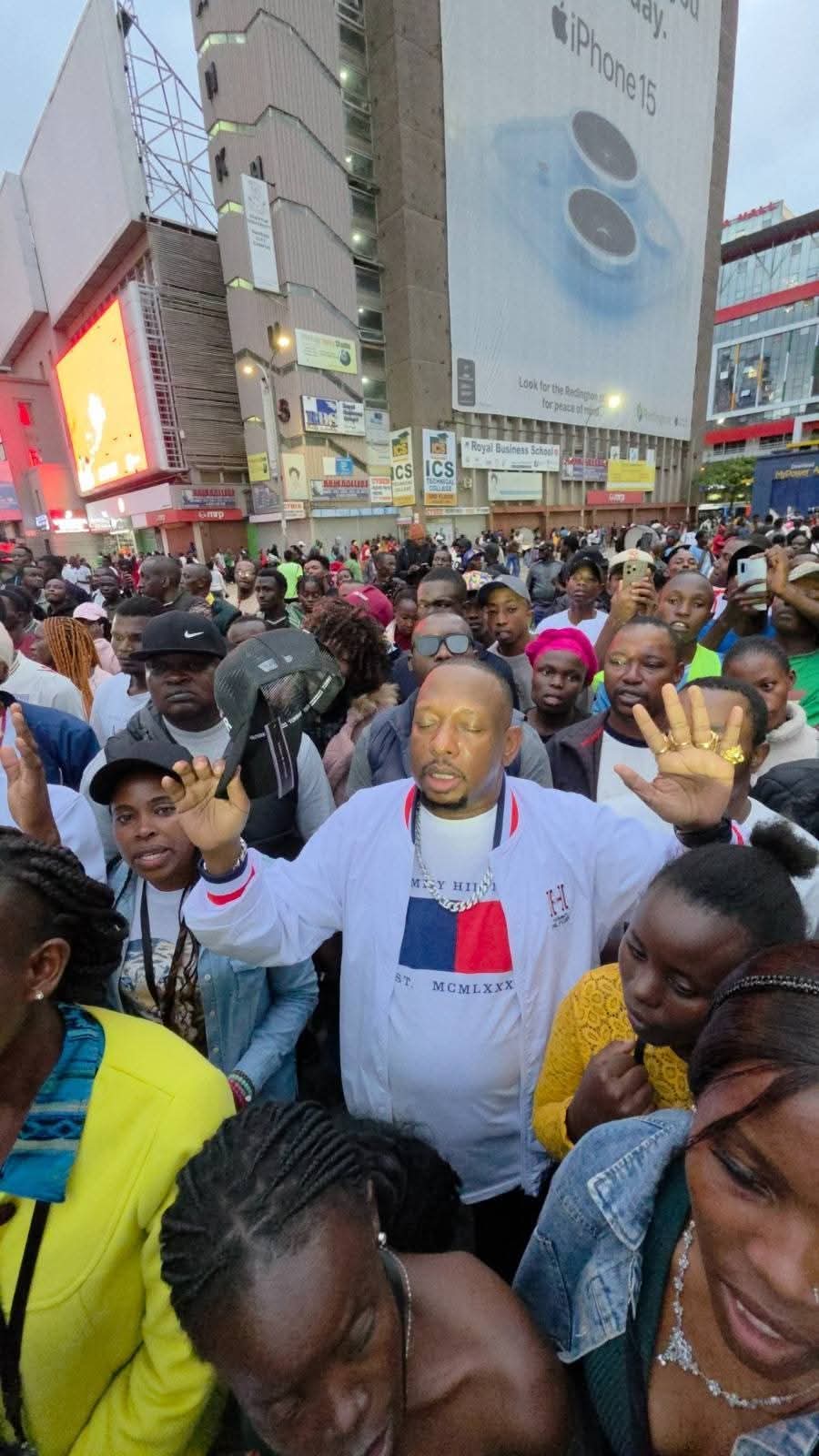
"Let's allow free movement of people. Kama wewe uko strike ni sawa, don't block those that are moving around. They could be saving a life, which is more important than that fuel,” Sonko urged.
The Catalyst: Escalating Fuel Costs
The public transport crisis erupted following the latest monthly pricing review by the Energy and Petroleum Regulatory Authority (EPRA).
The regulator announced massive retail price increases for fuel products, effective from mid-May. In Nairobi, Super Petrol rose by KSh 16.65 to retail at KSh 214.25 per litre.
The biggest shockwave hit the diesel segment, which skyrocketed by KSh 46.29, pushing the pump price to KSh 242.92 per litre. Because diesel is the primary energy source for public service vehicles (PSVs) and heavy commercial transit, transport associations immediately called for a complete shutdown to protest the high operational costs.
Compounding the Healthcare Strain
The transport strike has severely crippled mobility on major city arteries such as Waiyaki Way, Thika Road, and Mombasa Road. With key fleets like Super Metro completely grounding their operations, thousands of citizens have been forced to trek for hours.
Sonko directed his special prayers to patients who are unwell and must navigate the paralyzed road networks by matatu, ambulance, or any other means.
“My prayers today ni ya wale not feeling well and must be taken to hospital either by Matatu, Ambulance or any other means,” he said.
Industry groups have maintained their hardline stance, demanding that the government reverse the EPRA price structure. However, humanitarian organizations have echoed Sonko's warnings, stating that prolonged blockades could result in preventable casualties.