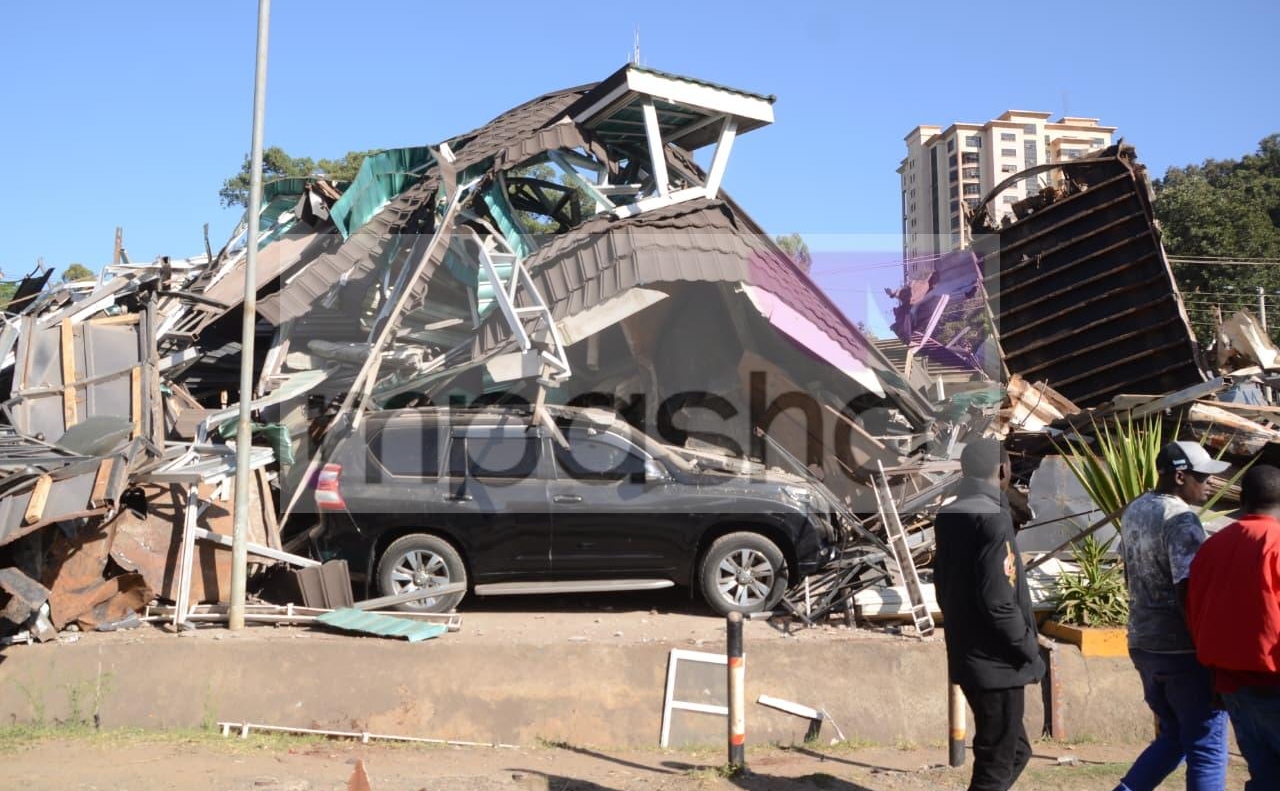
Nairobi woke up to tension, deserted highways and stranded commuters on Monday morning as protests linked to rising fuel prices disrupted transport across several parts of the city.
The demonstrations, which began as a matatu strike, quickly paralysed movement in major areas, leaving thousands of residents unable to travel to work, school or businesses.
From early morning, many public service vehicles stayed off the roads after transport operators protested against the increasing cost of fuel.
Read Also
One of the transport companies that suspended operations was Super Metro, which had earlier issued a notice warning passengers about the disruption.
“In view of the MATATU STRIKE slated for tomorrow, we will not be in operation. We shall communicate when services will resume,” read the company’s
The demonstrations, which began as a matatu strike, quickly paralysed movement in major areas, leaving thousands of residents unable to travel to work, school or businesses.
Matatus remained parked at a Nairobi terminus after operators suspended services during the fuel price protests,Matatus remained parked at a Nairobi terminus after operators suspended services during the fuel price protests,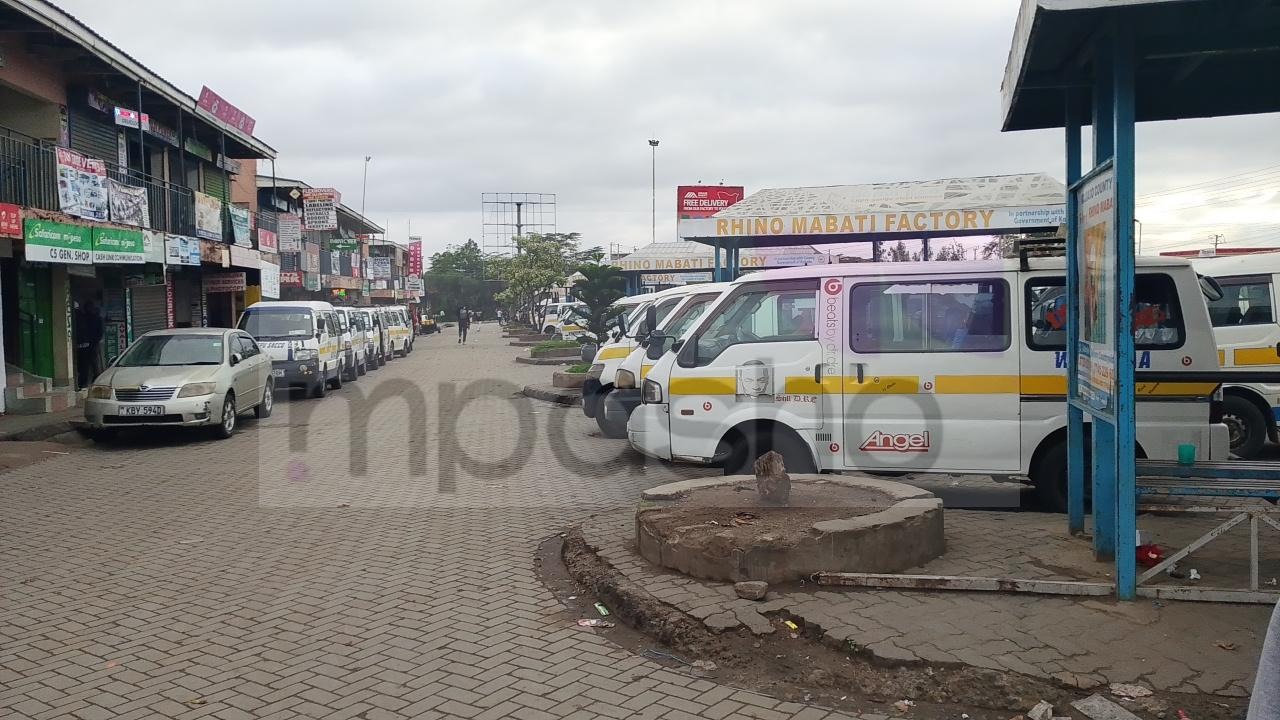
School Children Left Waiting by Roadsides
The strike affected school-going children, workers and traders who rely heavily on public transport for daily movement.
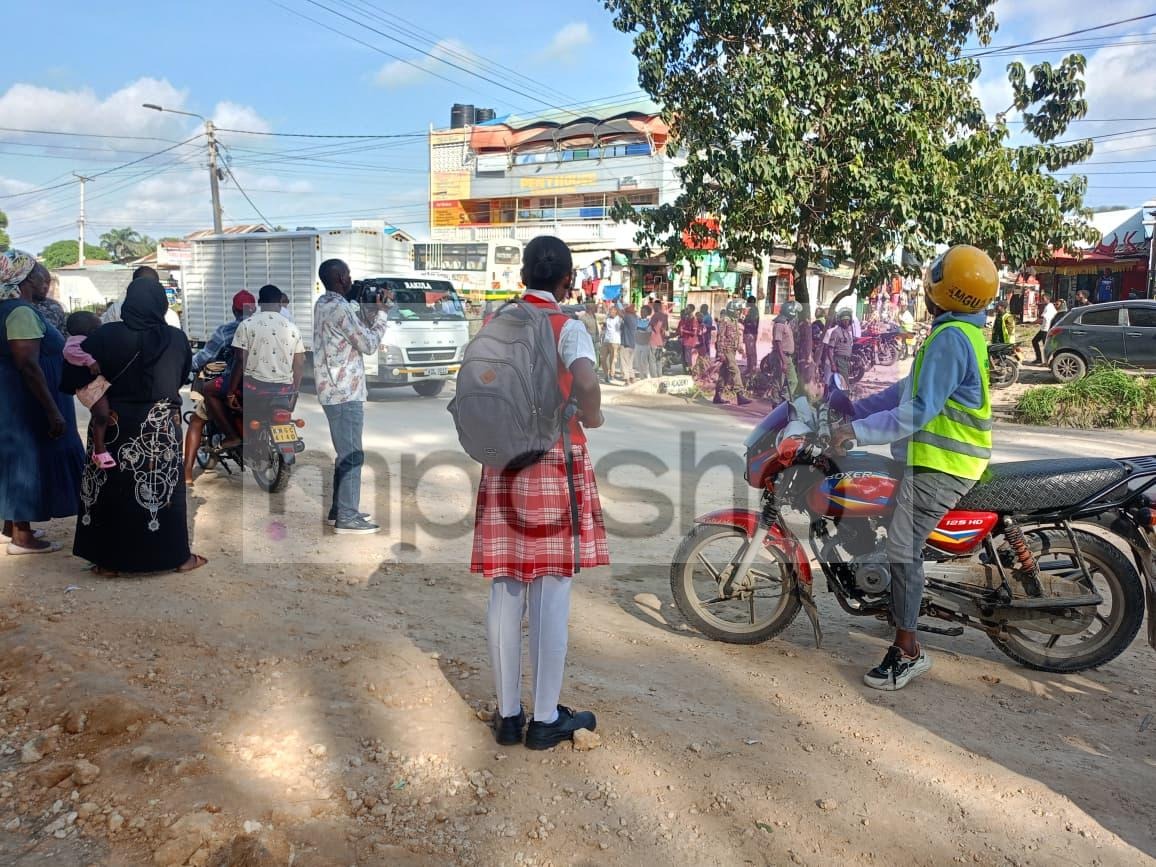
Several students were spotted standing by roadsides early in the morning, some carrying school bags while waiting for vehicles that never arrived.
Others reportedly returned home after spending hours at bus stops without success.
Parents and guardians were also seen stranded as uncertainty spread across different estates and highways.
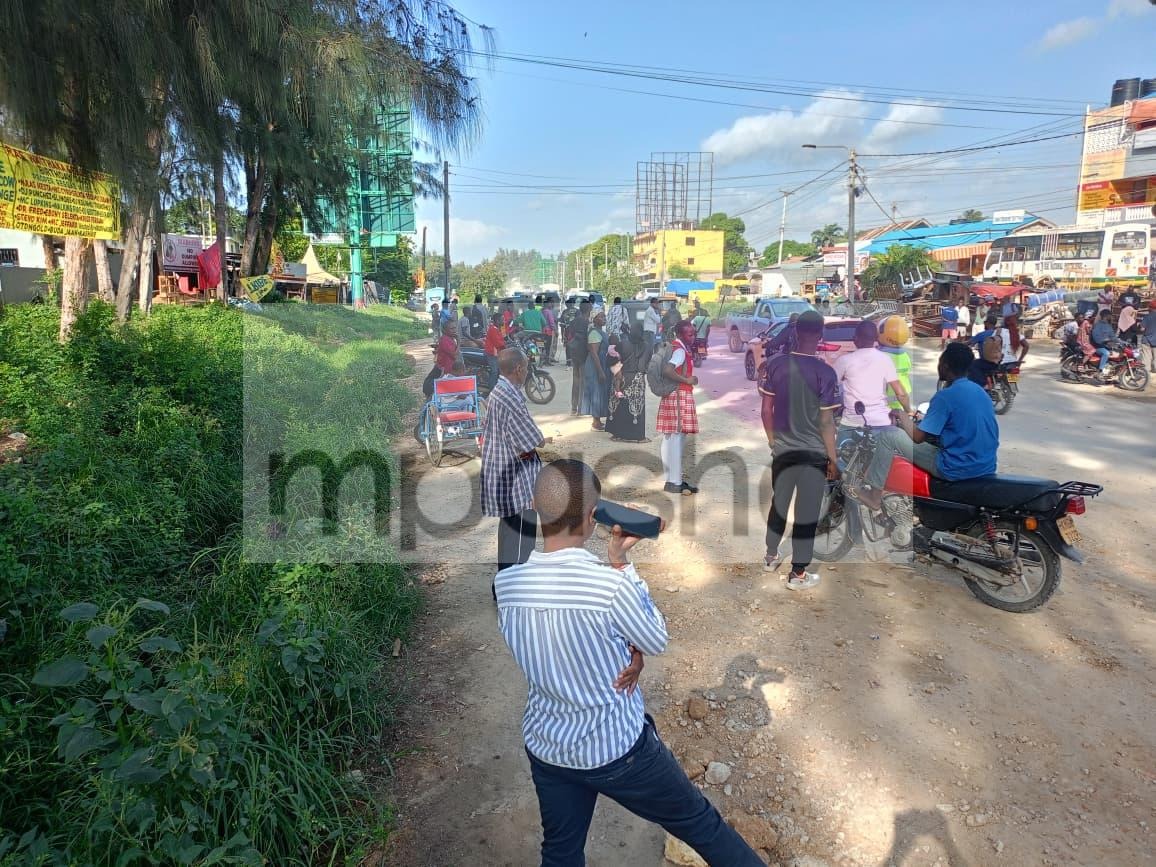
Commuters Left Stranded as Matatus Stay Off the Roads
Dozens of commuters were seen standing by the roadside for hours in the hope of finding matatus as the transport strike paralysed movement across parts of Nairobi.
School children, workers and traders gathered along major roads, anxiously watching the few passing vehicles, while others resorted to boda bodas to reach their destinations.
The disruption left many stranded after public service vehicles failed to operate following protests linked to rising fuel prices, forcing residents to wait helplessly under the morning sun as uncertainty continued across the city.
Mama Mboga Traders Forced to Carry Goods on Foot
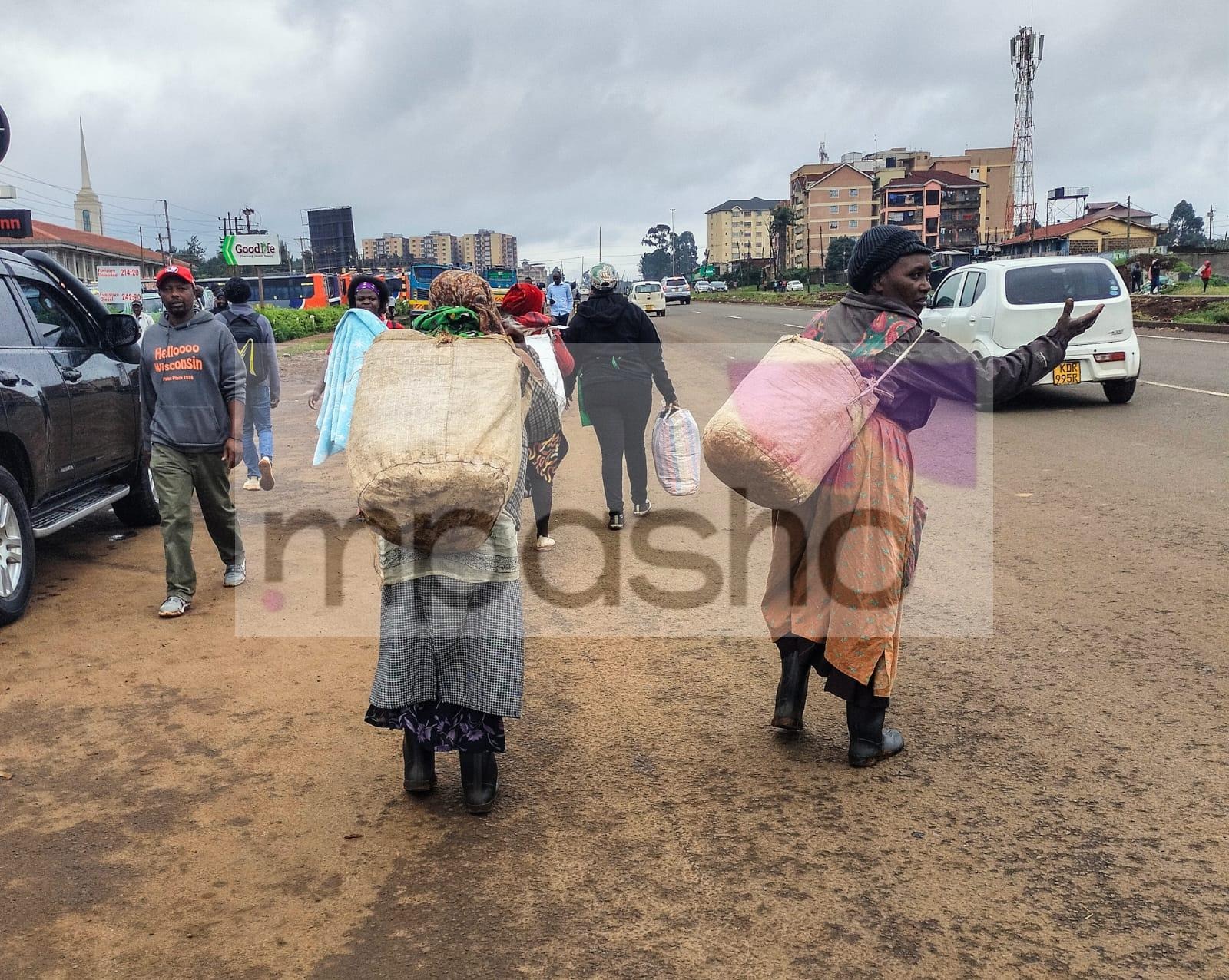
Among the hardest hit were small-scale traders, especially mama mboga operators who had travelled early to markets to buy stock.
With no matatus operating, many were forced to carry heavy sacks of vegetables and groceries on foot as they tried to return home and continue with business.
Some women were seen standing helplessly beside roads, while others slowly walked long distances carrying luggage on their backs.
The scenes highlighted the wider impact of transport disruption on ordinary Nairobi residents.
Protesters Block Roads With Stones
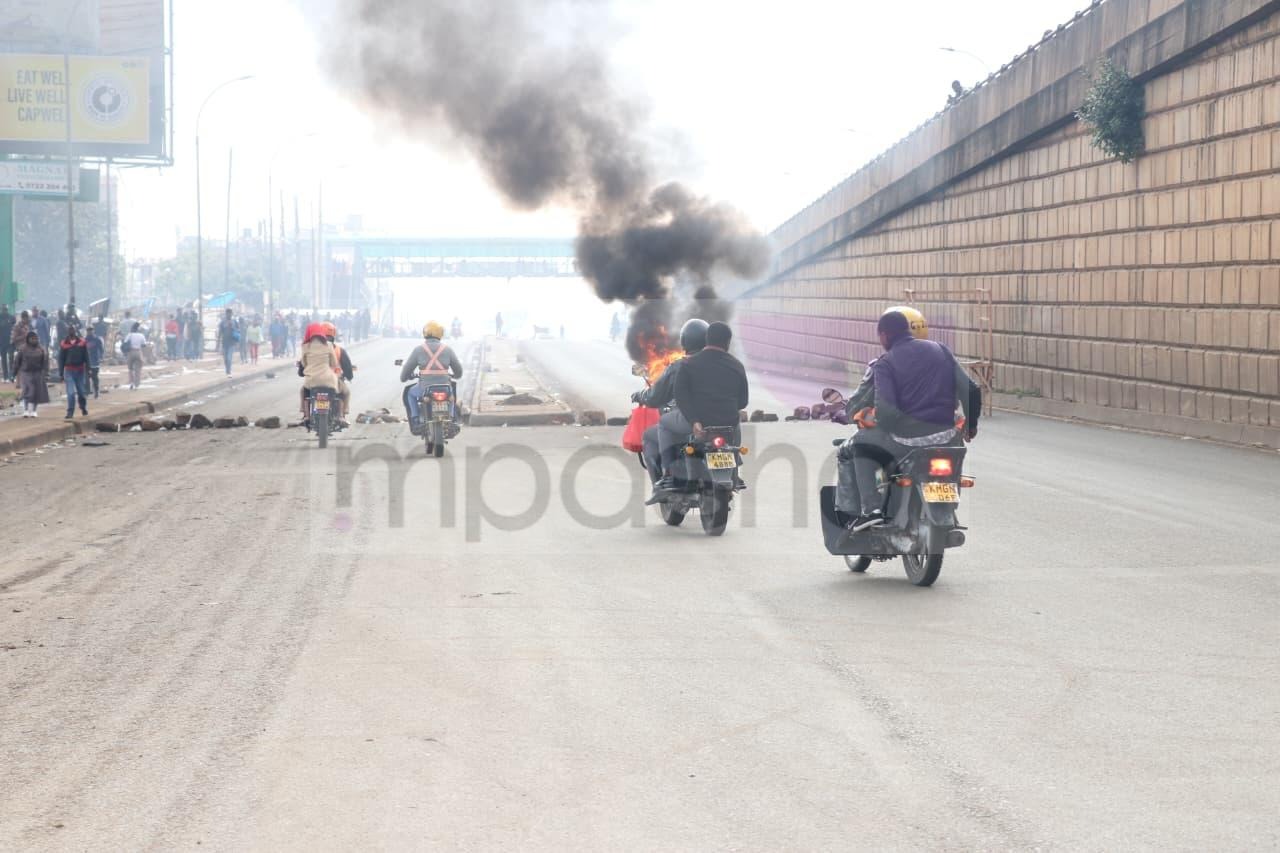
Although some sections of the city remained calm during the early hours, tensions escalated later as groups of protesters blocked roads using stones and debris.
Several roads became impassable as residents attempted to stop vehicles from using certain routes.
Small stones were scattered across highways while motorists avoided affected areas.
In some places, vehicles were reportedly moved to parking yards over fears of vandalism or damage.

Businesses Disrupted Across Nairobi
The strike also disrupted businesses, especially those dependent on customer movement and transport services.
Some workers failed to report to work, while traders delayed opening shops due to uncertainty over the demonstrations.
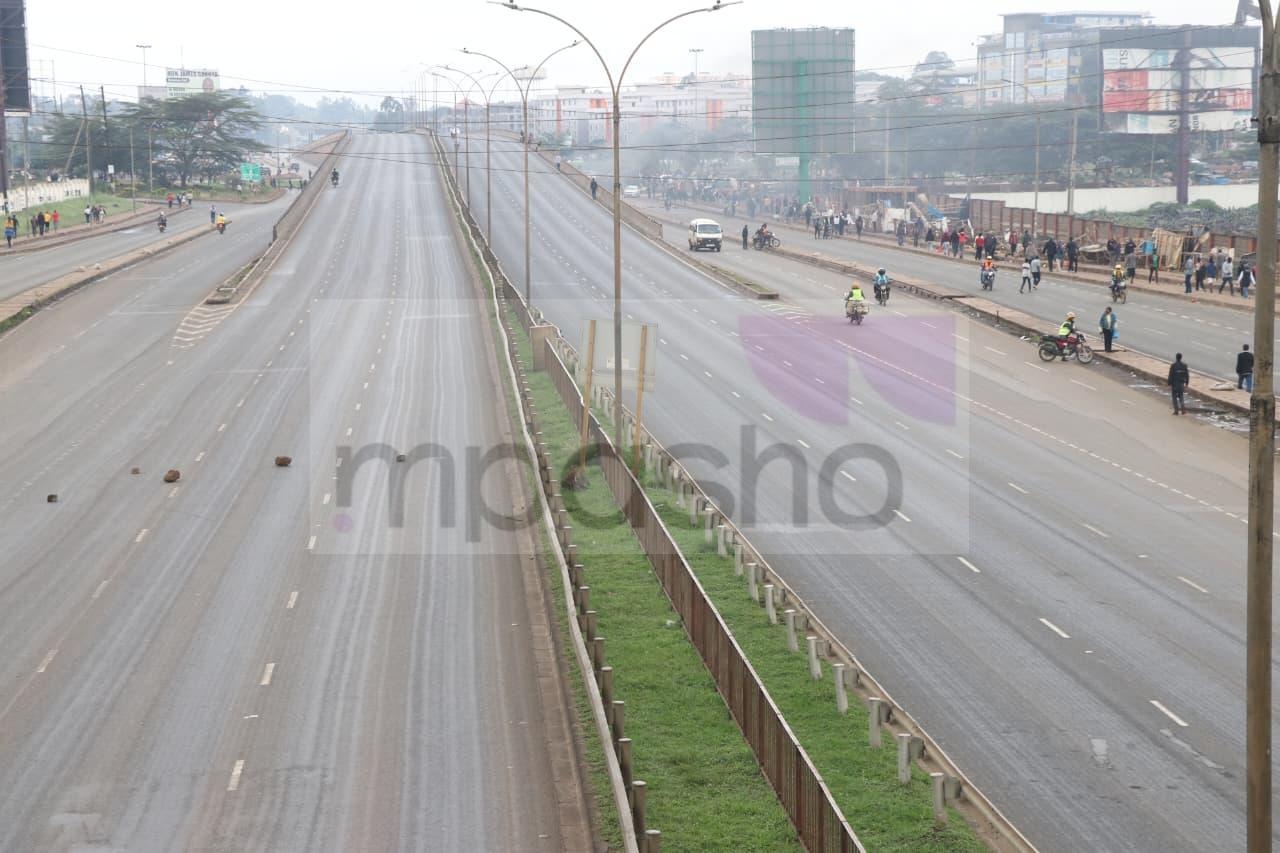
Major roads that are usually packed during rush hour appeared unusually quiet, with only a few private vehicles and motorcycles seen moving cautiously.
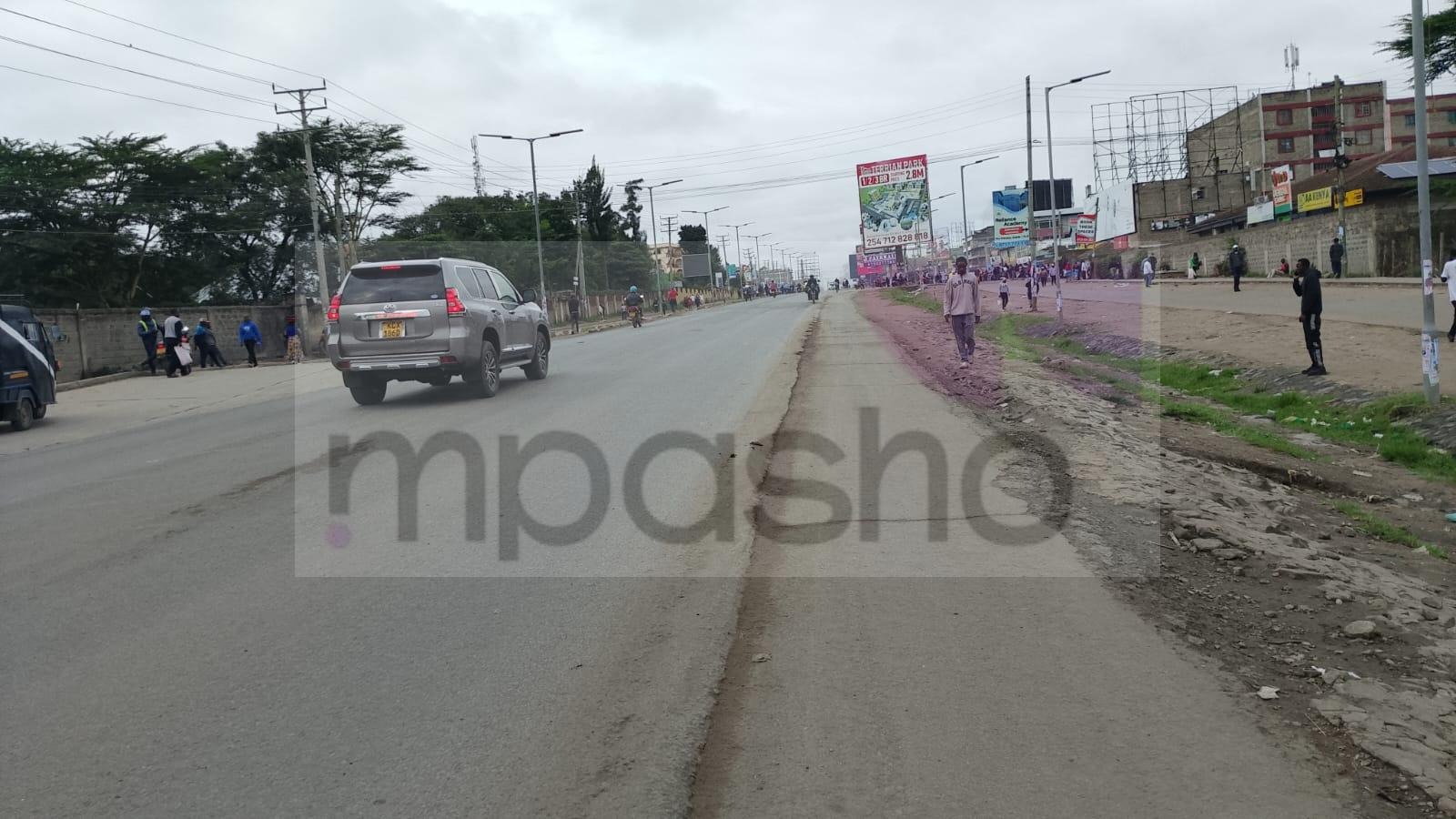 A usually busy Nairobi highway remains largely deserted // Photos by George Owiti
Smoke and Fire Seen Across Major Roads
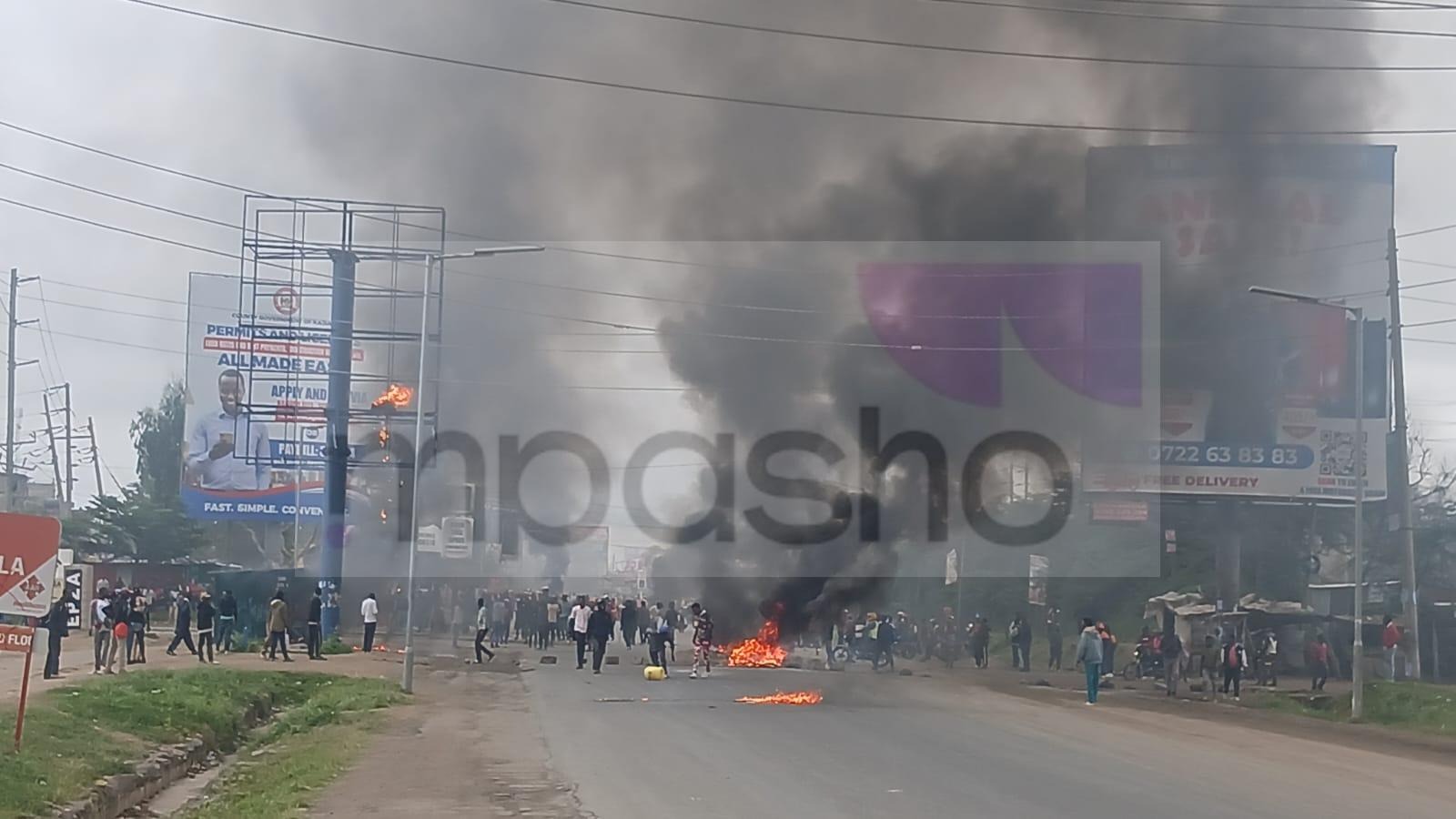
As the protests intensified, smoke billowed from burning tyres placed in the middle of roads.
Crowds gathered near highways as the demonstrations continued throughout the morning.
Motorcyclists were among the few transport operators still attempting to navigate blocked roads, though movement remained difficult in several sections.
Images from the protests showed thick black smoke rising into the sky while residents watched from a distance.
Fear and Uncertainty as Situation Remains Tense
Despite the protests beginning peacefully in some areas, the atmosphere later became tense as crowds increased and roads remained blocked.
Residents watched from footbridges and roadside pavements as smoke and scattered stones covered sections of highways.
Police presence was also reported in some areas as authorities monitored the situation.
Growing Anger Over Rising Fuel Prices
The demonstrations reflect growing frustration among Kenyans over the rising cost of fuel and its impact on daily life.
Higher fuel prices often lead to increased transport fares and rising prices of food and other basic commodities.
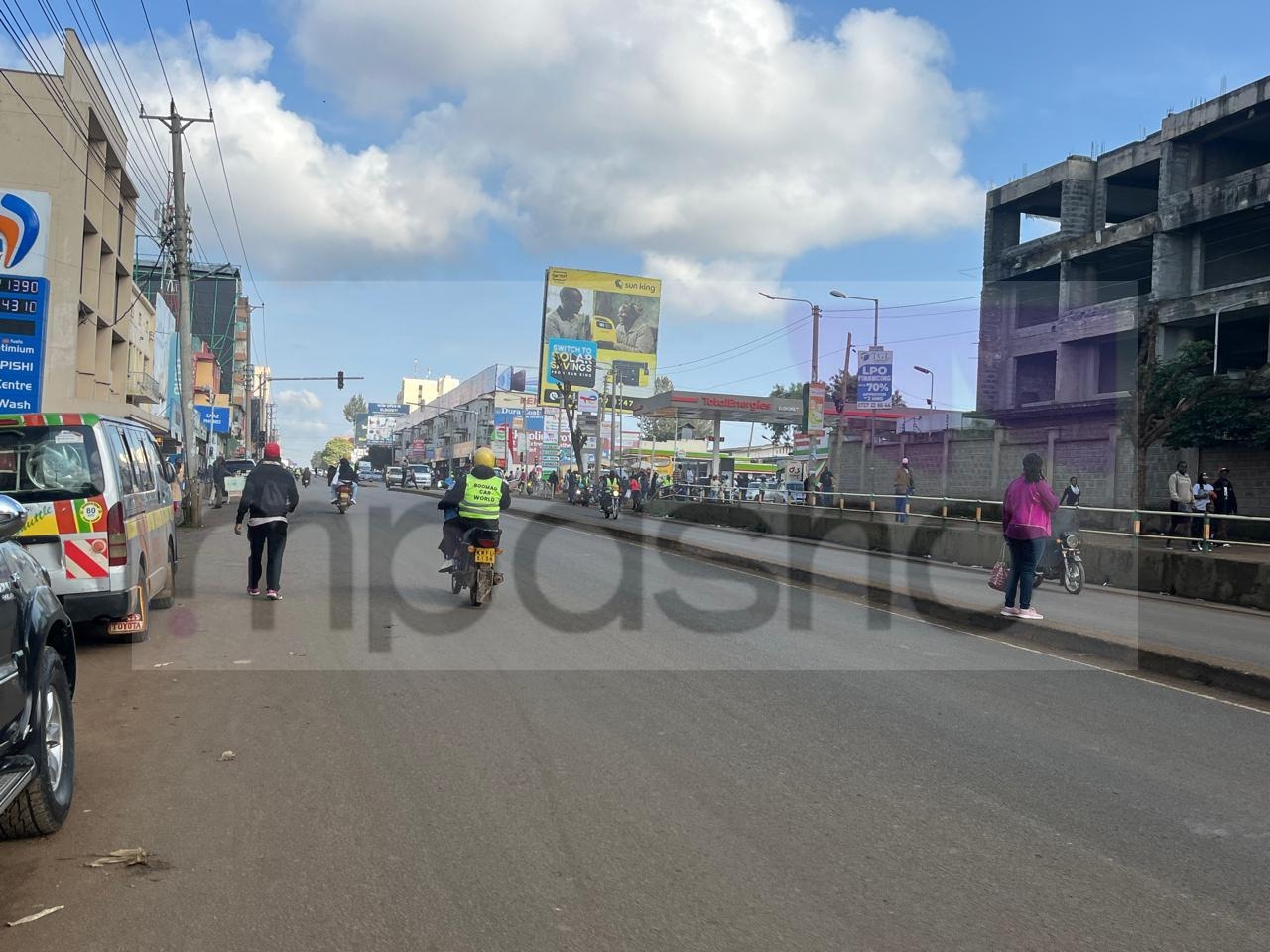 Residents and a few boda boda riders move through a quiet Nairobi highway after matatu operators suspended services // Photo by George Owiti.
For many Nairobi residents, Monday’s protests became another reminder of the pressure facing ordinary households and small businesses.
By midday, movement in several parts of the city remained disrupted, with many residents forced to walk long distances as uncertainty continued.