

All policies and measures aimed at reducing methane emissions must not compromise sustainable development or efforts to eradicate poverty, lawmakers from the African region have said.
The lawmakers made the declaration through a resolution endorsed on Saturday at the close of a regional seminar aimed at building their capacity to address methane emissions.
The seminar was held at Nairobi’s Ole Sereni Hotel from May 15 to May 16, 2026, under the theme: “Africa climate action: Reducing methane, promoting development.”
In the resolutions, lawmakers from the region committed to encouraging continued collaboration, cooperation and knowledge exchange among African parliaments, including through regional platforms and parliamentary networks, building on discussions initiated during the seminar.
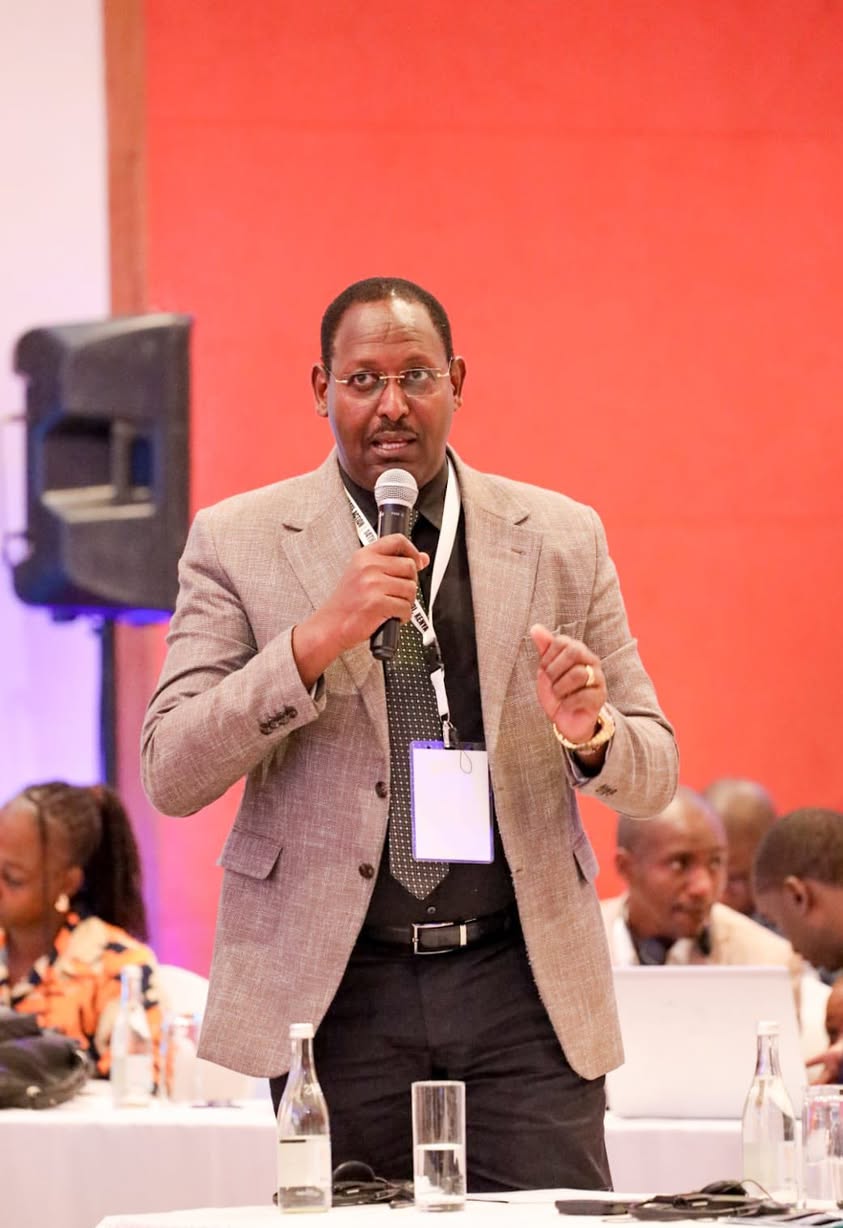
“We commit to call for enhanced dialogue among African parliaments and government institutions to promote a strong and united African voice in global methane-related negotiations, ensuring that international mechanisms and policy approaches fully reflect Africa's development priorities, food security needs and national circumstances,” John Mutunga, who read the resolution, said.
Lawmakers from more than 20 African countries also committed to emphasising the importance of global inter-parliamentary cooperation and solidarity in addressing climate change and methane emissions, with a view to promoting knowledge exchange, strengthening policy frameworks, reducing emissions and mitigating impacts on the most vulnerable populations.
They further emphasised that Africa's methane mitigation efforts have both adaptation and mitigation co-benefits, and require adequate, predictable and accessible climate finance from developed countries, while calling for the fulfilment of the COP29 climate finance goal and operationalisation of loss and damage funding.
The lawmakers also underscored the importance of access to reliable data, technical expertise and capacity-building opportunities to support evidence-based parliamentary decision-making, as well as the expedited transfer of affordable and locally adapted technologies, including low-emissions livestock systems, biogas, waste-to-energy solutions and methane measurement tools.
They reaffirmed their interest in continuing engagement and cooperation on climate and methane reduction through the Inter-Parliamentary Union, including through regional exchanges and global events such as the annual Parliamentary meeting at the United Nations Climate Change Conferences. They also pledged to engage in national and regional capacity-building in collaboration with the Inter-Parliamentary Union and other partners and stakeholders.
Members of parliament and parliamentary representatives from African countries gathered in Nairobi for the regional seminar on climate action and methane reduction.
The event was organised by the Parliament of Kenya and the Inter-Parliamentary Union in cooperation with Climate Parliament, the Climate Vulnerable Forum, the United Nations Environment Programme, the Climate and Clean Air Coalition, the International Livestock Research Institute, the World Agroforestry Centre and the Stockholm Environment Institute.
The seminar recognised that climate change is already severely affecting countries across Africa by impacting livelihoods, ways of life, food systems, health and economic development, with vulnerable groups facing the most severe consequences. Participants noted that addressing these challenges urgently requires integrated and context-specific responses.
They also noted that methane is a powerful greenhouse gas with a significant short-term warming effect, and that emissions from the agriculture, waste and energy sectors contribute to climate change while also affecting air quality and public health.







