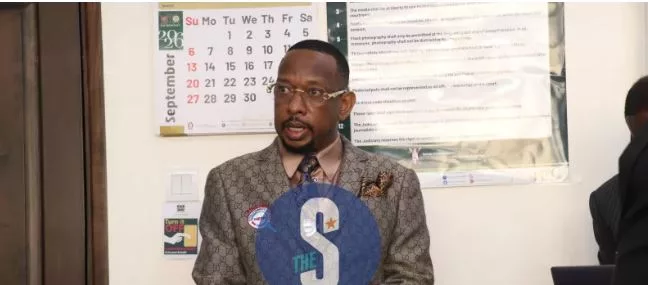
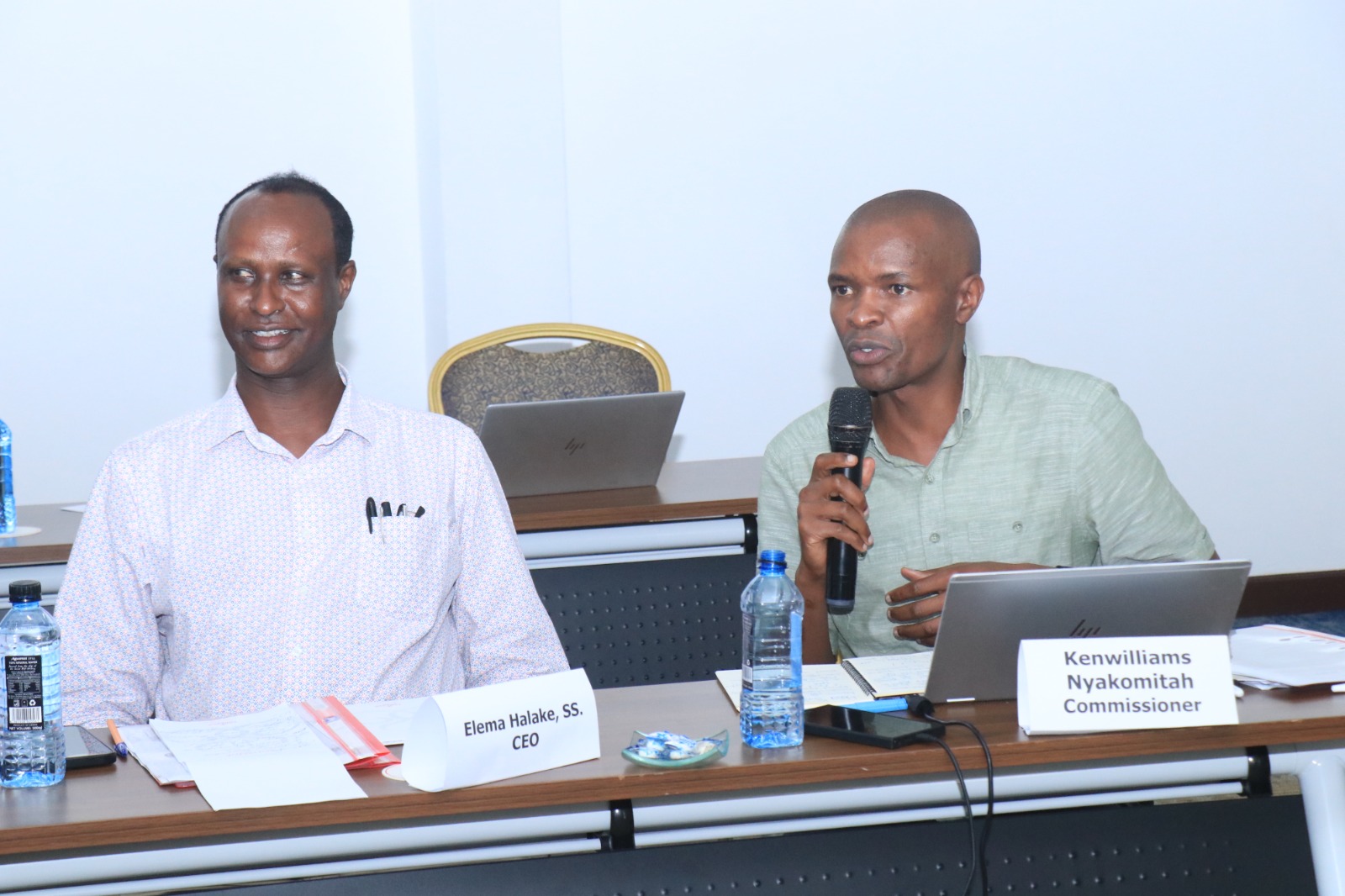
 IPOA CEO Elema Halakhe and commissioner Kenwilliam
Nyakomitah in Mombasa on Tuesday / BRIAN TIENO
IPOA CEO Elema Halakhe and commissioner Kenwilliam
Nyakomitah in Mombasa on Tuesday / BRIAN TIENOKenya risks sliding into political instability that could scare away investors and trap country in a cycle of poverty, Independent Policing Oversight Authority has warned.
The authority said the country is witnessing a growing pattern of inflammatory political rhetoric, confrontational politics and the increasing use of hired goons during political activities. The trends it argues, are straining national security.
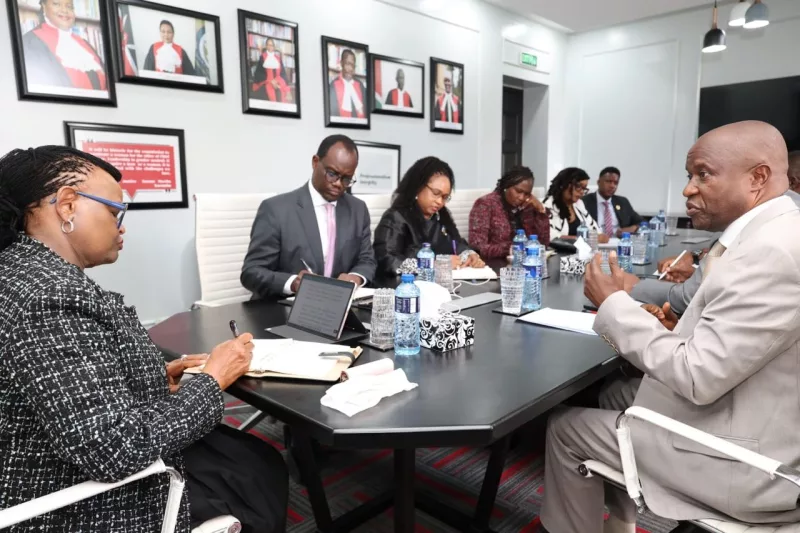
Speaking in Mombasa during the closing session of a four-day retreat between the IPOA board and the National Assembly Committee on Administration and Internal Security, commissioner Jackline Mwenesi said politicians bear primary responsibility for the rising tensions.
“What we are seeing — the rising cases of violence, insecurity and chaos — are the work of politicians who are increasingly orchestrating these through their political mobilisation rallies across the country,” she said.
Mwenesi warned that unless political leaders exercise restraint, isolated incidents of violence witnessed during recent rallies could escalate into a broader national security challenge as the country moves closer to the 2027 General Election.
She raised concern over what she described as a growing culture of incitement, reckless mobilisation and deliberate provocation of security agencies for political gain.
“We are increasingly concerned over the growing culture of confrontational politics, inflammatory utterances and the use of hired goons during political gatherings,” she said.
“The buck stops with the political class. They must lower the political temperatures.”
She further accused some politicians of intentionally provoking police officers during rallies, saying such actions often worsen tensions and put lives at risk.
Mwenesi, however, defended the police, saying officers are increasingly caught between rival political factions in highly charged environments, leaving them vulnerable to accusations of bias and excessive force.
Her sentiments were echoed by fellow IPOA commissioner Kenwilliam Nyakomitah, who urged leaders to avoid inflammatory language and respect the rule of law.
“Political competition should never come at the expense of national stability,” he said, adding that police officers must be allowed to perform their duties without intimidation or interference.
He stressed that while constitutional freedoms must be protected, they should be exercised responsibly and without violence.
Recent incidents of political violence, destruction of property and allegations of police misconduct during both opposition and government-linked events were cited as evidence of rising tension across the country.
Members of the National Assembly committee also raised concern over an incident involving former Deputy President Rigathi Gachagua at ACK Watima in Nyeri county, where police officers were allegedly captured on video firing at parked vehicles and breaking windscreens during a chaotic standoff.
Lari MP Mburu Kahangara said such incidents must be addressed urgently to prevent recurrence, warning that they damage public trust in both the police and government institutions.
IPOA chief executive officer Elema Halake said investigations into the incident had been complicated by inconsistencies in police deployment records.
He noted that although progress had been made, investigators were still working to establish the exact officers deployed at the scene.
“The information provided did not match what we found on the ground,” he said.
Halake said IPOA has recommended intelligence-led policing to help security agencies anticipate and prevent violent incidents before they escalate.
He also called for stronger community policing, improved training in crowd control and greater respect for human rights as the country heads towards the 2027 elections.
Members of the committee urged IPOA to adopt a more proactive approach, with Sotik MP Francis Sigei calling for the use of predictive tools and technology to anticipate unrest.
IPOA said it has already begun modelling possible election-related scenarios based on past trends to improve preparedness and response.
Halake further urged police commanders to take firm action against individuals and groups inciting violence, warning that failure to act early could expose the country to greater security risks.