
The government is set to roll out a system that supports talent identification, skill development and mentorship, fronting art as a critical aspect of the country’s social economy.
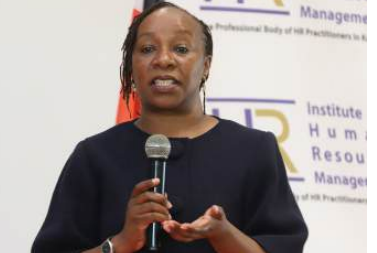
Speaking during a Women in Technology and Innovation Africa (WITIA) Creative Show 2026 in Nairobi, Principal Secretary, State Department for Creative Economy, Fikirini Jacobs, said that the initiative is currently piloted in Kwale, before national rollout.
It is targeting youth in seven categories: music, dance, fashion, comedy, poetry, pageantry, and digital content creation.
The initiative is not just a competition but a platform for training, mentorship, product support, market opportunities, and commercialization,’’ Fikirini said, adding that it recognises that Kenya has abundant talent but lacks structured systems to nurture and sustain it.
He outlined key challenges affecting the creative economy, including limited access to financing, weak commercialization structures, inadequate creative infrastructure, intellectual property concerns, unequal digital access, and fragmented market systems.
“The government is exploring innovative approaches to talent identification and development within the creative economy. The focus is on strengthening the creative economy while ensuring inclusive participation and addressing systemic barriers.”
He added that Kenya’s creative economy holds immense potential for employment creation, innovation and national transformation.
The PS hailed the WITIA Creative Show for the growth of the country’s creative economy, saying that it demonstrates how technology, culture, and creativity can work together to create sustainable opportunities for young people and creative entrepreneurs.
The forum noted that despite the enormous capability and contribution of women in Kenya, they remain underrepresented in many areas of technology and the creative economy.
Fikirini assured participants that the government is committed to promoting inclusive participation and ensuring women and girls have access to opportunities, skills, leadership, financing, and digital platforms.
He outlined key challenges affecting the creative economy, including limited access to financing, weak commercialization structures, inadequate creative infrastructure, intellectual property concerns, unequal digital access, and fragmented market systems.
The government is exploring innovative approaches to talent identification and development within the creative economy.
The focus is on strengthening the creative economy while ensuring inclusive participation and addressing systemic barriers.
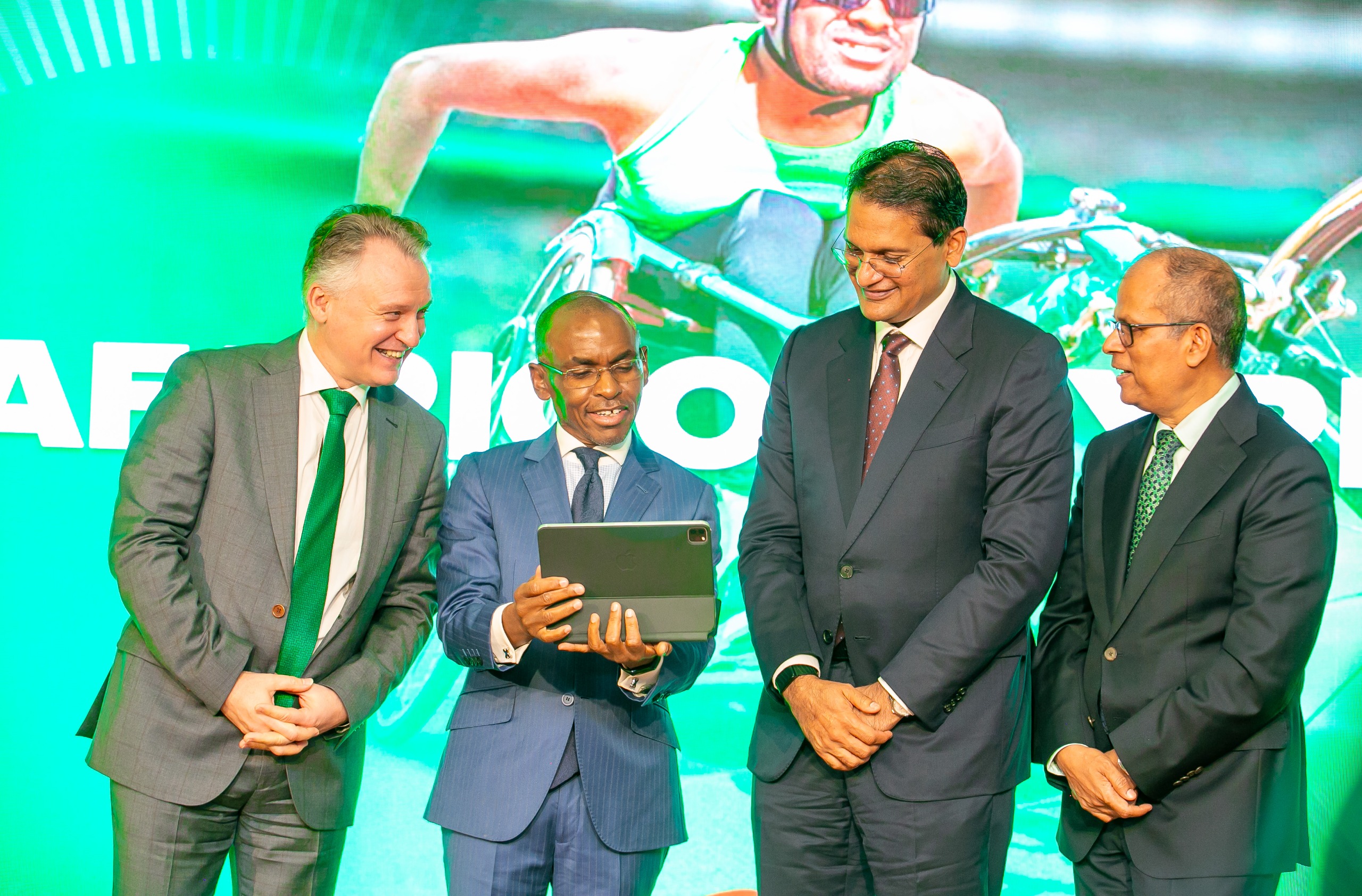
During the session, WasaaChat, a platform to collect royalties for artists, was unveiled.
The platform, which is available on both iOS and Android, is positioning itself as a space where creators can build closer relationships with their audiences while receiving direct financial support from fans.
Other leaders at the forum include Susan Auma Mang’eni, principal secretary, State Department for Micro, Small and Medium Enterprises Development, who addressed participants on the role of innovation, enterprise and policy in strengthening the creative sector.
Others are Eunice Pohlmann, founder of Women in Technology and Innovation Africa (WITIA), Bella Namango and Egware Museum.
Comments 0
Sign in to join the conversation
Sign In Create AccountNo comments yet. Be the first to share your thoughts!