
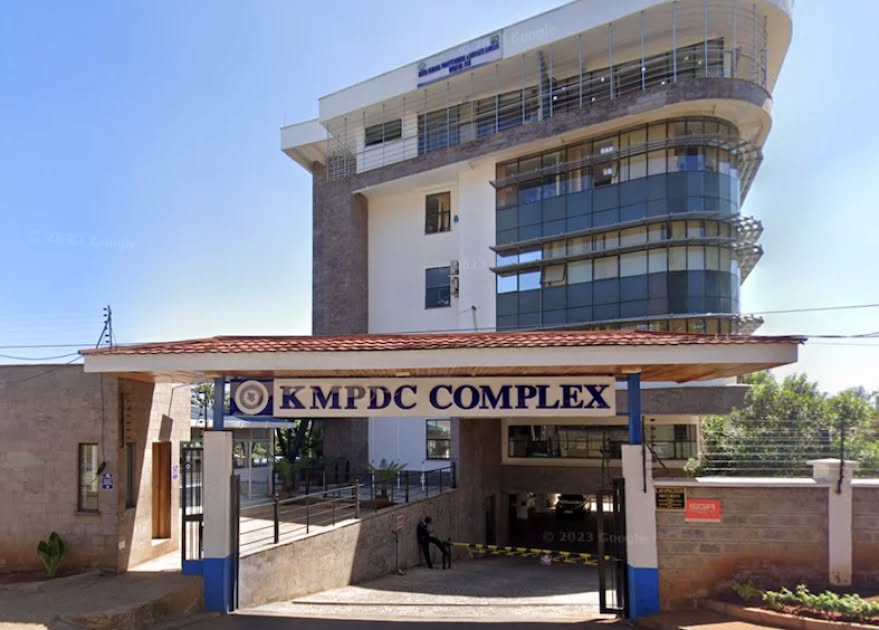
 In Kenya, health facilities are registered by the Kenya Medical Practitioners and Dentists Council (KMPDC).
Kenya is quietly experiencing a private healthcare expansion, according to data contained in the 2026 Economic Survey.
The report shows that private investors rapidly increased the number of clinics and medical centres in 2025, the first full year under the Social Health Authority (SHA) framework.
A total of 739 new health facilities were registered during the year, with the majority being private Level 3 medical centres.
Overall, the number of operational health facilities rose by 4.6 per cent, from 15,974 in 2024 to 16,713 in 2025.
Health facilities in Kenya are registered by the Kenya Medical Practitioners and Dentists Council (KMPDC).
“The number of operational health facilities increased by 4.6 per cent from 15,974 in 2024 to 16,713 in 2025,” the report states. “The increase was mainly attributed to growth in private medical centres and clinics.”
Private Level 3 medical centres recorded the sharpest rise, increasing from 1,208 to 1,519 within a year, underscoring the growing role of private investors in the country’s healthcare system.
Health Cabinet Secretary Aden Duale has repeatedly emphasised the importance of private sector involvement in achieving Universal Health Coverage.
“No meaningful progress can be achieved without sustained collaboration,” Duale said during the Kenya Healthcare Federation CEO Forum in Nairobi.
“The private sector remains central to delivering Universal Health Coverage.”
According to the Ministry of Health, 10,277 health facilities are currently transacting under SHA, including 5,672 county facilities, 533 faith-based institutions and 4,072 private providers.
County governments remain the largest beneficiaries of SHA payments, receiving about 57 per cent of primary healthcare disbursements, followed by private facilities at 36 per cent and faith-based organisations.
Urban counties dominate the distribution of payments, with Nairobi recording the highest primary healthcare payouts, followed by Kiambu, Mombasa, Kakamega and Bungoma, reflecting population size and utilisation patterns.
The Economic Survey also shows improvements in health infrastructure. Hospital bed capacity increased by five per cent to 106,300 in 2025, while cots rose by 8.3 per cent to 12,200. Government health spending also increased at both national and county levels.
However, these gains are unfolding alongside a worrying rise in disease burden.
Malaria cases surged sharply from 3.8 million in 2024 to 14.3 million in 2025, marking one of the steepest increases recorded in the report.
Respiratory diseases remained the most reported illnesses, accounting for 15.4 million cases.
“The diseases of the respiratory system accounted for the highest proportion of reported cases in 2025,” the report notes, adding that malaria cases “increased significantly during the review period.”
Teenage pregnancies also remained high despite ongoing reproductive health interventions.
The survey records 235,938 pregnancies among girls aged 10 to 19 during first antenatal visits in 2025, with several counties continuing to report elevated numbers.
Meanwhile, Kenya’s transition from NHIF to SHA is ongoing amid debate over sustainability and affordability. The government maintains that the reforms are improving efficiency and expanding coverage.
“SHA is improving efficiency in claims management, with a 74 per cent settlement rate achieved and a 90-day payment timeline enforced across all levels of care,” Duale told the Senate.
By February, the government reported that 29.4 million Kenyans had enrolled under SHA, with more than eight million already accessing primary healthcare services.
The Economic Survey also notes stagnation in the community health workforce, with the number of Community Health Promoters remaining unchanged at 107,831 for two consecutive years.
Despite this, maternal health outcomes showed improvement, with 98.6 per cent of births in 2025 taking place in health facilities, signalling better access to skilled delivery services.
Health experts say the rapid expansion of private facilities may help meet rising demand, but caution that stronger regulation and equitable financing will be critical if Kenya is to achieve universal health coverage in practice, not just policy.