CDC Kenya Division of Global Health ProtectionCDC Kenya Division of Global Health Protection
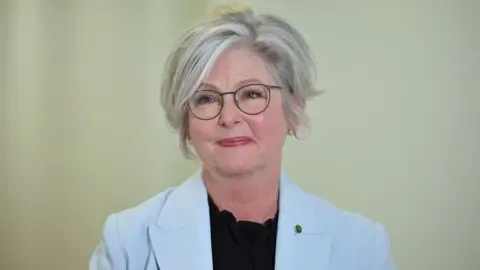
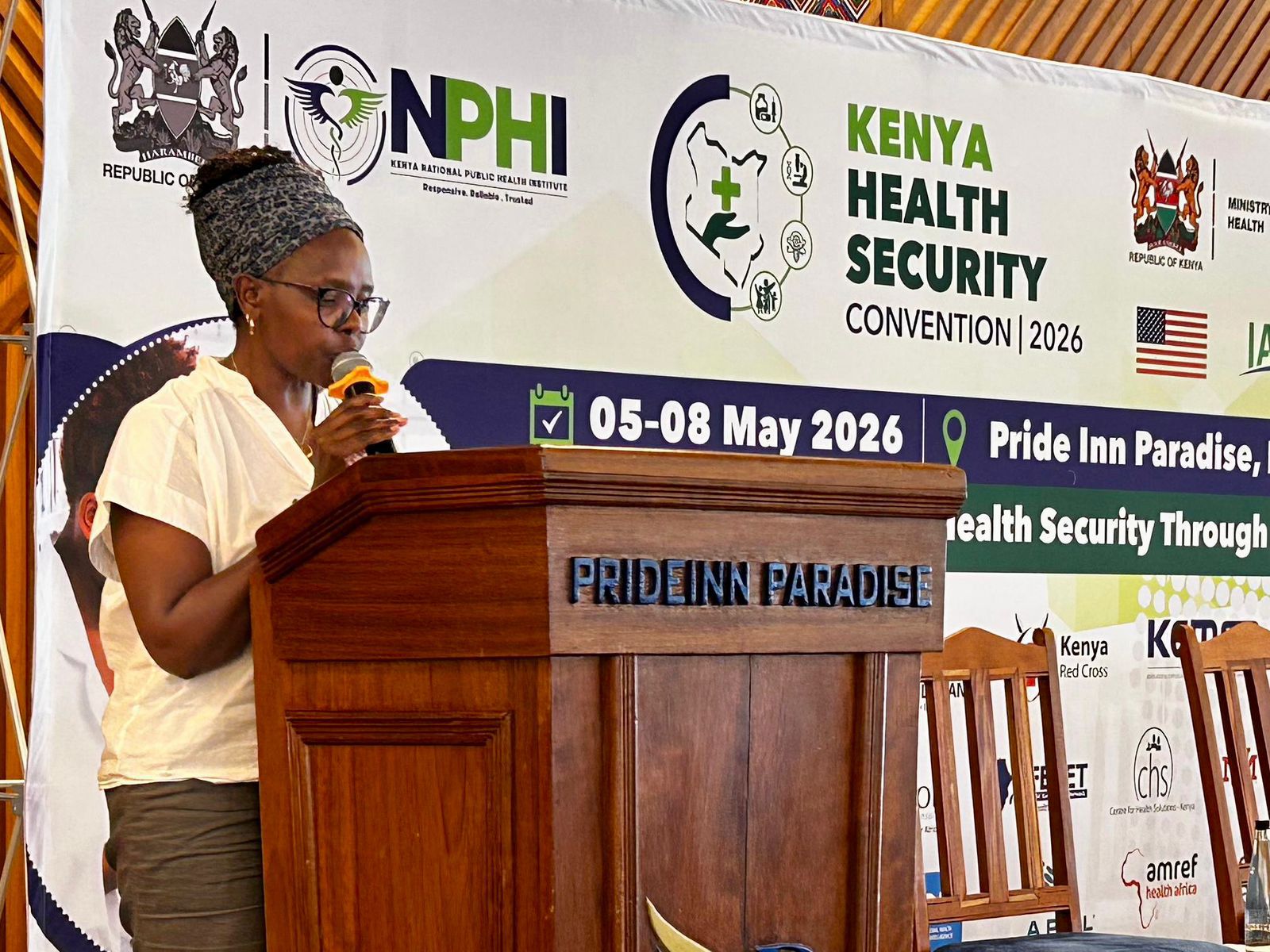 CDC Kenya Division of Global
Health Protection, Acting Programs Director Naomi Lucchi /HANDOUT
CDC Kenya Division of Global
Health Protection, Acting Programs Director Naomi Lucchi /HANDOUTThe United States has reaffirmed its commitment to supporting Kenya’s health sector, announcing continued investments in disease surveillance, HIV treatment, malaria control and emergency response systems.
Speaking during the inaugural Kenya Health Security Convention in Mombasa on Tuesday, Acting Program Director for the CDC Kenya Division of Global Health Protection, Dr Naomi Lucchi, said the US remained a key partner in strengthening Kenya’s health systems and preparedness against disease outbreaks.
Lucchi said the US government is investing approximately $290 million (Sh33.9 billion) this year alone in Kenya’s health programmes.
“The United States is here as an ally and partner to Kenya, especially in the health sector, just as we have been for decades,” Lucchi said.
She added that the US had not abandoned health programmes in Kenya despite concerns in some quarters over shifts in global aid priorities.
“The United States has not abandoned health programmes in Kenya, and we’re working to do more,” she said.
According to Lucchi, the US-Kenya Health Cooperation Framework currently carries an overall investment of approximately $1.6 billion (Sh206.5 billion), including support for global health security systems.
The official said the funding supports programmes targeting HIV, tuberculosis, malaria, influenza, disease outbreak surveillance and maternal and child health.
She noted that through collaboration with the Kenyan government, about 1.3 million Kenyans living with HIV are currently accessing life-saving treatment, while more than 150,000 children have been born HIV-free.
Lucchi further said malaria prevalence in Kenya reduced by 50 per cent between 2010 and 2020 due to joint interventions between the two countries.
“No other country has devoted so much of its own resources to saving Kenyan lives and to helping build a lasting, durable, effective and resilient health system here,” she said.
The convention brought together health experts, government officials, scientists and development partners to discuss strengthening preparedness against emerging health threats.
Lucchi said recent alerts involving mpox and Marburg disease demonstrated Kenya’s improved outbreak response capacity.
“During recent mpox and Marburg alerts, detection was faster, coordination was stronger, and response was immediate,” she said.
She attributed the improved response to investments in laboratory systems, disease surveillance, field epidemiology training and emergency operations centres across counties.
According to the CDC official, Kenya now has 26 Emergency Operations Centres spread across 25 counties to coordinate responses during public health emergencies.
“It happens because the right systems are in place: laboratory networks that can quickly identify threats, field epidemiologists who move fast when it matters most, and surveillance systems that enable early action,” Lucchi said.
She said the US has supported the establishment of the Kenya National Public Health Institute and the training of field epidemiologists through the Field Epidemiology and Laboratory Training Programme.
Lucchi stressed that health security goes beyond responding to crises and requires long-term investment in systems capable of withstanding future shocks.
“Health security rarely makes headlines when it’s working. It becomes visible only in moments of crisis when an outbreak spreads or systems are compromised,” she said.
She warned that emerging threats, including infectious diseases and climate-related risks, will require stronger preparedness and collaboration between nations.
“As new threats emerge from infectious diseases to climate-related risks, readiness will matter even more,” Lucchi said.
She congratulated the Kenyan government and the Kenya National Public Health Institute for organising the inaugural convention and reaffirmed the US commitment to continued cooperation in protecting public health.
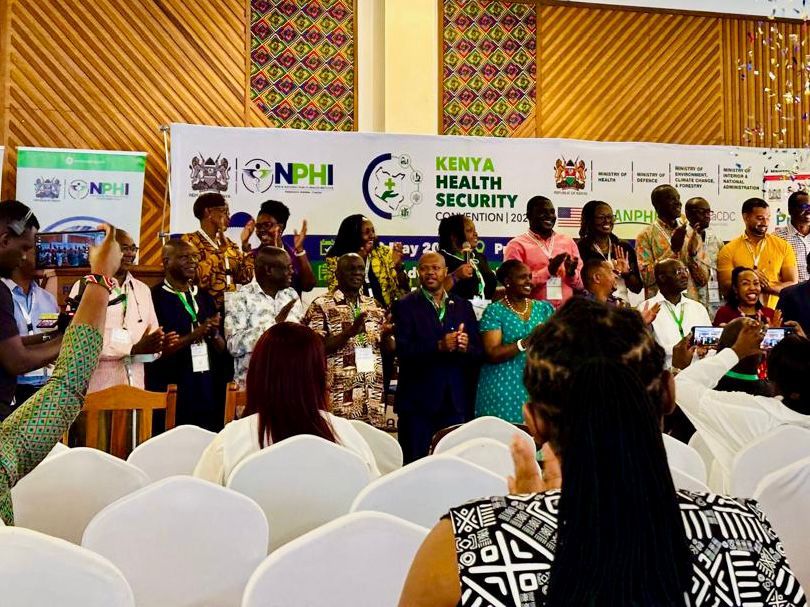 The inaugural Kenya Health Security Convention in Mombasa on May 5, 2026/ HANDOUT