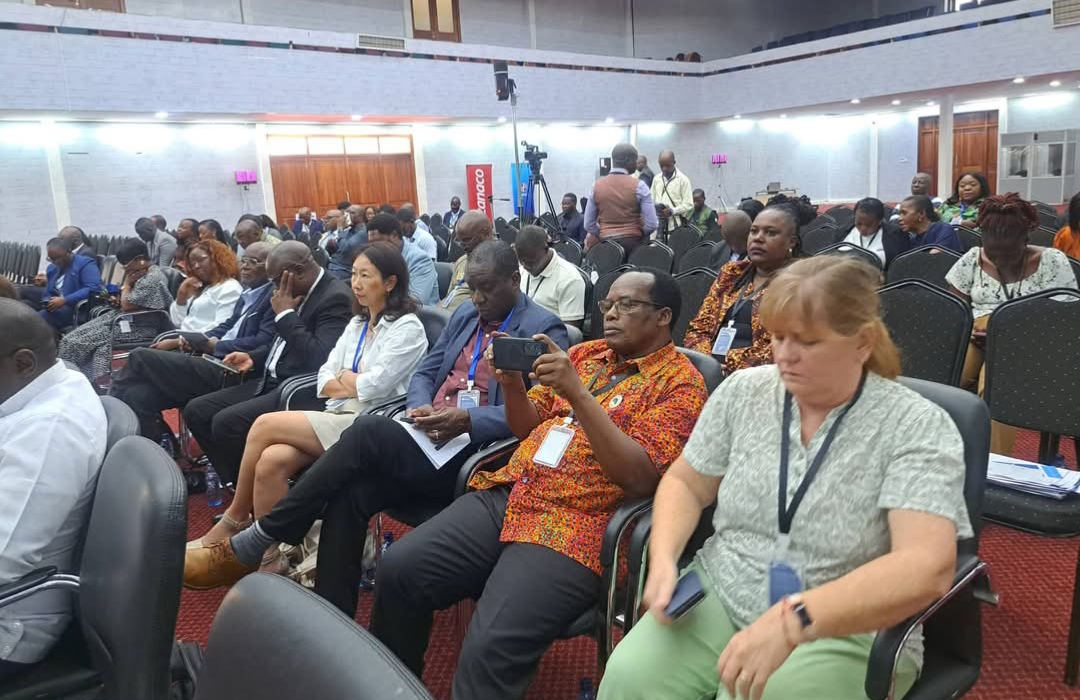
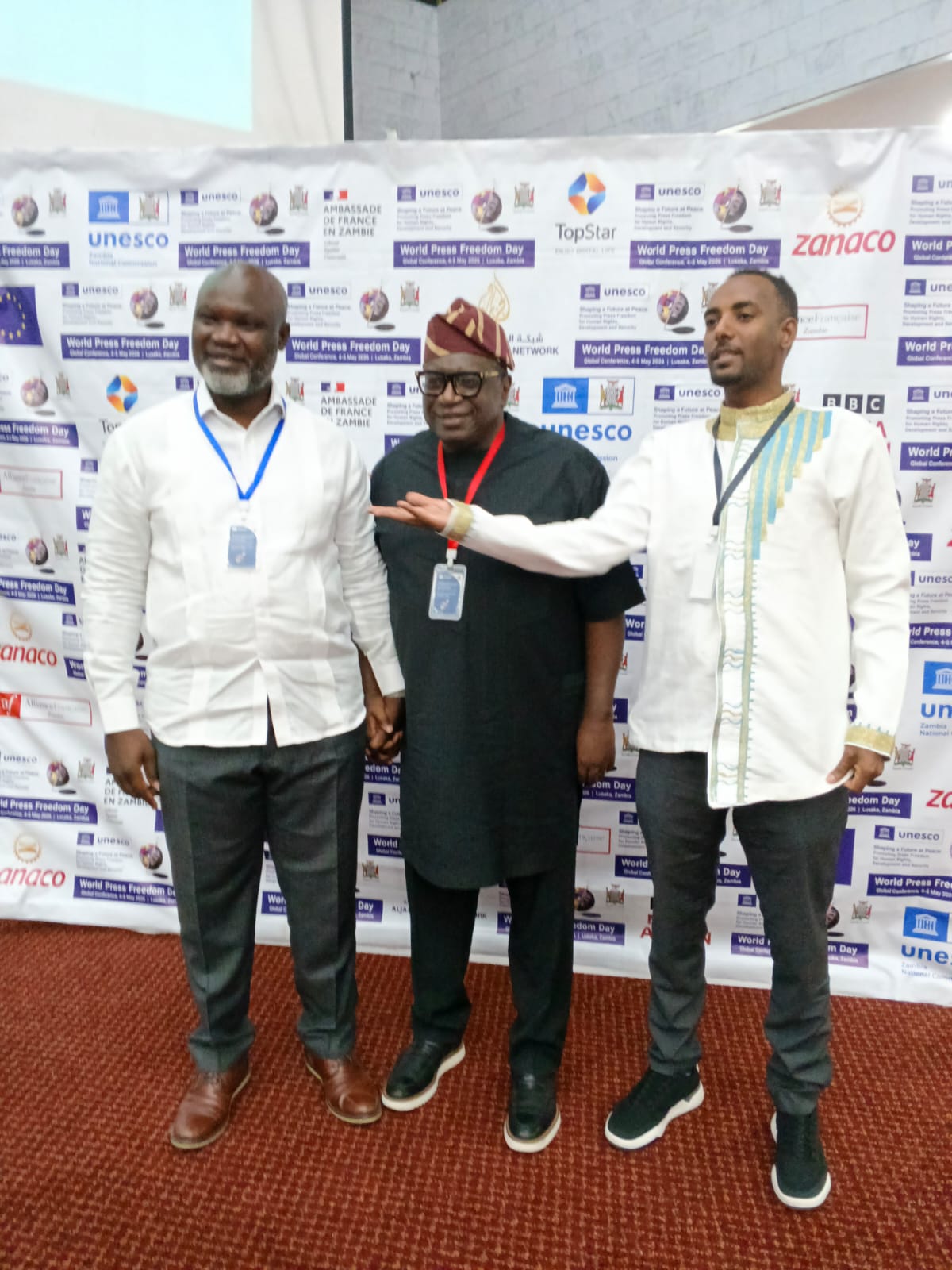
Calls for greater commitment by governments to promote press freedom, freedom of expression and access to information dominated discussions at the World Press Freedom Day 2026 conference that ended this week in Lusaka.
The conference brought together speakers from UNESCO, the African Union, media organisations and civil society groups.
Participants raised concern over increasing challenges facing journalists and the media sector, saying the trends were constraining press freedom and freedom of expression at a time when credible information was urgently needed.
This year’s theme, “Shaping a Future at Peace: Promoting Press Freedom for Human Rights, Development and Security,” focused on ongoing conflicts and wars in different parts of the world and their impact on humanity.
The conference was affected by low attendance and logistical difficulties following the cancellation of the RightsCon conference by the Zambian government.
The government cited concerns over some participants and agenda items it said were not aligned with Zambia’s “national values”.
Many media organisations, human rights groups and civil society organisations that had planned to attend both conferences cancelled their participation at the last minute.
Others protested the government’s move, describing it as an attack on freedoms it claimed to support.
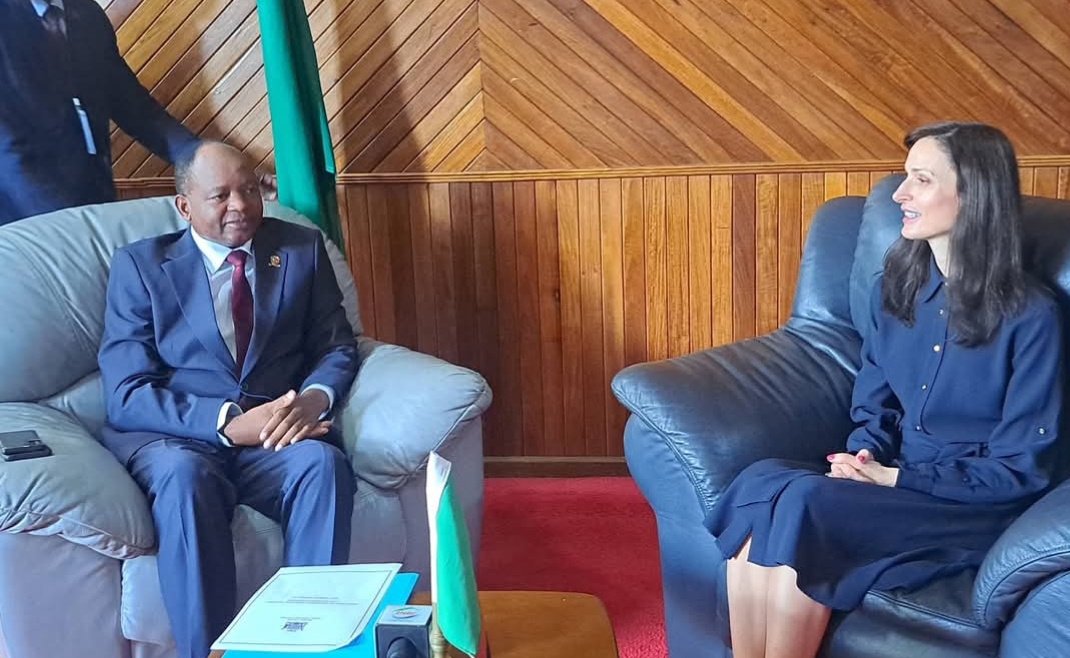
Mariya Gabriel reiterated UNESCO’s commitment to defending press freedom and promoting credible information through collaboration with stakeholders.
Takehiro Kano, who also chairs the International Programme for the Development of Communication, said efforts were ongoing to support initiatives aimed at strengthening the capacity of journalists and media organisations.
Zambia’s Minister of Information and Media, Cornelius Mweeta, said his country remained committed to press freedom, freedom of expression and human rights.
“As a host country, we reaffirm our steadfast commitment to freedom of expression and media freedom anchored on democratic tenets. But it is the responsibility and duty of all of us to ensure an environment where our citizenry is fed with accurate information to inform their decision-making in participating in national affairs,” he said.
The minister’s remarks came amid criticism over the abrupt cancellation of RightsCon, which created uncertainty and confusion and forced many delegates to cancel their travel to Lusaka.
During the conference, Chaloka Beyani warned against careless actions by both governments and the media that could trigger genocide.
He said sensational and inaccurate reporting, alongside the failure by states to respond to human rights violations and legitimate grievances, often contributed to acts of genocide.
A panel discussion on “Press freedom, Peace, Security and Economic Development,” moderated by Misako Ito, examined the role of journalism in conflict, crisis, recovery and peace-building situations.
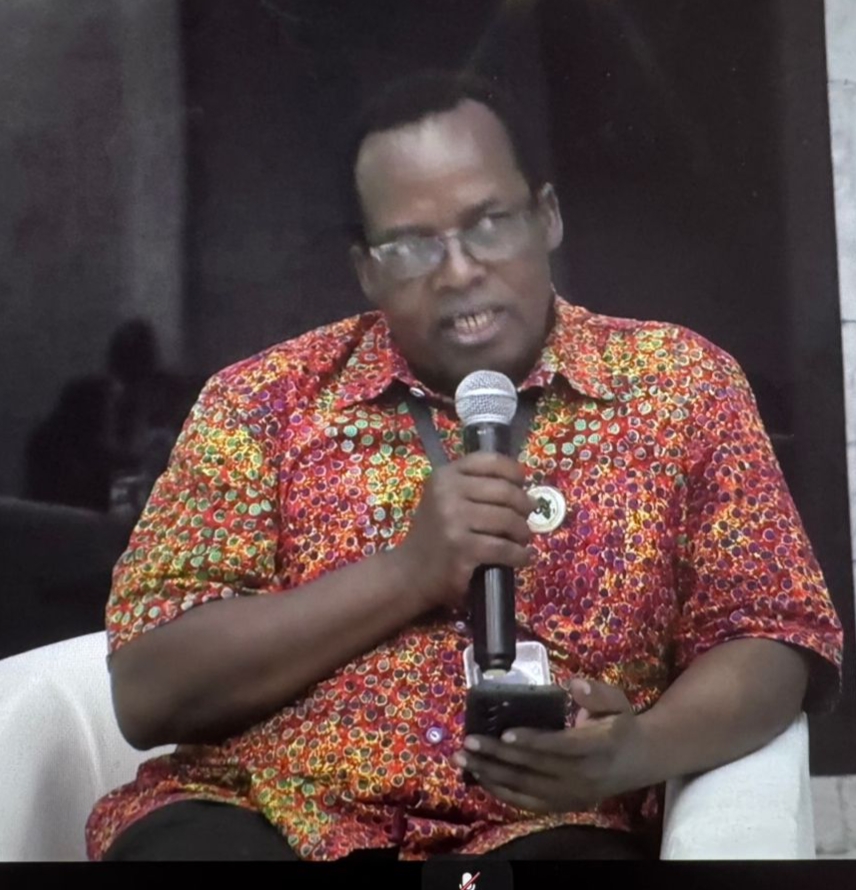
Oloo Janak, Director of Programs at Kenya Correspondents Association/HANDOUT
The panel discussed journalist safety and the fight against impunity, saying protection of journalists was closely linked to society’s right to information.
Panelists included Churchill Ewumbue-Monono, Gilbert Sendugwa, Phathiswa Magopeni Tshangana, Vera Slavtcheva-Petkova and Andrew Dabalen.
The conference also saw the launch of a report on the state of press freedom in Southern Africa led by Tabani Moyo.
The report highlighted economic difficulties facing media outlets, press freedom violations, gender disparities in the media industry and increasing state repression targeting media and human rights organisations.
The findings sparked sharp disagreements among panellists. Government representatives maintained that their administrations were committed to media freedom and freedom of expression while emphasising “accuracy and responsibility”.
Others argued that governments in the region were increasingly oppressive and had failed to guarantee press freedom and freedom of expression.
The conference also discussed digital transformation, artificial intelligence, information integrity, media viability, pluralism and inclusion.
Speakers explored ways of building independent and diverse media ecosystems through support for local and community media, gender equality, inclusion of marginalised voices and policies aimed at strengthening long-term resilience in the media sector.