 Abdullahı Maalim, a governance and policy expert with 25+ years of experience in public administration, devolution, and institutional reform. /HANDOUT
Far beyond the dust and difficult roads of Northern Kenya lies Bute — a quiet but steadily rising town in Wajir County whose story rarely makes national headlines. Situated roughly 180 kilometres north of Wajir town and strategically positioned along the route toward Moyale, the busy border town linking Kenya and Ethiopia, Bute is gradually becoming an important commercial and transit centre in the region.
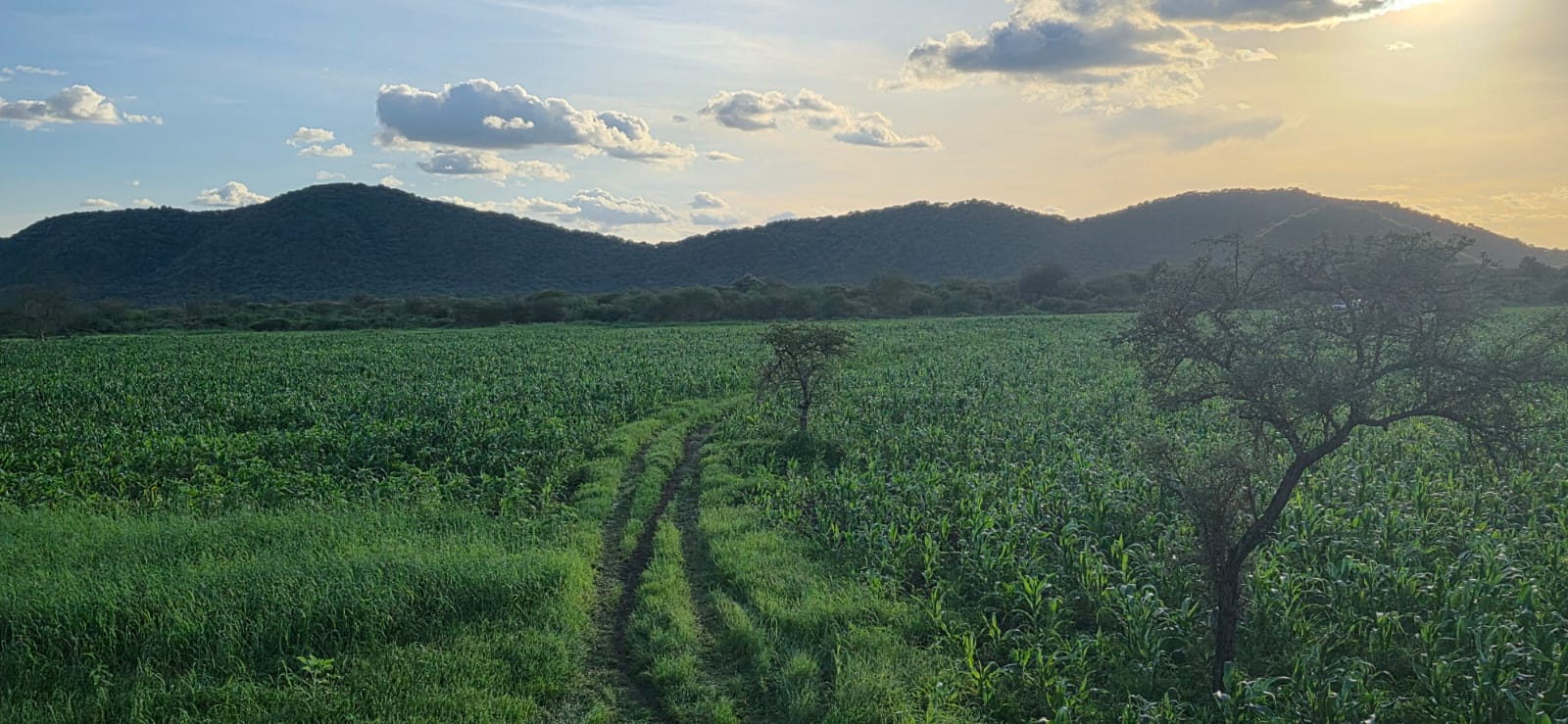
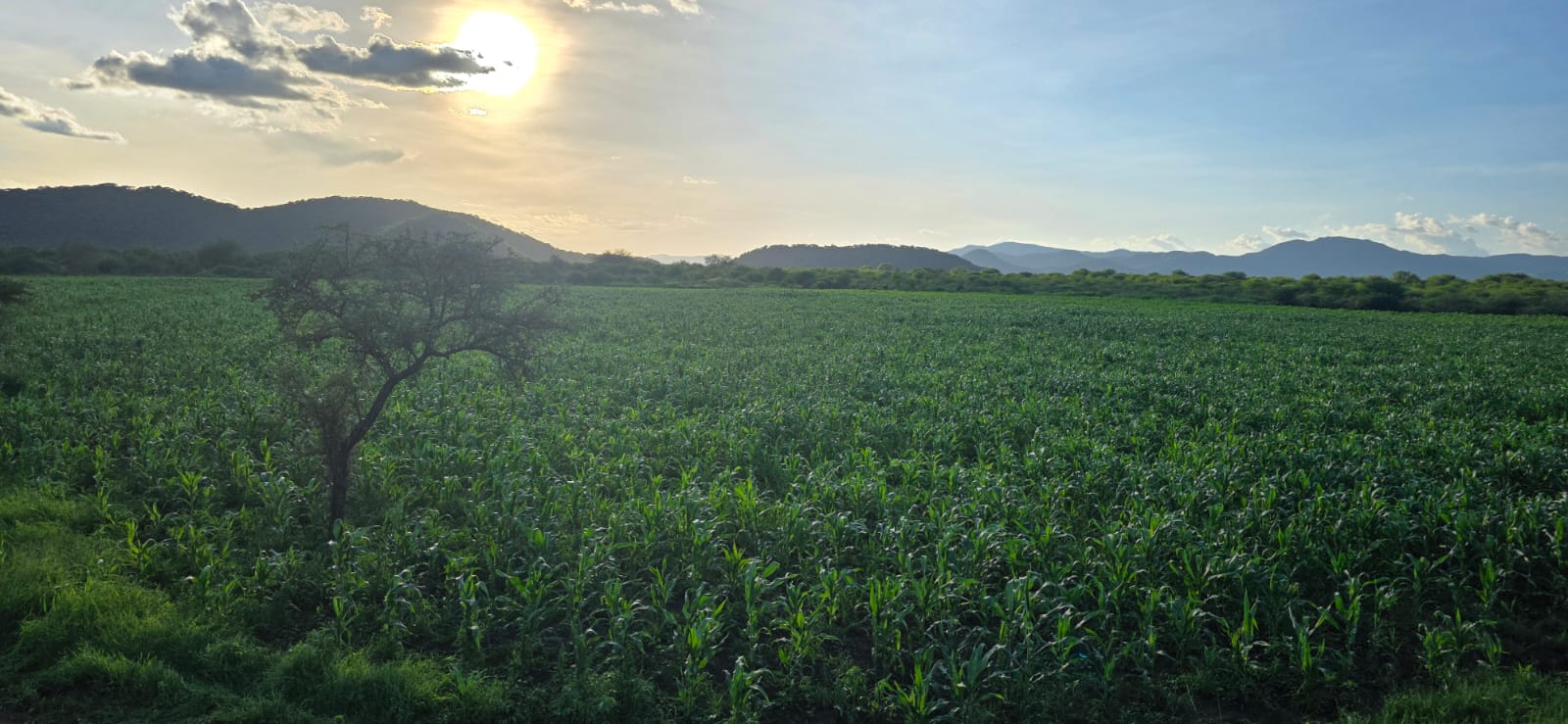
The town rests beneath a chain of rocky hills that give the area a striking landscape unlike many parts of the expansive northern frontier. Travellers approaching Bute are often greeted by sweeping views of dry plains interrupted by rugged elevations that appear to stand guard over the settlement. Despite its remote setting, the town carries an unmistakable sense of ambition and movement.
What is increasingly becoming evident is that Bute is no longer merely a stopover town. It is slowly evolving into a place of enterprise, investment and possibility.
Among the clearest signs of this transformation is Megan Farm, a vast agricultural venture stretching across more than 50 acres on the outskirts of the town. In a region commonly associated with drought, harsh weather and food insecurity, the sight of thriving crops emerging from the dry northern soil feels almost unexpected.
Rows of cultivated farmland now cut across terrain many would have dismissed as unproductive. The farm stands as a practical demonstration that Northern Kenya’s potential has long been underestimated. With proper planning, water management and determination, agriculture can flourish even in areas historically considered unsuitable for large-scale farming.
Beyond food production, the farm represents something deeper for the local community — a shift in mindset. It challenges long-held assumptions that economic survival in the North must depend solely on pastoralism and relief support. Megan Farm is steadily showing that the region can diversify its economy and build local resilience through innovation and private initiative.
Not far from the farm is another symbol of Bute’s quiet transformation — Bute Palace Hotel.
Nestled within the town’s scenic hilly environment, the hotel offers a level of hospitality that surprises many first-time visitors. Clean rooms, well-prepared meals and professional service have helped the establishment earn admiration among travellers and professionals working across the northern corridor. The hotel has also become an important meeting point for businesspeople, development partners and government officials traversing the region.
Together, these investments are helping redefine the image of Bute from a remote northern outpost into a town with growing economic promise.
Yet, despite these encouraging developments, one challenge continues to cast a long shadow over progress in Northern Kenya: poor road infrastructure.
The road connecting Wajir to Bute remains rough, exhausting and in many sections difficult to navigate, particularly during adverse weather conditions. What should serve as a strategic economic corridor toward Moyale and the Ethiopian border instead becomes a costly and time-consuming journey for transporters, traders and ordinary travelers.
This infrastructure gap continues to slow the pace of development in a region that is clearly demonstrating its willingness to grow. The irony is difficult to ignore: while local entrepreneurs and communities are investing their energy and resources into transforming the North, the basic infrastructure needed to support that transformation remains inadequate.
Bute’s story today is therefore one of both promise and frustration. Promise because the town is steadily proving that Northern Kenya possesses enormous untapped economic potential. Frustration because that potential continues to move at the speed of broken roads.
Still, amid the dust and distance, Bute is quietly changing its narrative. Farms are growing. Businesses are emerging. Hospitality is improving. Trade routes are expanding. And beneath the hills of this northern town, a different future is beginning to take shape.
The writer is a governance and policy expert with 25+ years of experience in public administration, devolution, and institutional reform