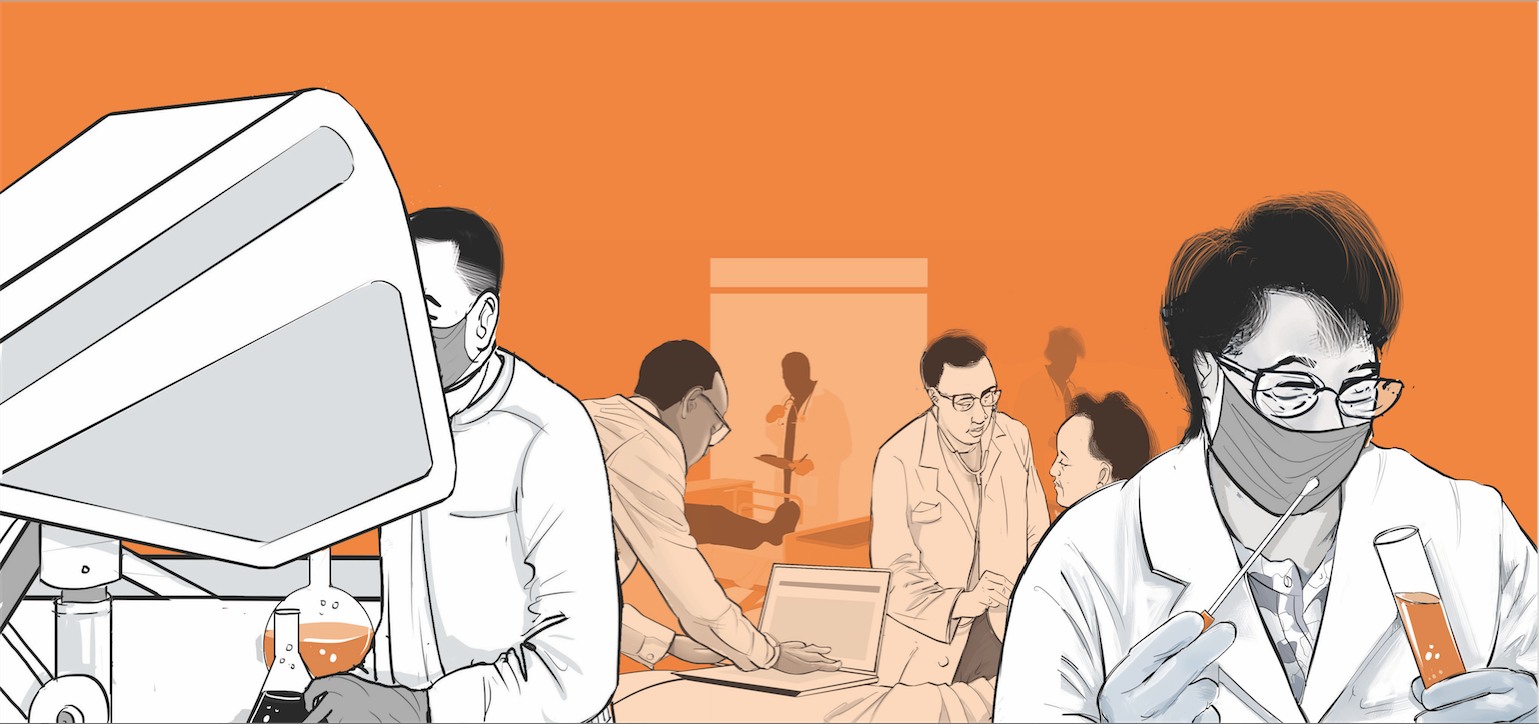
Kenya stands at a defining moment in its development journey as middle income transiting to first world class status. As we pursue the ambitions of Vision 2030 and the Bottom-Up Economic Transformation Agenda, one truth is becoming increasingly clear—no country has transitioned to high-income status without placing science, research and innovation at the centre of its economic strategy.
For Kenya, the question is no longer whether to invest in research, but how urgently and how effectively we can build a research ecosystem that delivers real impact for society. The good news is we have a Visionary leader, President William Ruto, who understands and is fully committed to this thinking.
Globally, the most competitive economies — such as South Korea, Singapore and Germany — have demonstrated that sustained investment in research and development, often exceeding two per cent of GDP, is the foundation of productivity, industrialisation and global competitiveness.
In contrast, Kenya’s and Africa’s gross expenditure on research and development remains below one per cent of GDP. This gap is not merely a statistic; it reflects missed opportunities in agriculture, healthcare, manufacturing, energy and digital transformation.
Listening to President Ruto delivering his public address in Rome, captured this challenge succinctly when he noted that “the greatest barrier to development today is not lack of opportunity, but the prohibitive cost of financing that locks countries out of progress.” This reality is particularly evident in the research sector, where limited and fragmented funding constrains the ability of universities and research institutions to generate solutions at scale.
Our research ecosystem is anchored by institutions such as the National Commission for Science, Technology and Innovation, the National Research Fund, the Kenya National Innovation Agency, more than 80 universities, and at least 22 specialised research institutes.
Yet the system faces structural challenges, including inadequate funding, weak industry linkages, fragmented coordination and limited commercialisation of research outputs.
Too often, excellent research remains confined to academic journals instead of translating into products, enterprises and policies that improve livelihoods. In the long run, we will need to place all research institutions under one umbrella department, break the silos, build synergies and ensure better coordination.
Reform must begin with financing. We must progressively increase investment in science, technology and innovation to at least two per cent of GDP, with clear allocation frameworks that support research grants, infrastructure, human capital development and innovation commercialisation.
Beyond public funding, there is a need to crowd in private sector investment through incentives, public-private partnerships and blended finance models. The recently established National Infrastructure Fund provides an opportunity to rethink financing—shifting from debt-driven models to investment-led approaches that can also support research and innovation infrastructure.
There is hope to change the landscape of research and innovation infrastructure in Kenya. The State Department of Science, Research and Innovation is providing leadership in this area. While in Rome, I signed a declaration on partnership with the Minister for University and Research, Anna Maria Bernini, to implement areas of mutual interest, including mobility of students, researchers and scientists in both directions.
Equally critical is the role of universities. As President Ruto emphasised in Rome, “universities must become engines of production, innovation and enterprise—not just centres of instruction.” This requires a fundamental shift in how universities operate: aligning curricula with industry needs, strengthening applied research and fostering entrepreneurship among students and faculty.
I have advocated research chairs, centres of excellence and innovation hubs to be scaled up and better integrated into national development priorities. After all, we are looking at the socialisation of science and the positive impact on society.
Capacity building is another cornerstone. Kenya must invest deliberately in developing a critical mass of researchers, scientists and innovators, while also addressing the persistent challenge of brain drain. This includes strengthening postgraduate training, expanding research funding opportunities and creating attractive career pathways within the country.
At the same time, the diaspora presents a powerful opportunity for knowledge transfer, collaboration and investment. Currently, we are doing around 500 PhD per year. With research fund, we target to do 100 PhD per million population in the next few years.
Collaboration and synergies across institutions are essential. A well-functioning research ecosystem requires strong linkages between government, academia, industry and communities—the so-called quadruple helix. Counties, in particular, have a critical role to play in identifying local challenges and supporting context-specific innovations, especially in agriculture, health, the blue economy and climate resilience. These will be well constructed in a cluster approach and centres of excellence.
I must emphasise that the purpose of research is not knowledge for its own sake, but impact on society. Whether it is reducing post-harvest losses, which stand at around 30 per cent, improving healthcare delivery, enhancing climate resilience or creating jobs for young people, research must be directed towards solving real problems.
This requires stronger mechanisms for translating research into policy, products and enterprises. I have constantly repeated this narrative, and will continue to do so. I think it has started to sink in for many of our researchers.
As President Ruto rightly observed, “the future of Africa will not be determined by aid, but by investment in knowledge, skills and innovation.” For Kenya, this is both a challenge and an opportunity. By building a robust, well-funded and coordinated research ecosystem, we can unlock the full potential of our people, drive inclusive growth and position our country on a firm path to high-income status by 2055.
The time for incremental change has passed. What is needed now is bold, decisive action to transform research into a central pillar of Kenya’s economic and social development. We must do what is right, not necessarily popular; we need to invest in research and innovation to leapfrog to first-class status.
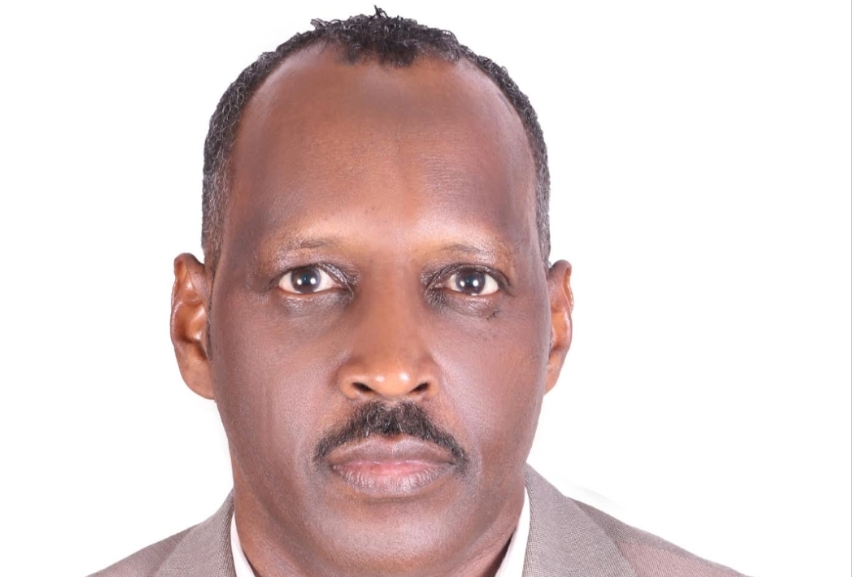
PS Science, Research and Innovation | [email protected]


Comments 0
Sign in to join the conversation
Sign In Create AccountNo comments yet. Be the first to share your thoughts!