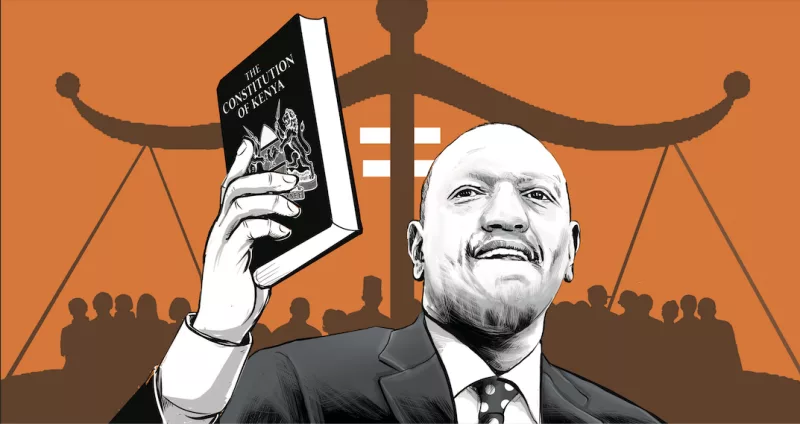
Sixteen years on, Kenya’s constitution, widely hailed as progressive, should be delivering tangible guarantees of dignity and justice, but that’s not necessarily the case.
Articles 26 and 29 guarantee the right to life and protection from violence, while Article 19 obligates the state to uphold rights. Articles 10 and 27 affirm equality and non-discrimination, and security provisions bind state organs to human rights.
Land and conflict clauses further reinforce this framework; however, persistent violence has made glaring a troubling gap between constitutional promise and lived reality.
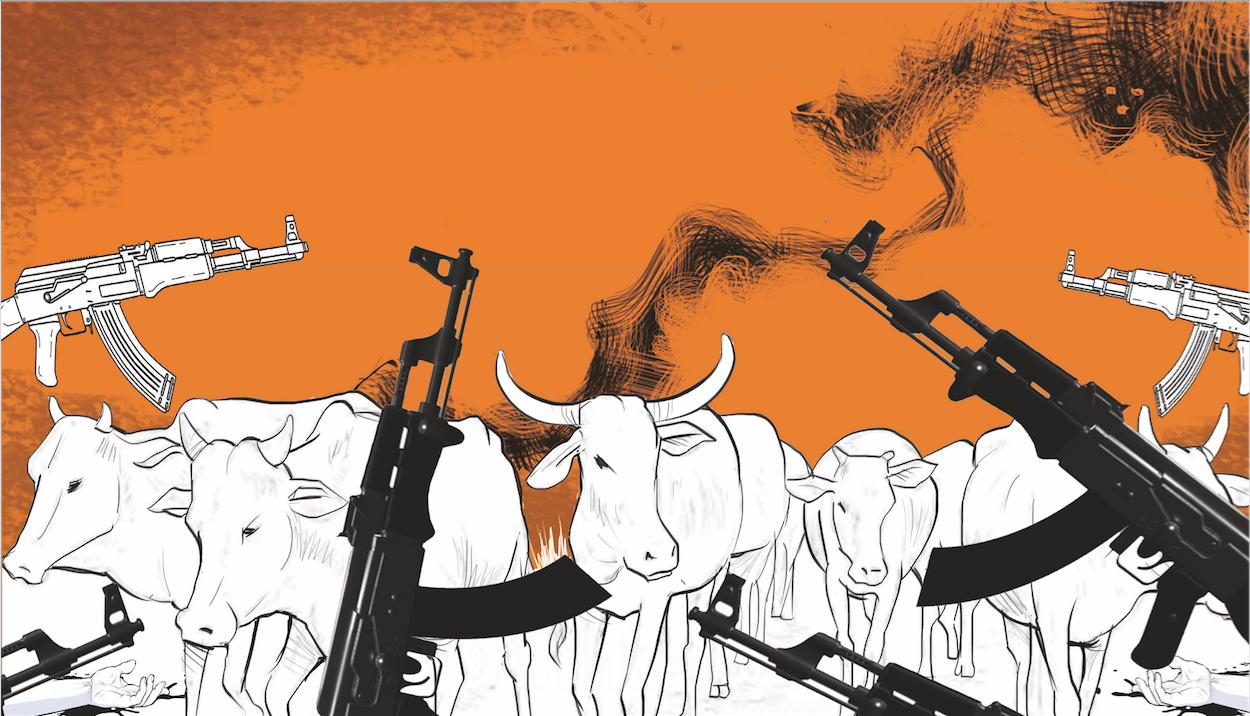
Recent violence in Mwingi, in Kwa Kamare, Tseikuru subcounty, has left at least seven people dead, several injured and families displaced. Often framed as intercommunal clashes between Kamba and Somali communities, such accounts mask a human rights crisis, one in which the state’s duty to protect life is repeatedly failing.
This violence mirrors earlier episodes in Sondu along the Kisumu-Kericho border and the Tana River conflicts of 2012 and 2013, where Pokomo and Orma clashes over resources led to killings and displacement, with recurring tensions.
Since 1992, more than 5,000 people have been killed and over 75,000 displaced in the Rift Valley, with Molo as a flashpoint driven largely by land disputes. In 2012, over 40 people died in Samburu, while in 2017, 13 were killed in Baringo during cattle rustling attacks. Marsabit, West Pokot and Baringo continue to witness periodic violence.
But these were preventable cycles of loss and displacement. They were driven by systemic governance failures, including competition over water and grazing land, weak dispute-resolution systems, delayed security responses and the proliferation of small arms, which fuelled cycles of retaliation.
The human cost is severe. Displacement, destroyed homes and disrupted livelihoods affect thousands as markets and roads close amid fear. Retaliatory attacks undermine individual accountability.
Kenya is not alone. Across Africa, similar conflicts reveal shared patterns and evolving responses. In Ethiopia, pastoral violence has been addressed through combined security operations and elder-led mediation, sometimes integrated into local governance to de-escalate tensions before they turn violent.
Nigeria, confronting farmer-herder clashes that have killed over 10,000 people in the past decade, has adopted task forces and regulations on land use. In all these jurisdictions, security responses alone are insufficient. Credible systems are needed to manage land and resource competition.
Kenya’s approach, however, remains reactive. Security interventions are deployed after violence erupts, while long-term investments in local justice mechanisms, early warning systems and inter-community trust-building remain limited or inconsistent. Stability is often temporary, holding only until the next trigger emerges.
This gap is worrying as elections approach. Political seasons heighten tensions and reshape grievances into ethnic narratives. The 2007-08 post-election violence, which killed over 1,100 people and displaced more than 600,000, reminds us how quickly instability can escalate and fracture national cohesion.
In addition, recent political rhetoric is raising the stakes, as politicians' framing shapes negative perceptions of their opponents, which can inflame fragile situations.
Against this backdrop, counteracting violence requires shifting from reactive to preventive approaches. This includes institutionalising and adequately funding county-level early warning and response systems, strengthening community-based peace committees with formal state backing, and ensuring independent oversight of security operations for timely, rights-based responses.
It also demands political restraint and responsibility, especially during election periods. If the constitutional promise of security and dignity for all is to be meaningful, the measure of the state’s response cannot be how quickly it responds after violence erupts, but how effectively it prevents it
Programme Manager for Political Accountability in State Institutions at the Kenya Human Rights Commission