
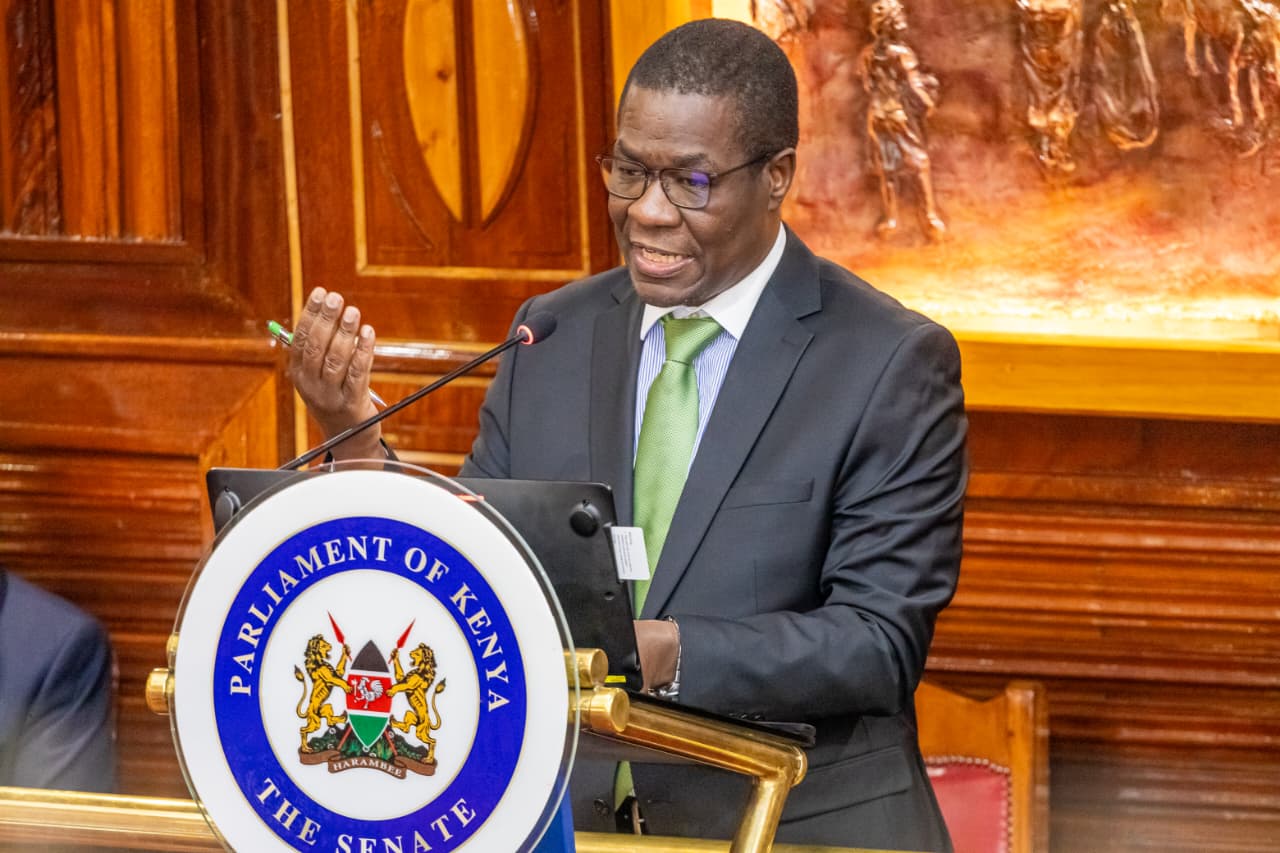
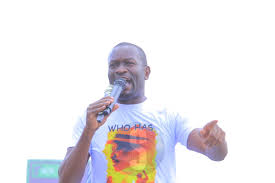
Energy CS Opiyo Wandayi has defended the government’s decision to back the construction of a regional oil refinery in Tanga, Tanzania.
Appearing in the Senate plenary on Wednesday, he argued that the project will serve the broader East African Community and help lower fuel costs across the region.
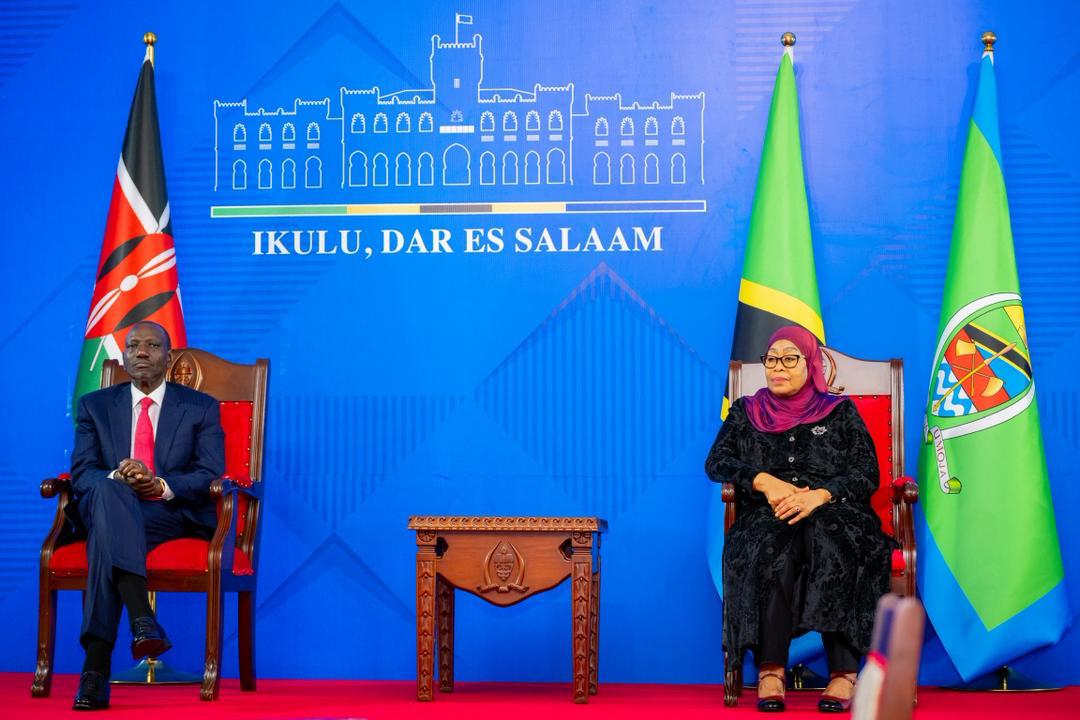
The move follows President William Ruto’s recent remarks in Tanzania, where he revealed that Kenya and Uganda were prioritising the Tanga refinery over reviving or expanding the defunct Mombasa refinery.
The President said the decision aligns with a regional infrastructure strategy aimed at ensuring cheaper and more sustainable energy for EAC member states.
While Mombasa would ordinarily be Kenya’s preferred location, Ruto noted that Tanga—located less than 200 kilometres away—falls within the same economic corridor linking Kenya, Tanzania, Uganda, Rwanda and Burundi, making it a practical alternative for a shared refinery.
Wandayi said the Mombasa refinery was no longer economically viable, explaining that a functional refinery requires a minimum of 300,000 barrels of crude oil per day—far above what any country in the region can currently produce.
“Kenya will soon begin commercial oil production in South Lokichar at about 20,000 barrels per day, which is far below the threshold needed to sustain a refinery,” he stated.
“That is why the government is supporting the Tanga project, which will serve the entire region.”
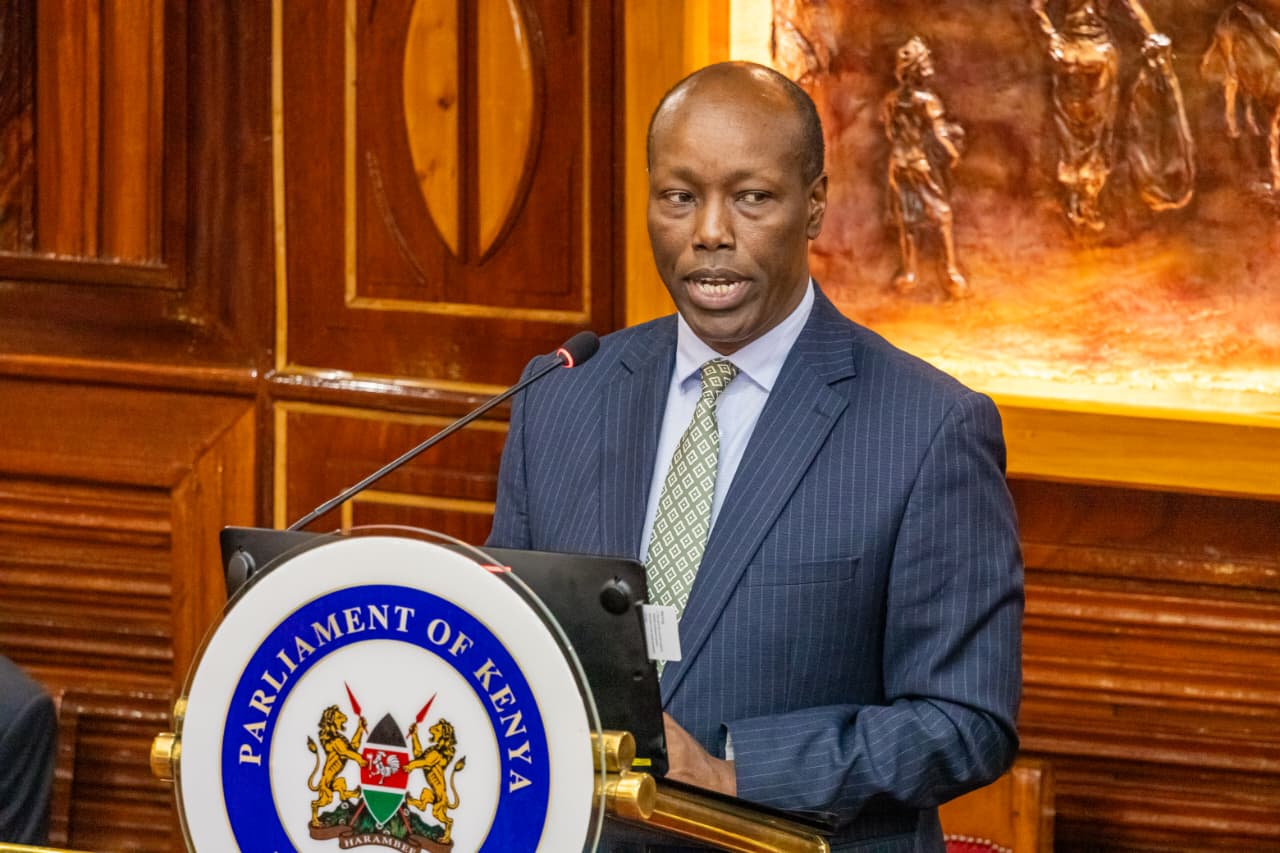
The CS was responding to a question by Mombasa Senator Mohammed Faki, who sought clarification on why Kenya was supporting a refinery in Tanzania while leasing out the Mombasa facility to a Nigerian firm instead of reviving it.
Wandayi explained that refining crude oil in Tanga and transporting finished petroleum products through existing regional pipelines to Mombasa and the hinterland would be more cost-effective than attempting to rehabilitate the ageing Changamwe refinery.
The facility has since been converted into a storage and distribution hub.
Despite concerns over limited prior consultation with Tanzania, the Kenyan government maintains that a single, large-scale refinery in Tanga offers the most viable path to reducing fuel prices and ending East Africa’s heavy reliance on imported refined petroleum products.
Ruto described the proposed refinery as a strategic investment that will enhance industrialisation and strengthen energy security across the region.
His remarks came amid reports of diplomatic unease, including Tanzanian President Samia Suluhu contradicting the manner in which the proposal was communicated.
Ruto, however, emphasised that the project would deepen bilateral cooperation, pointing to the signing of eight Memoranda of Understanding between Kenya and Tanzania and ongoing efforts to eliminate trade barriers.
Currently, East African countries spend billions annually importing refined oil from the Middle East.
The proposed refinery, Ruto said, would allow the region to process its own crude, shielding local economies from global price shocks and supply disruptions caused by geopolitical tensions.
In addition to reducing import dependency, the refinery is expected to cut costs associated with shipping, insurance and intermediaries, ultimately lowering fuel prices for consumers across the bloc.
The project has also attracted interest from Nigerian billionaire Aliko Dangote, whose involvement could boost its financial and technical viability.
Dangote recently completed one of the world’s largest refineries in Nigeria, raising optimism about replicating a similar model in East Africa.
Meanwhile, Wandayi updated the Senate on progress in electricity connectivity, revealing that more than 10 million households are now connected to power, up from 8.4 million when the Kenya Kwanza administration took office in August 2022.
He said the country has achieved 75 per cent electricity coverage and remains on track to meet its Vision 2030 target of universal access.
The CS was responding to Kakamega Senator Boni Khalwale, who sought assurance on the government’s commitment to achieving 100 per cent connectivity.
Wandayi also addressed concerns over frequent power outages in parts of Nairobi following heavy rains and flooding.
Nominated Senator Hamida Kibwana had questioned the ministry on measures taken to safeguard electricity infrastructure from extreme weather.
The CS attributed the outages to flooding in substations located in areas where urban development has disrupted natural water drainage.
He said stormwater overflow had affected key substations supplying electricity to South C, Lang’ata Road, Upper Hill, South B, Industrial Area, Ridgeways, Jogoo Road, Mlolongo, Mavoko and Katani.
According to Wandayi, flooding damaged power equipment, including medium-voltage switchgear and underground cables, leading to widespread outages.
He assured senators that the government, in collaboration with Kenya Power, is implementing measures to reinforce infrastructure resilience and minimise disruptions caused by adverse weather conditions.
INSTANT ANALYSIS
Energy CS Opiyo Wandayi defended Kenya’s support for a regional oil refinery in Tanga, Tanzania, saying Mombasa is economically unviable due to low crude output. He argued that the project will serve the EAC and reduce fuel costs by cutting import dependence. President Ruto said Tanga offers regional efficiency despite diplomatic concerns over consultation. Wandayi also reported 10 million household electricity connections and blamed flooding for recent power outages affecting Nairobi substations.
Comments 0
Sign in to join the conversation
Sign In Create AccountNo comments yet. Be the first to share your thoughts!