
Efforts by opposition leaders to form a united front against President William Ruto are facing inherent challenges, as competing ambitions and political interests threaten to derail plans for a single presidential candidate.
Behind the scenes, intense negotiations are ongoing to craft a formidable coalition capable of taking on Ruto and his deputy, Kithure Kindiki.
But the push to consolidate various factions into one alliance is proving complex, with key principals jostling for position in what is shaping up to be a high-stakes political contest.
The already crowded opposition field—led by DCP boss Rigathi Gachagua and Wiper leader Kalonzo Musyoka—is exploring a mega alliance.
The United Opposition has been grappling with the identification of a candidate to face Ruto in the 2027 General Election.
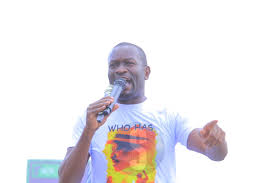
Now, the team is drawing in Nairobi Senator Edwin Sifuna’s Linda Mwananchi faction within ODM – and other opposition forces – as leaders seek to pool their support bases and avoid splitting votes.
“It is true, talks have been going on, but I must say they are still informal. A formal meeting will only happen when we call for a retreat as the opposition,” Kakamega Senator Boni Khalwale confirmed.
The overarching strategy is to present a single challenger against Ruto, minimising the risk of a fragmented opposition that could hand the incumbent an easy path to re-election.
“We don’t want a ballot paper that has many names to tire Kenyans. We only need two names—the incumbent and one from the opposition. That will follow deep talks,” Sifuna said recently.
However, the unity push is already exposing challenges, particularly over who should carry the opposition’s presidential flag.
Sources within the coalition indicate that Kalonzo Musyoka is being fronted by some as the most suitable candidate, owing to his long political experience and national profile.
But this position is not universally accepted.
A growing faction within the opposition views Sifuna as a viable alternative, citing his rising popularity, especially among younger voters, and his ability to connect with grassroots supporters through the Linda Mwananchi movement.
“Sifuna is seen as energetic, bold and capable of connecting with the youth across the country,” a source privy to the talks said.
His recent rallies have drawn large crowds, signalling what strategists believe could translate into a significant voting bloc in 2027.
Political observers argue that his direct and confrontational style resonates with a generation increasingly impatient with traditional politics.
“Sifuna represents more than a voice. He represents a direction. His style—direct, unfiltered and often confrontational—resonates with a younger, more impatient constituency,” political analyst Prof Gitile Naituli said.
Another analyst, Martin Andati, believes Sifuna’s political trajectory places him firmly in the 2027 race.
“Sifuna has a very bright future ahead of him, although he needs some experienced hands like James Orengo and others to guide him as he navigates national politics,” Andati said.
“It is highly likely that he will be on the ballot, either as President or running mate.”
Sifuna himself has maintained that unity remains the opposition’s best weapon against Ruto, even as speculation about his presidential ambitions grows.
“We must be one force against William Ruto. We must defeat him by at least five million votes to truly send a message. Linda Mwananchi’s goal is not to split votes,” he said in a recent television interview.
Yet his potential bid is likely to create friction with Kalonzo Musyoka and his allies.
As one of the most experienced politicians in the opposition camp, Kalonzo is widely regarded as a natural presidential contender, having previously served as Vice President and as Raila Odinga’s running mate in two elections.
“It is obvious, Kalonzo is the most experienced. He is presidential. Everyone wants him to be the president. But we will sit down as the opposition. What we want is one term for Ruto,” Makueni Senator Dan Maanzo said.
Beyond Kalonzo and Sifuna, several other heavyweights are eyeing the top seat, further complicating coalition talks.
They include former Deputy President Rigathi Gachagua, DAP-K leader Eugene Wamalwa, Democratic Party leader Justin Muturi, and People’s Liberation Party (PLP) leader Martha Karua.
Gachagua, in particular, has insisted he will be on the ballot, even as he signals openness to working with like-minded leaders.
His candidacy, however, hinges on the outcome of a court case challenging his impeachment. He is seeking to quash the impeachment to allow for his candidacy.
Should he succeed in overturning the impeachment, Gachagua is expected to mount a strong bid, leveraging his influence in the vote-rich Mt Kenya region.
His political grip on the region, combined with its historical role in financing presidential campaigns, makes him a critical player in opposition calculations.
Analysts say Mt Kenya is likely to demand a significant stake in any coalition arrangement.
Gatanga MP Edward Muriu, a close ally of Gachagua, downplayed claims that the region is bargaining for positions.
“Asking what we will get is reducing a national conversation to a person or region. Our aim in the opposition is to form a mega coalition and agree on the presidential candidate,” Muriu said.
“We are not preoccupied with who will be what. Our agenda and objective is to
rescue this country.”
Another emerging contender is former Interior Cabinet Secretary Fred Matiang’i, who is steadily gaining traction across different constituencies.
Often referred to as “Mr Fix It” during former President Uhuru Kenyatta’s administration, Matiang’i is credited with a tough, results-driven leadership style that appeals to sections of the electorate seeking decisive governance.
He is believed to have consolidated support in the Gusii region while also attracting interest among Gen Z voters, many of whom have amplified his candidature through social media campaigns.
During last year’s youth-led protests and ongoing digital activism, Matiang’i’s name frequently trended online, with young Kenyans urging him to enter the race.
His profile received a further boost last week when former President Uhuru Kenyatta publicly endorsed him, describing him as a workaholic leader capable of transforming the country.
However, it remains unclear whether Matiang’i would accept a secondary role in a coalition arrangement, or insist on running for the presidency.
Political analyst Prof Kaburu Kinoti argues that Matiang’i’s assertiveness could make him a formidable challenger to Ruto.
“Matiang’i is tough, and that is good, especially when facing someone like Ruto. Even if the opposition loses, they will keep the government in check,” Kinoti said.
He added that a Kalonzo–Matiang’i ticket could emerge as a compromise formula, given their past working relationship and shared political networks linked to the former president.
Meanwhile, Wamalwa, Karua and Muturi continue to position themselves as key players within the opposition, maintaining their resolve to ensure Ruto serves only one term.
But accommodating all these interests without triggering a fallout remains the coalition’s biggest challenge.
“As for the others, it is about numbers. What are you bringing to the table that would enable the team to win, not just being on the ballot for the sake of it,” Andati said.
INSTANT ANALYSIS
The opposition’s plan to field a single candidate against William Ruto faces internal friction driven by competing ambitions among key figures like Kalonzo Musyoka, Edwin Sifuna and Rigathi Gachagua. While unity talks aim to avoid vote-splitting, disagreements over leadership, regional influence and political experience risk fragmentation. The outcome hinges on compromise; failure to agree on a flagbearer could weaken the opposition and inadvertently boost Ruto’s re-election chances.
Comments 0
Sign in to join the conversation
Sign In Create AccountNo comments yet. Be the first to share your thoughts!