KENYA has the potential to attract up to Sh97 billion in new textile mill investments by 2030, industry projections indicate.
This is on the back of strong demand and import substitution needs, with apparel export potential estimated at up to Sh75 billion in the near term.
The exports are projected to quadruple to Sh258 billion by 2035, with Kenya increasingly viewed as a future regional powerhouse for textile and apparel manufacturing.
Africa’s growing importance in global textile, apparel, leather and fashion sourcing is creating a new wave of industrial investment opportunities, with Kenya positioned as one of the continent’s most strategic manufacturing gateways.
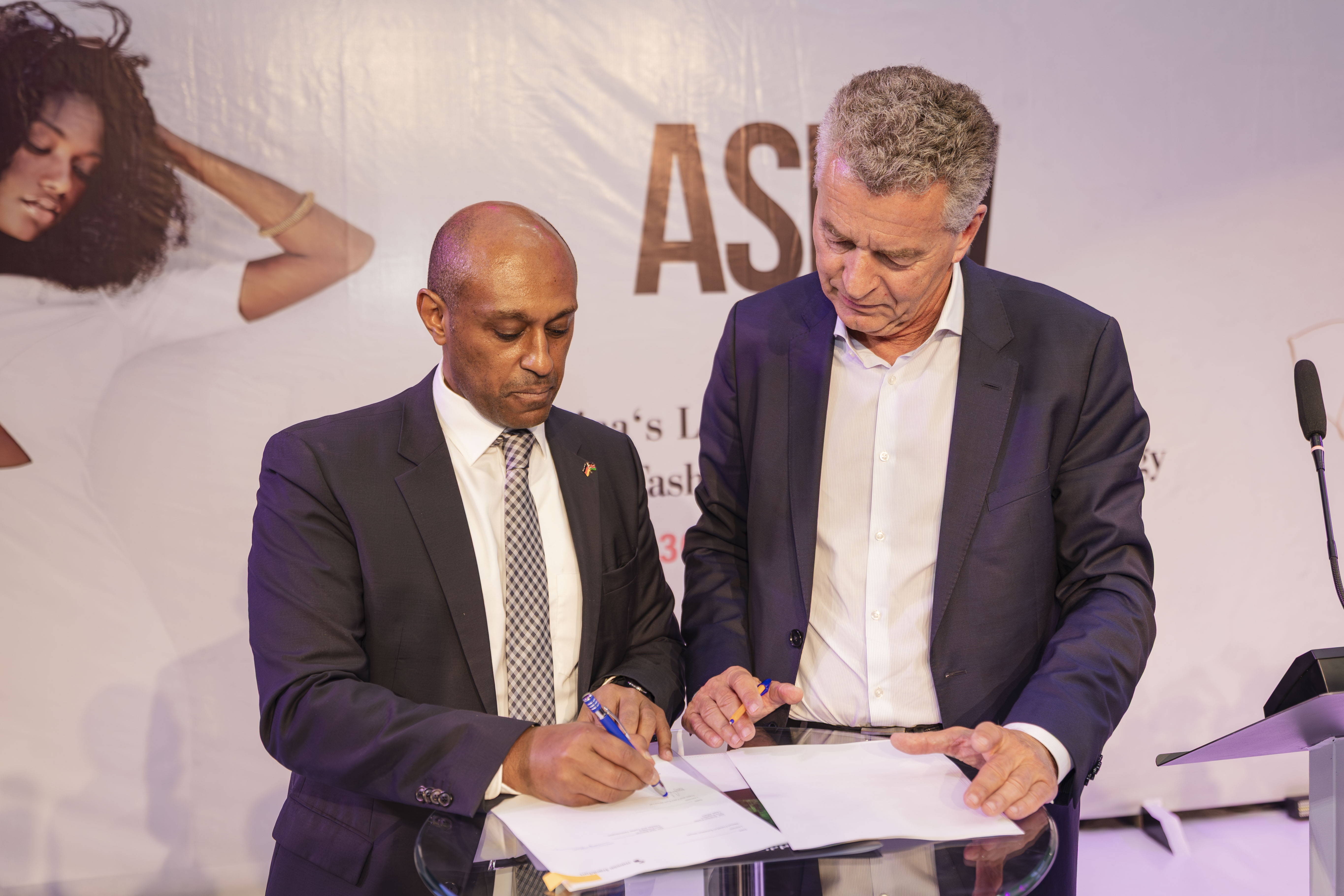
Insights shared at the fifth Africa Sourcing and Fashion Week Nairobi (ASFW Nairobi) conference indicate that Kenya is benefiting from a broader global supply chain realignment, as brands and retailers seek to diversify sourcing bases, improve resilience and expand production closer to high-growth consumer markets.
That growing momentum was reflected at ASFW Nairobi, organised in partnership with the Industry, Trade and Investment Ministry, featuring over 150 manufacturers and designers from more than 20 countries in a three-day showcase of the best of the textile, leather, fashion and home décor industries.
The event has been acclaimed as an invaluable platform for networking, innovation and sustainable development, with participants including East African government officials, delegations from the European Union and representatives of the Common Market for Eastern and Southern Africa (COMESA).
The unique WALK FOR BUSINESS initiative connected more than 30 high-end designers from Africa with international fashion brands and other buyers.
Kenya’s textile and apparel sector is drawing particular interest due to its trade access, industrial policy framework and established export base.
The country was cited as one of Africa’s leading apparel exporters under the African Growth and Opportunity Act (AGOA) and continues to leverage multiple international and regional trade agreements to attract manufacturers.
Despite this progress, Kenya currently imports an estimated Sh129 billion in textiles each year, highlighting a significant opportunity for domestic production and value addition.
State Department for Investment Promotion, Administration Secretary, Elsama Ndegwa said:“Kenya is entering a new phase of industrial growth where textile and apparel manufacturing can become a major pillar of exports, jobs and value addition. The opportunity now is to scale local textile production and capture a larger share of global sourcing demand.”
Skander Negasi, CEO Trade and Fairs Consulting GmbH, said Africa’s manufacturing proposition is gaining momentum internationally.
“Global buyers are looking for reliable, diversified and future-ready sourcing destinations. Kenya and Africa more broadly are increasingly part of that conversation because of their competitiveness, workforce potential and long-term growth prospects.”
Analysts say Kenya’s ability to deepen local textile production will be critical to unlocking higher margins and stronger competitiveness, particularly as brands place greater emphasis on shorter lead times and sustainable sourcing.
With rising global demand and a large underdeveloped supply base, Kenya is increasingly seen as one of Africa’s strongest contenders to become a regional textile and apparel powerhouse.



Comments 0
Sign in to join the conversation
Sign In Create AccountNo comments yet. Be the first to share your thoughts!