Back in 2010, when Kenya adopted the current constitution, many people were hopeful that real press freedom had finally arrived. For years, strict laws barely protected journalists, and the new constitution seemed like a genuine fresh start.
But more than 10 years later, that promise has only partly been kept, and in some ways, it has faded. Instead of creating a bold and fearless press, the new system has brought quieter but more widespread threats to media freedom.
As early as 2010, the year that many celebrated as a new dawn for press freedom, media observers pointed out that although overt violence against journalists had reduced, the absence of reported fatalities, injuries and detentions in new media freedom statistics did not necessarily signal the presence of press freedom.
By October 2015, one media watchdog, Article 19, had raised concerns about the slow pace of implementing constitutional guarantees for media freedom in Kenya, warning that unconstitutional laws had persisted beyond the deadlines set in the constitution.
Article 19 further cautioned that non-legislative pressures on press freedom, particularly financial leverage through advertising, were becoming subtle but powerful tools for influencing editorial content.
These early warnings have, in many ways, proven true. More than 10 years later, the government has continued to tighten its stranglehold on the media by denying it advertising revenue and, most recently, directing that multimillion-shilling state advertising budgets be diverted to digital platforms alone.
It is therefore not surprising that Kenya’s media landscape is currently marked by financial instability and strain, which in the end carries deeper implications for media freedom.
Equally troubling are persistent safety concerns. Journalists continue to face physical threats, legal intimidation and psychological harassment in the course of their work. These pressures not only endanger individual practitioners but also weaken the media’s ability to serve as an effective watchdog in a democratic society.
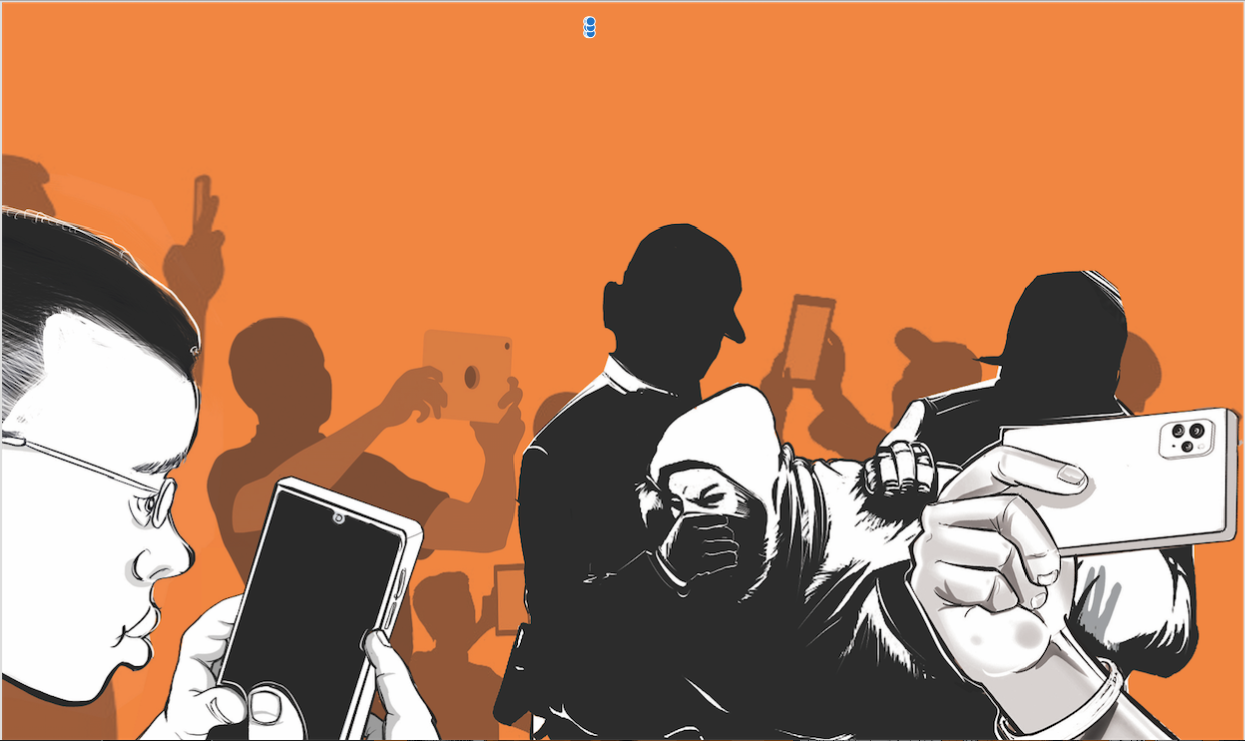
Sadly, a good number of incidents of violence and intimidation against journalists are rarely investigated, fostering a climate of impunity. For example, during the infamous Gen Z protests in 2024, several journalists were reportedly assaulted or arrested while covering events, and media houses faced threats over their coverage. To date, many of the perpetrators of the open cases of assault on media freedom on the streets have not been brought to book.
The structural constraints inside Kenya’s media laws are equally significant. The Kenya Media Sector Working Group has pointed to a complex web of laws that are routinely invoked to regulate and, at times, suppress media activity. The Media Council of Kenya has been on record calling for a review of colonial relics still buried inside Kenya’s media laws.
The Covid-19 pandemic may be gone, but its ripple effect on media freedom continues to be felt to date. The crisis triggered a wave of layoffs and pay cuts across media houses, leaving many journalists economically and professionally diminished long after the pandemic subsided.
Public trust in the media is also under strain, with a 2024 report indicating that many Kenyans perceive media coverage of government affairs as lacking fairness. In the midst of a fragile political environment, such perceptions pose a threat to media freedom.
Taken together, these trends point to a media sector under sustained pressure, from legal constraints and economic fragility to physical insecurity and political interference.
The 2026 World Press Freedom Day, therefore, arrives not as a moment of celebration but as an opportunity for reflection. The constitutional guarantees of 2010 remain vital, but they need more goodwill to execute; they need more deliberate efforts to dismantle restrictive laws, protect journalists and strengthen the economic foundations of the media industry.
More than anything, all right-thinking Kenyans must, and their leaders must recognise press freedom, not merely as a constitutional ideal but a democratic necessity; one that demands more than just the absence of physical threats, but also an environment in which journalists can work without fear, favour and compromise.
Until then, the promise of press freedom in Kenya will remain a work in progress, enshrined in law, but too often contested in practice.
The writer is the CEO of the Kenya Editors Guild

Comments 0
Sign in to join the conversation
Sign In Create AccountNo comments yet. Be the first to share your thoughts!