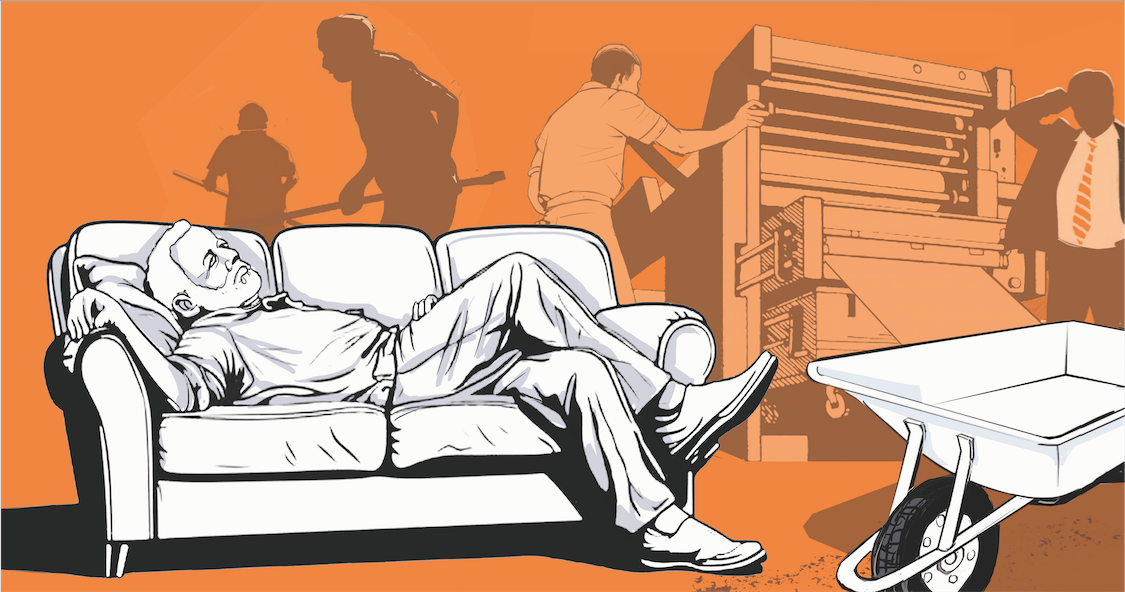
In Kenya, there is a familiar response many people hear when they say theyare retired: “Oh, youareretiredbutnottired.”Itisusuallydeliveredwithasmile,sometimeseven with admiration. The intentioniskind. It ismeantto affirmvitality, relevance andcontinued life.
Yetbeneath this well-meaning phrase lies an uncomfortable question many retirees quietly ask themselves:AmIsupposedtobetirednowthat Iam retired?
Thoughthismaynot be a Kenya-specificexpression,itsregularuse revealswhatsociety believes. The fact that people feel compelled to add “but not tired” suggests that, deep down, weassociateretirementwithexhaustion,decline orfadingaway.
Thecomplimentonlyworks because there is an unspoken assumption that retirement naturally leads to tiredness – physical, mental or even emotional. Otherwise, there would be no need for the rider.
Forsomeretirees,thisphrasecanfeelawkward.Insteadofencouragement,it creates pressure.Itraisesself-doubt:WhatifIamtired?Whatifmybodyfeelsslower,myenergy uneven, my motivation uncertain?Am I failing at retirement?
In a society that already struggles tospeakhonestlyaboutageing,suchcommentscanmakepeopleinretirementfeel that theymust act acertainwaytoshowthat theyare not“tired”, which canbe a euphemism for an ending.
Thetruthisthatretirementistiringformanypeople – notbecausetheyareweak,butbecause change itself demands energy. Leaving a long-held routine, losing a work identity, adjusting to new social roles and rethinking purpose takes emotional and psychological effort. For some,therearealsohealthconcerns,financialuncertainty orfamilysupportresponsibilities.
Tiredness in this context is not a personal failure; it is a human response to a major life transition – whichmaymeanuncertaintyand tryingtofigureoutlifeafteracareer/work.
Ingeneral,wepraiseretireeswholookbusy,active andenergetic,andquietlyjudgethose who slow down. Rest becomes suspicious. Stillness looks like decline.Admitting fatigue feelslikeweakness.Asaresult,manyretireeshidetheirstrugglesbehind politesmiles,while feeling increasingly disconnected.
The phrase “retired but not tired” also exposes our discomfort with ageing. The rhyme is catchy,butfewpeoplepausetoconsiderwhatitimplies.Wefeelreassuredwhenolderpeople appear energetic, and uneasy when they admit to feeling tired. So, we rush to affirm, to soften,to reassure–denying therealityofageing ratherthanengaging withithonestly.
Perhaps the more helpful response when someone says they are retired is not a slogan, but a question:Howdoesitfeel nowthat youare retired?Thissimple shiftallowsforconversation – includingthepositiveand not-so-positive aspectsofretirement – which,overtime,caninform the much-needed conversation on retirement in Kenya.
Lifeinretirementhasitsebbsandflows.Somedaysyoumayfeeldeeplyengaged –other days, genuinely tired. Rather than expecting retirees to live up to cheerful clichés, it is importanttocreatespaceforhonestconversationsaboutwhatthistransitionreallyfeelslike.
Afterall,while retirement doesnot automaticallymeanbeingtired,tirednessisnot somethingthatrequiresanapology.Therealityisthatonecanberetired –andpossiblytired – and that, too, is perfectly okay.
Certified retirement and transition coach and the founder and CEO of Reinvent RetireMINT
Comments 0
Sign in to join the conversation
Sign In Create AccountNo comments yet. Be the first to share your thoughts!