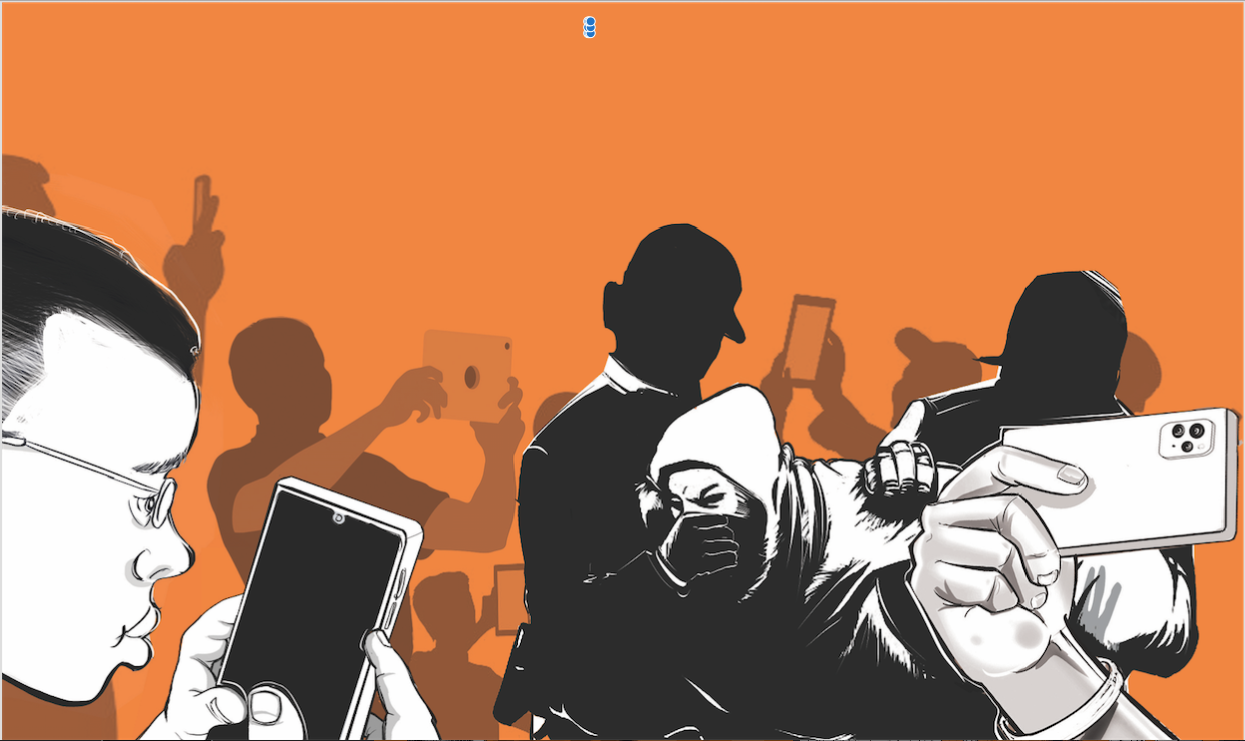
Since its passing into law in 2018, provisions of the Computer Misuse and Cybercrimes Act have been deemed as flawed and in violation of international human rights law on freedom of expression.
Section 22, which spoke of false publications, criminalised the intentional publication of false or misleading data, while Section 23, which addressed publication of false information, criminalised ‘fake news’ that results in panic, chaos or discredits reparations.
Human rights defenders have long avowed that this law is problematic and has frequently become the subject of abuse by government authorities, solely because it almost definitely gives them the power to determine what is regarded as the truth.
A recent three-judge ruling by the Court of Appeal, however, struck down the laws for being too broad. The court called them “unguided missiles” capable of destroying the lives of innocent people who simply forward messages without knowing they are false.
The ruling also observed that what is “false” today, like Galileo’s theories, might be “true” tomorrow and that criminalising “falsity” risks silencing satire, opinion and journalistic errors.
In its stead, the court noted that the National Cohesion and Integration Act and civil defamation laws already handle these issues without needing such harsh criminal sanctions.
The declaration of these sections as unconstitutional is no doubt a victory for free speech. No longer can journalists, citizens or even content creators be criminally prosecuted under sections 22 and 23 for “false publications.” This removes the threat of a 10-year prison sentence for sharing “fake news”.
The ruling is also seen by many human rights defenders as a deterrent against police abuses, such as false arrest, in turn combating cases of enforced disappearances that have become a stain on Kenya’s democracy.
The Missing Voices coalition has in the past documented patterns where individuals who exposed police killings or corruption online, protest organisers using social media and whistleblowers were more likely to face harassment, arbitrary arrest or disappearance.
While the cybercrimes law did not directly authorise abductions, it created legal justification to pursue critics, making it easier for security agencies to track digital footprints, identify activists and justify arrests that sometimes escalated into unlawful detention or disappearance.
The striking down of the two contentious sections now means that there are fewer legal tools to silence reporting on killings and disappearances, a safer digital space for victims’ families to speak and stronger scrutiny of police conduct.
Sections of the law are, however, seen by human rights defenders as possible tools of political control, rather than cybersecurity. While the law protects Kenyans, the state can still, through a court order, access phone data, monitor communications and seize digital devices.
In a context of weak accountability, such powers could be abused to monitor activists, plan arrests, disrupt mobilisations, or even target people documenting extrajudicial killings.
By dismantling vague legal provisions that enabled intimidation and arbitrary arrests, the Court of Appeal has widened the space for citizens to speak, organise and demand justice without fear.
However, the struggle is far from over. Surveillance powers remain, accountability gaps persist and the threat to activists, journalists and whistleblowers has not disappeared. The real test now lies in whether institutions will respect constitutional freedoms or continue to weaponise the law against dissent.
Protecting free expression must go hand in hand with protecting those who expose injustice. Only then can Kenya truly move from a culture of fear to one of transparency, dignity and the rule of law.
Journalist and Missing Voices coordinator


Comments 0
Sign in to join the conversation
Sign In Create AccountNo comments yet. Be the first to share your thoughts!