Traditional medicine is no longer on the sidelines of Africa’s health systems; it is now at the centre of efforts to expand access to care.
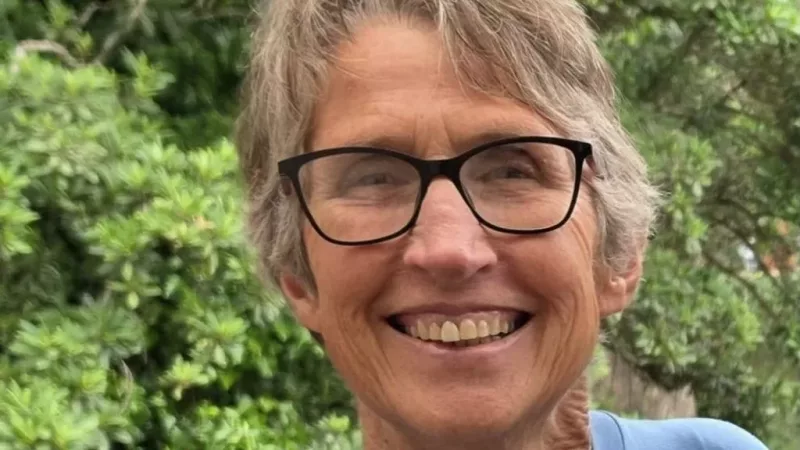
Head of Global Strategy and Partnerships and WHO Collaborating Centre Coordinator at Charité Competence Centre for Traditional and Integrative Medicine, Berlin Hiba Boujnah says across Africa, traditional medicine remains a vital component of health and well-being and the first point of care for many.
"It is today undeniable that traditional medicine plays a crucial role in strengthening primary health care towards achieving universal health coverage,” she said.
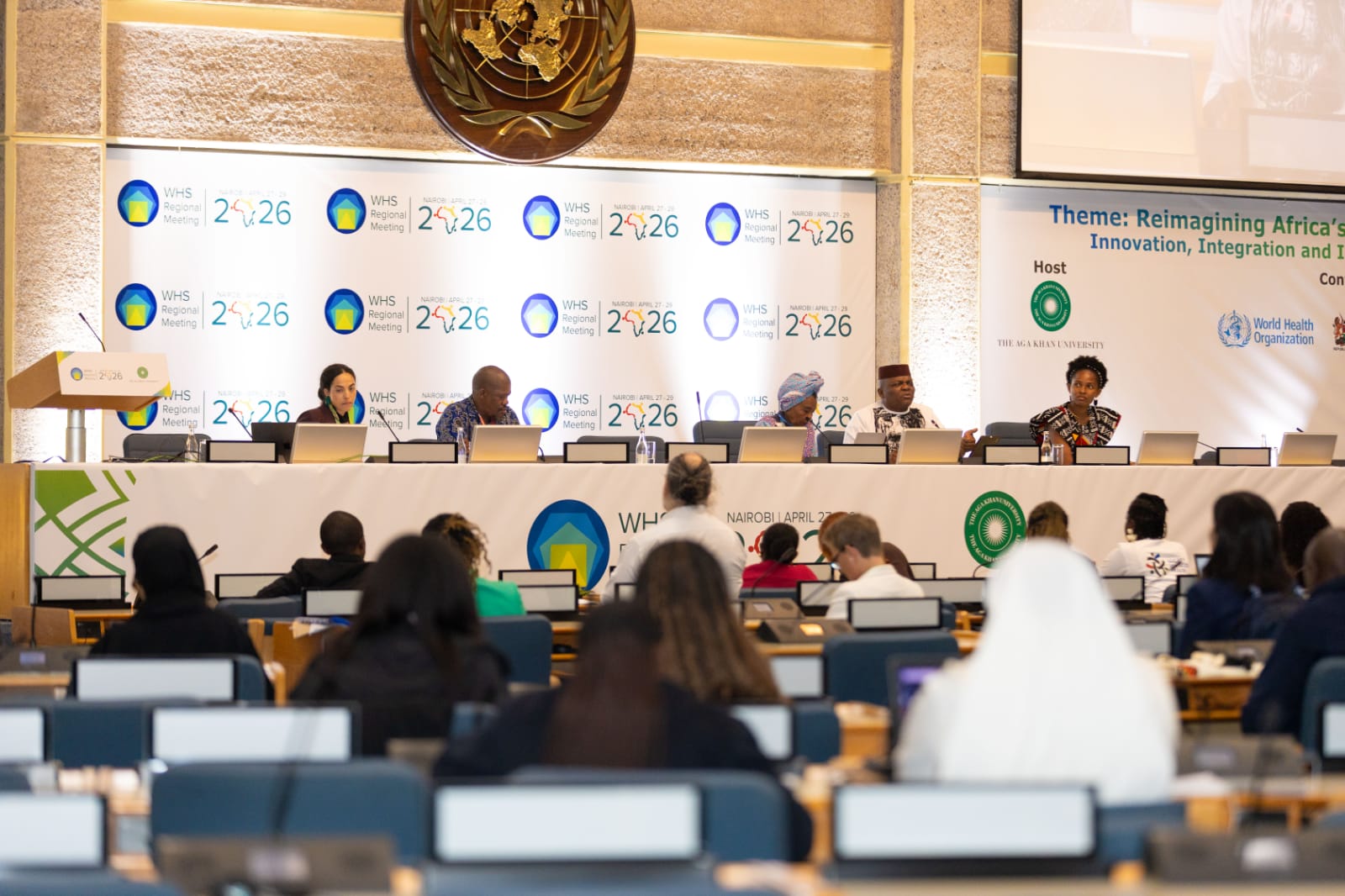
Her remarks set the tone at the World Health Summit WHO Regional Meeting on Traditional Medicine 2026 held in Nairobi from April 27 to 29.
The meeting, themed “Reimagining Africa’s Health Systems: Innovation, Integration, and Interdependence,” brought together policymakers and health experts to examine how traditional medicine can be safely and effectively incorporated into national health systems.
Momentum is already building, with 12 African countries committing to integrating traditional medicine under the World Health Organization Global Traditional Medicine Strategy following pledges made at the Second WHO Global Traditional Medicine Summit.
Boujnah said the conversation has now shifted from recognition to implementation.
“The question now is no longer whether traditional medicine has a role to play, but rather how do we translate it into safe, evidence-informed, and scalable implementation,” she said.
Director, Traditional Medicine at South Africa’s National Department of Health Bruce Mbedzi, said his country is already working on policy frameworks.
“As South Africa, we attended the Global Summit in India, and we made some commitments… the most important being finalising policies that will include traditional medicines into the national health care systems,” he said
Mbedzi clarified that South Africa prefers a parallel model.
“We actually use the term inclusion… because we believe that the two systems should run parallel to each other,” he added.
Experts say traditional medicine already plays a critical role across the continent, especially in rural and underserved areas where access to conventional healthcare remains limited.
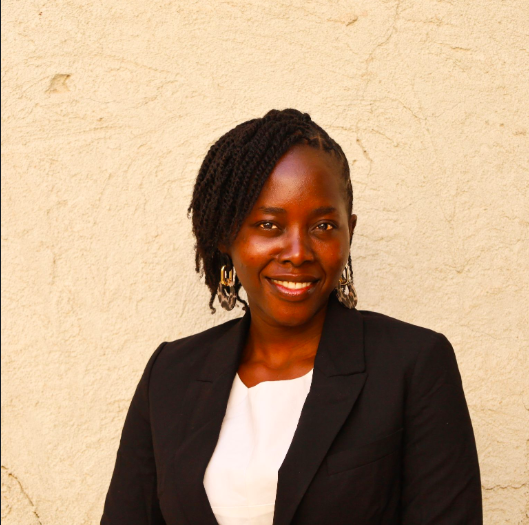
A community-based researcher, herbalist and founder of Tremendous Organics in Kenya Fiona Njeri said its impact is already evident.
"Traditional medicine in Africa is already functioning as primary health care for many communities,” she said.
“Globally, nearly 80 per cent of the population are on traditional and complementary medicines for primary healthcare.”
As countries face rising healthcare costs, workforce shortages and unequal access, stakeholders say integrating traditional medicine while ensuring safety, quality and accountability could help strengthen primary care systems and move Africa closer to universal health coverage.
The Nairobi meeting is the first major international engagement on traditional medicine since the Second WHO Global Traditional Medicine Summit in New Delhi, where 27 countries—including 12 from Africa—committed to strengthening governance, regulation, research, and integration frameworks for TM.