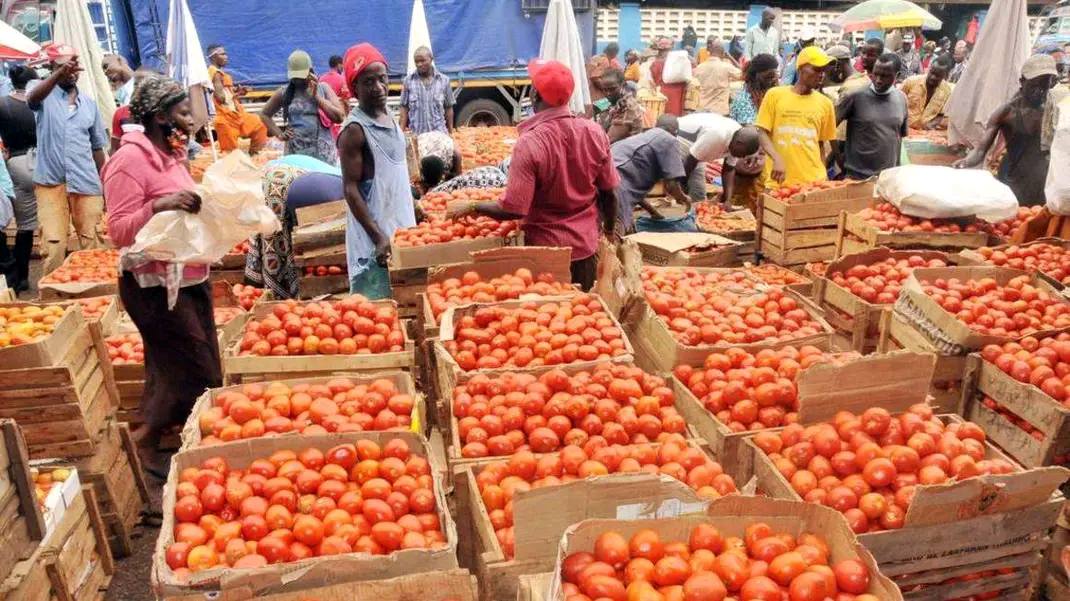
A spot check across various markets and estate stalls has revealed that shoppers now approach tomato vendors with the same hesitation usually reserved for electronics shops /FILE
Kenyans are grappling with a sharp rise in tomato prices that has turned the humble nyanya into something closer to a status symbol than a kitchen staple.
Across markets, from roadside stalls to bustling urban kiosks, the once-affordable ingredient has staged a dramatic glow-up, which would have been ordinarily described as a rally at the Nairobi Securities Exchange.
A spot check across various markets and estate stalls has revealed that shoppers now approach tomato vendors with nearly the same hesitation usually reserved for electronics shops.
“Bei ya nyanya inashida ya mboga (the price of tomatoes is now officially above vegetable-level),” lamented Elizabeth Nyar Ugenya, a stall owner along Ngong Road.
For many households, the tomato is no longer a casual purchase, it is a commitment. One shopper, Jimna Mwamba, described his experience with the kind of seriousness typically associated with major life decisions.
“I had purchased a single tomato for 20 shillings. Just one,” said Mwamba.
The price surge is attributed to a mix of erratic weather patterns, supply chain hiccups, and the general unpredictability of agriculture.
Traders at Marikiti whom The Star spoke to, noted that the rainy weather had caused damage at the farm, where tomatoes don’t do well with heavy rains.
“We are now buying a wooden crate for around Sh17,000 or Sh18,000. While just over a month ago that used to be between Sh10,000 - Sh12,000,” said Eunice Njeri one of the tomato traders in the market.
Some have begun rationing tomatoes like rare spices. Others are exploring radical alternatives—like cooking without them.
Social media, as expected, has turned the crisis into a comedic coping mechanism.
One viral post by Ruth Peter captured the national mood with brutal honesty: “Nyanya zinauzwa kama GLE itabidi kitunguu ikubali kuwa single parent in my menu. (Tomatoes are now priced like luxury cars; onions will have to step up as the sole provider in meals.)
Meanwhile, another user added fuel to the digital fire, pointing out the suspicious pattern of price hikes.
“Eggs were previously targeted by inflation, tomatoes have now been dragged into the chaos. At this rate, even sukuma wiki may start demanding respect,” said Billy.
Market vendors are also feeling the squeeze. While higher prices might seem like a win on paper, reduced customer purchasing power means fewer overall sales. Some traders report customers now bargaining with philosophical arguments rather than cash.
Restaurants, too, are adjusting. A few eateries have quietly reduced tomato portions in dishes, while others have embraced what they call “minimalist plating”—a trend that just so happens to require fewer ingredients.
Back in households, meal planning has become an exercise in strategy. Families are substituting, stretching, and occasionally just staring at recipes long enough to feel full.