The Supreme Court is entering a period of major changes that will alter its composition over the next five years.
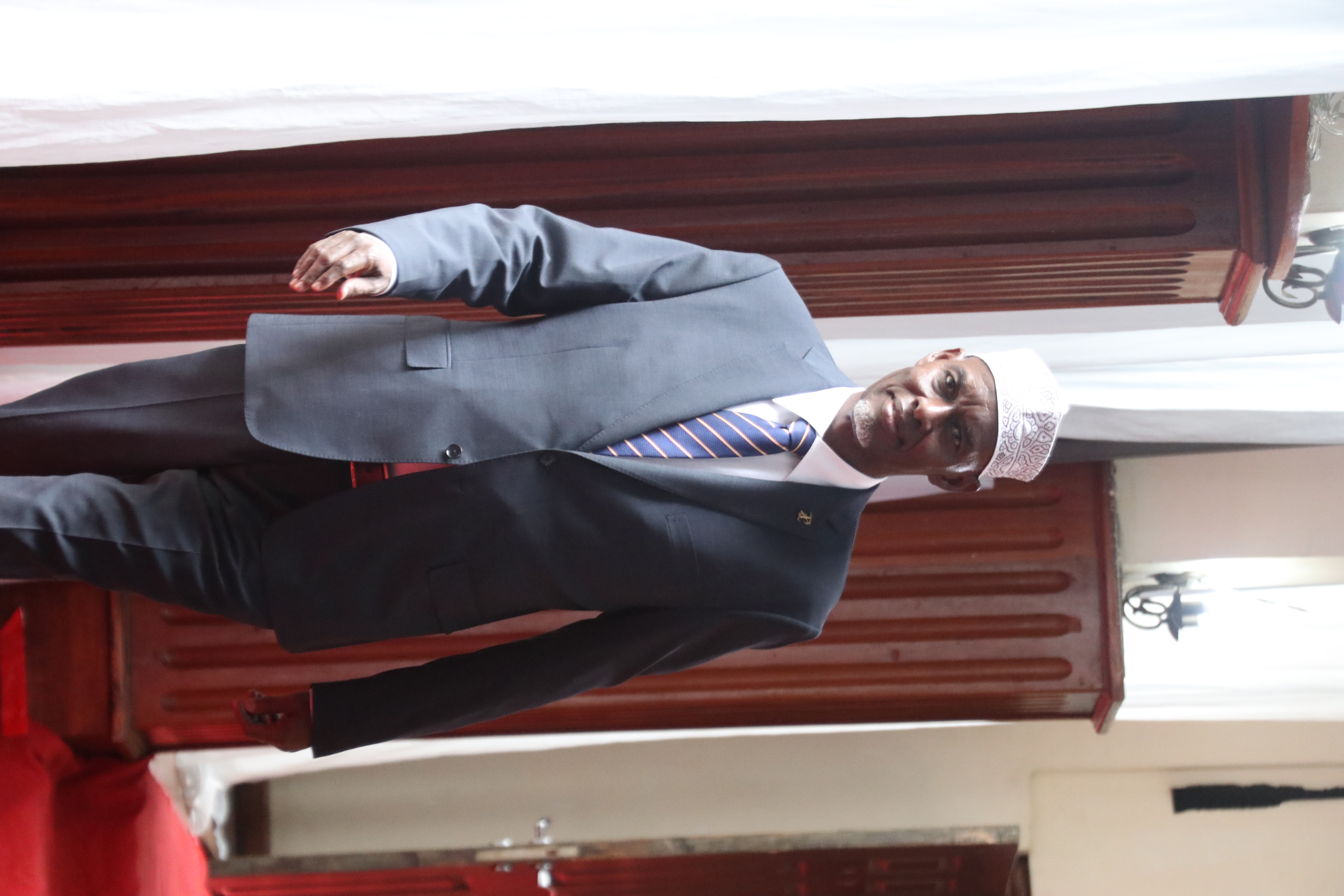
Key among these changes is the nomination of Justice Mohamed Warsame and the potential exit of long-serving members.
At least two of the seven judges are likely to leave the bench within the next three years.
The death of Justice Mohammed Ibrahim on December 17, 2025—just weeks before his scheduled retirement on January 1, 2026—opened the first vacancy.
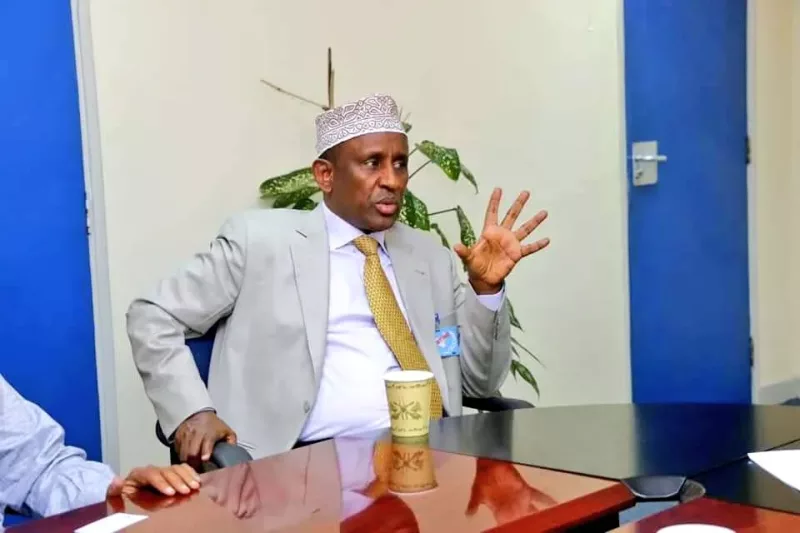
The Judicial Service Commission (JSC) has now nominated Court of Appeal judge Warsame to fill that seat.
Chief Justice Martha Koome, who chairs the JSC, welcomed the nomination as one of merit.
“I am therefore pleased to announce that the Judicial Service Commission has nominated Justice Mohamed Abdullahi Warsame for appointment to the Supreme Court of Kenya,” she said.
Warsame was selected following public interviews that concluded on Wednesday.
He has served on the Court of Appeal since 2012 and was a member of the JSC for a decade.
But Justice Warsame’s arrival will not halt a wider turnover.
Deputy Chief Justice Philomena Mwilu, one of the court’s most seasoned jurists, is due to retire upon reaching 70 in 2027.
Under Article 167 of the Constitution, judges may also elect to retire any time after turning 65, a provision Justice Mwilu has not indicated she will use.
Her departure would remove a founding member of the Supreme Court bench inaugurated in 2011.
Another potential exit is Justice Njoki Ndung’u, after the President formally nominated her as Kenya’s candidate for a judge position at the International Criminal Court at The Hague on March 12.
Elections for ICC judges are scheduled from December 7 to 17, with the government mounting a diplomatic campaign led by Prime Cabinet Secretary Musalia Mudavadi.
Born on September 20, 1965, Justice Ndung’u turns 61 this year. If elected, she would resign from the Supreme Court, creating a second vacancy within 12 months of Justice Ibrahim’s death.
If not elected, she would continue serving until mandatory retirement at 70 in 2035, or could opt for early retirement from 2030.
That leaves justices Smokin Wanjala (age 65 years), Isaac Lenaola (58) and William Ouko (64). This means looking ahead five years, the bench will see even more new faces.
Chief Justice Koome, born on June 3, 1960, is set to retire on her 70th birthday in 2030.
As a Supreme Court judge, she also has the option to take early retirement, which she can exercise any time after turning 65.
There is also a separate tenure rule specific to the office of the Chief Justice. No individual can serve in the role for more than a non‑renewable 10‑year term.
Koome assumed office on May 21, 2021, so her 10‑year term as head of the Judiciary would conclude on May 20, 2031, regardless of her age.
However, the mandatory retirement age of 70 takes precedence and will end her service earlier.
That means within five years, at least four of the seven Supreme Court seats could be filled by new appointees.
The looming exits have prompted reassurances from the bench.
Justice Lenaola confirmed in March that Justice Mwilu was not retiring imminently and that the vacancy left by Justice Ibrahim would be filled by May, noting that the court would remain fully constituted ahead of the 2027 general election.
To manage the coming transition and a growing caseload, the Chief Justice has previously proposed expanding the Supreme Court bench from seven to 11 judges—a constitutional change that would require a parliamentary amendment.
Meanwhile, the court has revised its General Practice Directions and unveiled a five‑year strategic plan to enhance electoral justice, with specific procedural reviews aimed at closing legal gaps before the 2027 polls.