His remarks come amid renewed debate over regulation and identity within Nairobi’s public transport system.“Ng’anya culture is here to stay. We’re heading back to court, and I will personally cover all legal fees,” he said.
Advertisement
Advertisement
Jalang’o described the matatu sector as central to the city’s cultural and economic life.
“This is an industry that drives Nairobi. People travel from all over just to experience matatu culture—the art, the music, the energy. It’s more than transport; it’s part of who we are.”Member of Parliament Jalang’o
A Sector Beyond Transport
The matatu industry remains the backbone of urban mobility in Nairobi, moving millions of commuters daily. Beyond transport, it supports a wide creative economy, employing graffiti artists, sound technicians, fabricators and digital promoters.
Advertisement
Advertisement
Regulatory efforts targeting tinted windows and elaborate graffiti have often been justified on safety and compliance grounds, including visibility, passenger security and standardisation. However, industry players argue that such measures could affect both livelihoods and a long-standing urban culture.
×
Public Reaction: Support and Scepticism
Jalang’o’s stance sparked mixed reactions online, reflecting a divided public mood.
Some Kenyans voiced strong support for preserving the culture:
“Protect the Nganya culture 👏🔥”“Long live the culture 🤍🖤❤️”
Others questioned the timing and intent:
“You push the case to court lowkey then pop out trying to prove support,” one user wrote.“Sema ni kura unataka,” another added.
The Spectacle and Sound of Kenya's Royal Matatus
If matatus are Kenya’s mobile masterpieces, then nganyas are the royalty.
As of July 2025, Nairobi’s roads remained a moving gallery of colour, sound and competition, with each route building its own identity through standout fleets.
Kayole routes featured crowd favourites such as Transformer and Rogue, while Umoja was represented by B613 and Scorpion, known for precision lighting and detailed finishes. Westlands and CBD lines also maintained a strong presence, with units such as Night Nurse, Bully and Ambush shaping commuter experiences across the city.
Nganya culture //Instagram
Culture, Commerce and Identity
By mid-2025, nganya launches had evolved into full-scale events, attracting large crowds and often featuring live performances from Kenyan artists. These unveilings frequently trended online, reinforcing the matatu’s role as both a transport and entertainment platform.
For many young Nairobi residents, particularly Gen Z, nganyas were more than a ride. They served as social spaces, mood resets and symbols of belonging within the city’s fast-paced urban culture.


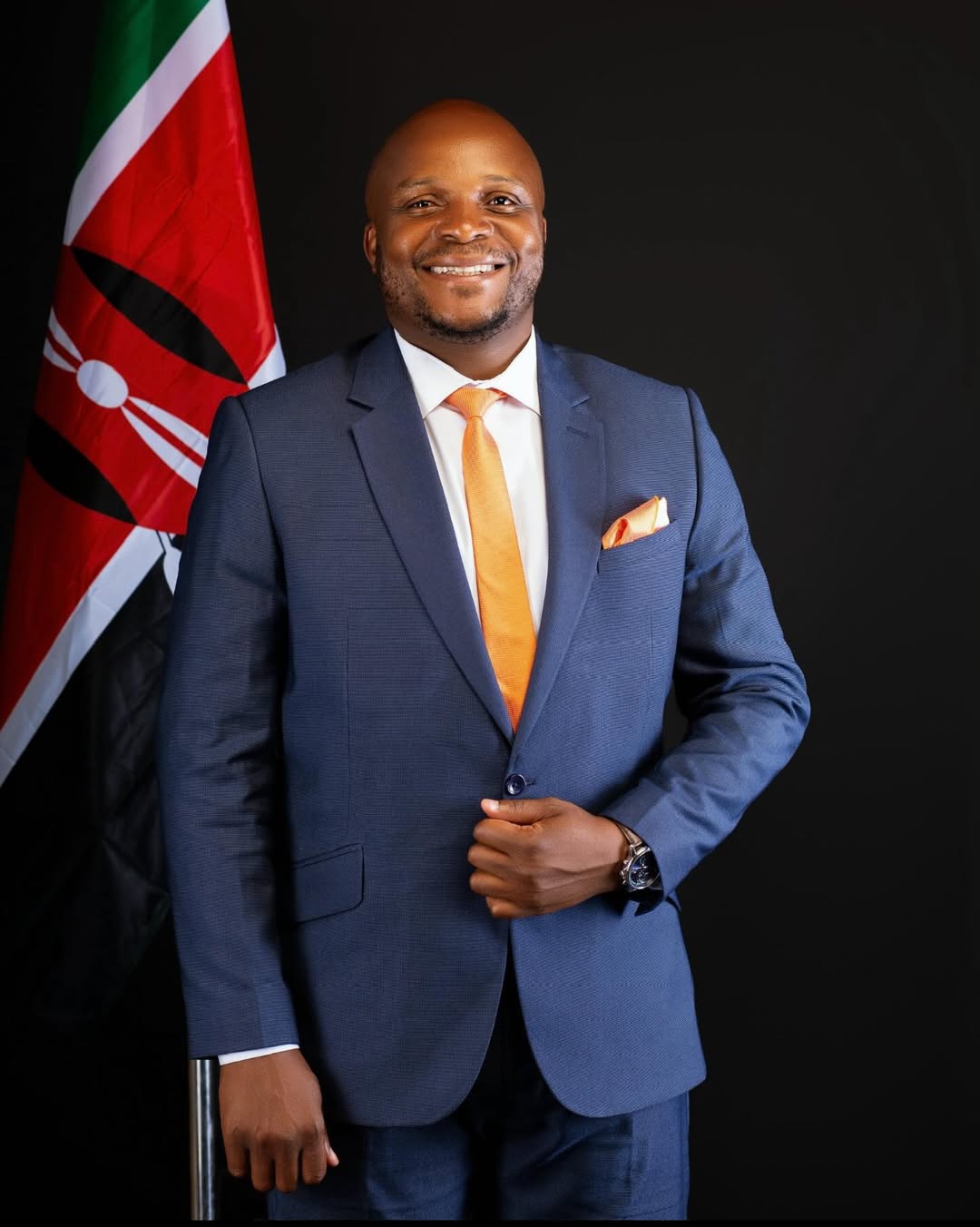 Member of Parliament Jalang’o
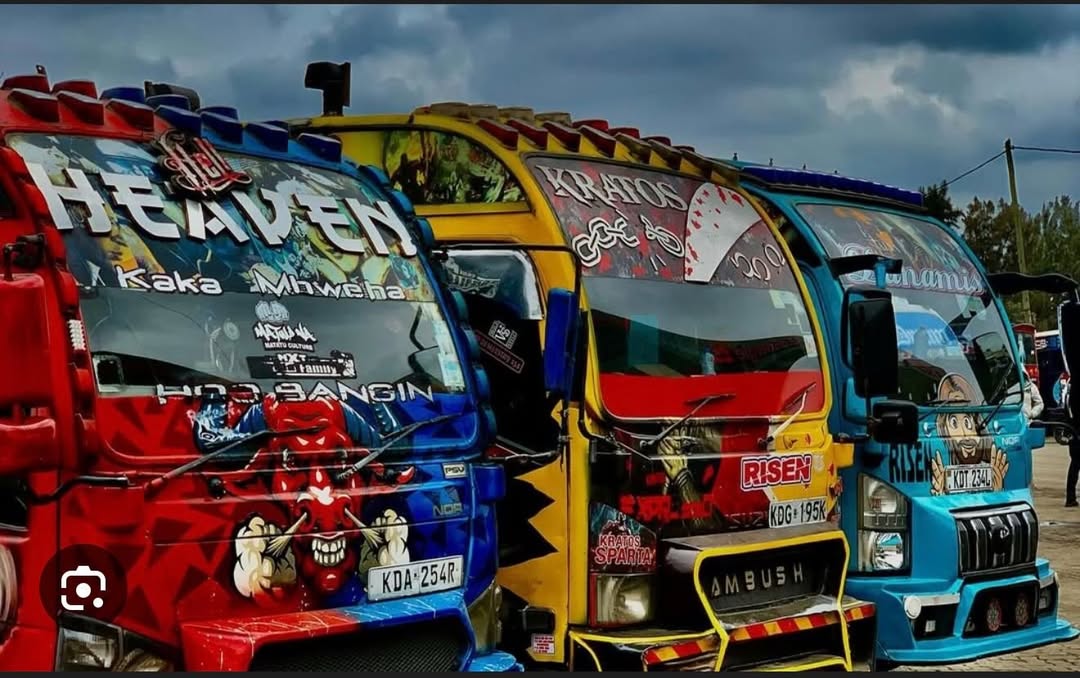 Nganya culture //Instagram