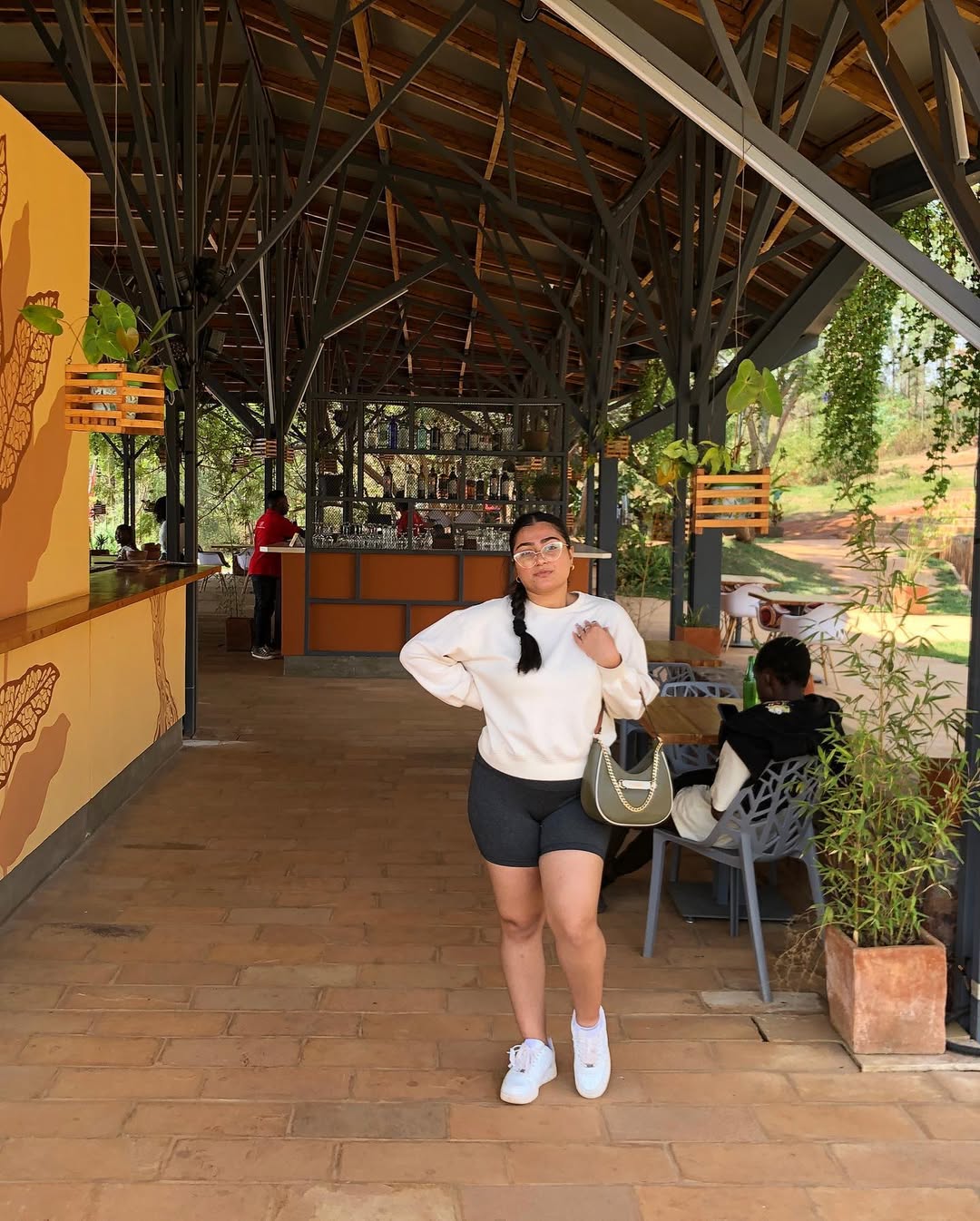
Kenyan content creator Gurleen Kaur has urged the public to ease criticism directed at media personality Shiksha Arora, following her recent remarks on residential patterns in parts of Nairobi.

The debate emerged after Arora addressed why some estates in Lang’ata and Westlands are predominantly occupied by Kenyan-Indians — a subject that often sparks speculation online.

Gurleen Kaur’s response

Amid the backlash, Kaur defended Arora and called for a more measured understanding of the issue.
“It’s important people understand context before reacting,” she said.

                                      Gurleen Kaur // Instagram  

Enjoying this article? Subscribe for unlimited access to premium sports coverage.
View Plans

Public reactions online

Reactions across social media have been varied, though many users expressed support for both women and welcomed the explanation.
“You are very informed. Thanks for educating people,” one commenter wrote.
Another added:
“I appreciate you and Shiksha for explaining… at least we got someone who can explain.”
Some praised Kaur directly:
“You are a true patriotic Kenyan. I love you for free.”
Others responded more casually:
“Mimi naishi close to that place lakini naogopa kumake friends,” one user joked.
Support for Arora also appeared in the comment sections:
“Shiksha is genuinely kind!”

×

A wider conversation

The discussion reflects a broader conversation in Nairobi about how culture, religion, and lifestyle influence housing patterns.
Urban data has consistently shown that people tend to cluster in communities where daily habits, language, and social practices align. In multicultural cities, this can sometimes be perceived as exclusivity.

                                                Gurleen Kaur // Instagram

Related: Context from Mic Cheque Podcast

Speaking on the Mic Cheque Podcast, Arora explained that lifestyle choices — particularly diet — can influence where people choose to live.

“They don’t even eat garlic and onions… no meat or eggs,” she said.

She noted that for some strict vegetarians, even the smell of meat can be uncomfortable. In shared environments, this can create practical challenges, shaping housing preferences over time.
Arora also shared brief personal experiences, recalling how some vegetarian friends reacted strongly to the presence of meat at the table. These moments, she said, reflect how central food is to daily life and social comfort.

Beyond diet, she pointed to structured community systems. Some groups, including Bohra Muslims, have established integrated neighbourhoods with shared facilities such as schools, hospitals, and residential estates.