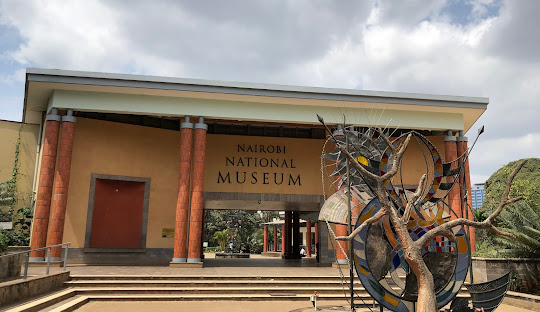
Nairobi National Museum and Fort Jesus are among Kenya’s most visited cultural and historical attractions, according to data from the Kenya National Bureau of Statistics (KNBS).
Findings contained in the Economic Survey 2026 show that museums, snake parks and historical sites continue to attract significant visitor numbers. The report highlights steady performance across these sites over the five-year period, positioning Nairobi and Mombasa as key centres of heritage tourism.
In Nairobi, the Nairobi National Museum stands out as a leading destination, drawing both local and international visitors interested in Kenya’s history, culture and natural heritage.
At the Coast, Fort Jesus remains one of the country’s most prominent historical landmarks. The 16th-century fort, a UNESCO World Heritage Site, continues to attract large numbers of visitors due to its rich history and strategic significance along the Swahili coast.
Other sites recorded mixed performance. The Kisumu Museum saw a decline from 157,100 visitors in 2024 to 114,400 in 2025, while Gede Ruins dropped from 122,600 to 82,300 visitors over the same period. Smaller sites such as Kitale Museum and Hyrax Hill also registered notable decreases.
Malindi Museum recorded an increase in visitor numbers from 61,000 in 2024 to 86,300 in 2025, while Karen Blixen Museum remained relatively stable with 65,700 visitors, slightly down from 67,500 the previous year.
The report also highlights seasonal patterns in visitor traffic.
“The number of visitors to attraction sites peaked in July at 263.8 thousand compared to 2024 when the peak was in August,” the survey notes.
KNBS attributes the fluctuations to a combination of domestic tourism trends, changing travel patterns, and varying performance across regions.
The report stated that strong performance of sites such as the Nairobi National Museum and Fort Jesus reflects a broader shift toward diversified tourism offerings, as Kenya seeks to reduce overreliance on safari tourism.
According to the report, heritage sites are increasingly being integrated into travel itineraries that combine wildlife, coastal and cultural experiences, making them attractive to a wider range of visitors, including students, researchers and urban tourists.
The data also suggests that domestic tourism continues to play a significant role in sustaining visitor numbers, particularly for urban-based attractions such as those in Nairobi.
Overall, the survey shows that total visits to selected heritage sites dropped from 1.15 million in 2024 to 1.11 million in 2025.