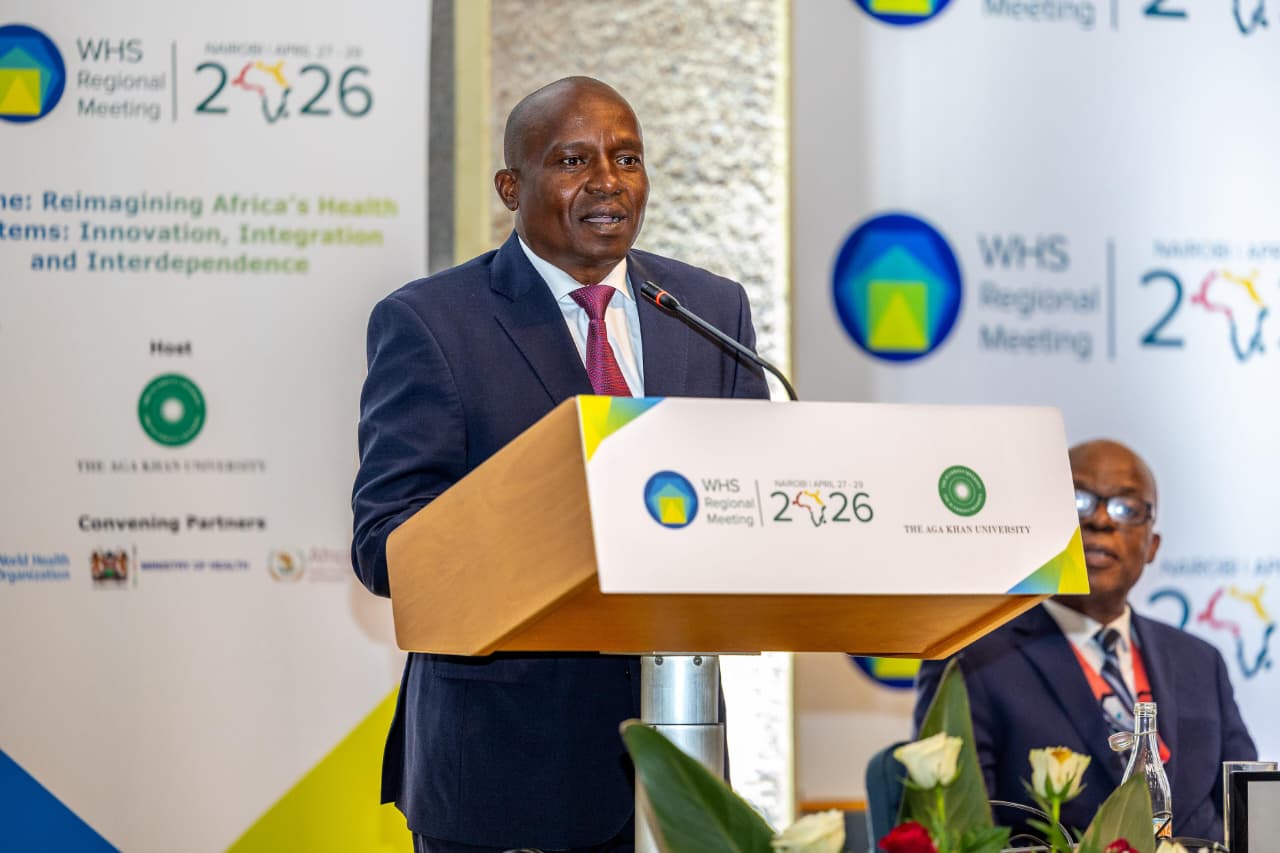
 Deputy President Kithure Kindiki speaking during the closing
ceremony of the World Health Summit Regional Meeting at the United Nations
offices in Nairobi on April 29, 2026/DPCS
Deputy President Kithure Kindiki speaking during the closing
ceremony of the World Health Summit Regional Meeting at the United Nations
offices in Nairobi on April 29, 2026/DPCS
Deputy President Kithure Kindiki has said the government remains committed to making the Social Health Authority (SHA) work, insisting that universal health coverage under Taifa Care is a constitutional obligation and not a political project.
Kindiki said Kenya will continue refining the new health financing model to ensure more citizens access affordable and quality healthcare without being blocked by financial constraints.
Speaking on Wednesday during the closing ceremony of the World Health Summit Regional Meeting at the United Nations offices in Nairobi, the Deputy President said the government was focused on strengthening the implementation of the Social Health Authority despite challenges experienced since its rollout.
He said the programme was designed to guarantee every Kenyan access to healthcare services regardless of their income level.
“Kenya reaffirms its commitment to Universal Health Coverage through the Social Health Authority. Taifa Care is not a political programme, it is a constitutional right to ensure that no Kenyan is denied healthcare because of inability to pay,” Kindiki said.
The Deputy President acknowledged that SHA had faced teething problems since its official launch in October 2024 but maintained that the government was working with partners to improve its operations and ensure sustainability.
He said the programme was now in its second year of implementation and adjustments were being made to address concerns raised by patients, health workers and stakeholders across the sector.
“We are fine-tuning our UHC programme and working with partners to ensure its perfection,” he said.
Among the key areas being addressed are the availability of essential medical supplies in public health facilities, especially in remote parts of the country, recruitment of more healthcare workers and expansion of health infrastructure.
Kindiki also said the government was reviewing SHA’s actuarial framework to strengthen the long-term sustainability of the insurance fund and ensure it can support growing demand for services.
He noted that the success of universal health coverage depends on strong institutions, adequate financing and public trust in the system.
The Deputy President challenged African countries to adopt bold reforms in health financing and service delivery, saying access to healthcare should be treated as a development priority across the continent.
He said African governments must move beyond policy declarations and invest in practical systems that protect citizens from catastrophic medical costs.
“Let us implement bold reforms in how health is financed, governed and delivered, anchored in the pursuit of Universal Health Coverage and Africa’s broader development goals,” Kindiki said.
He added that building stronger health systems would require political goodwill, discipline and long-term commitment from leaders across the continent.
According to Kindiki, Africa must rely on its own institutions and resolve to protect the health of its people instead of waiting for external solutions.
“The message from Nairobi 2026 is simple, direct and non-negotiable: Africa’s health future will not be given to us, it will be built by us,” he said.
“It will require political courage, institutional discipline, sustained investment and an unshakeable conviction that African lives matter equally on the global stage.”
The government has in recent months defended SHA amid criticism over delayed claims, access concerns and transition challenges from the now-defunct National Health Insurance Fund.
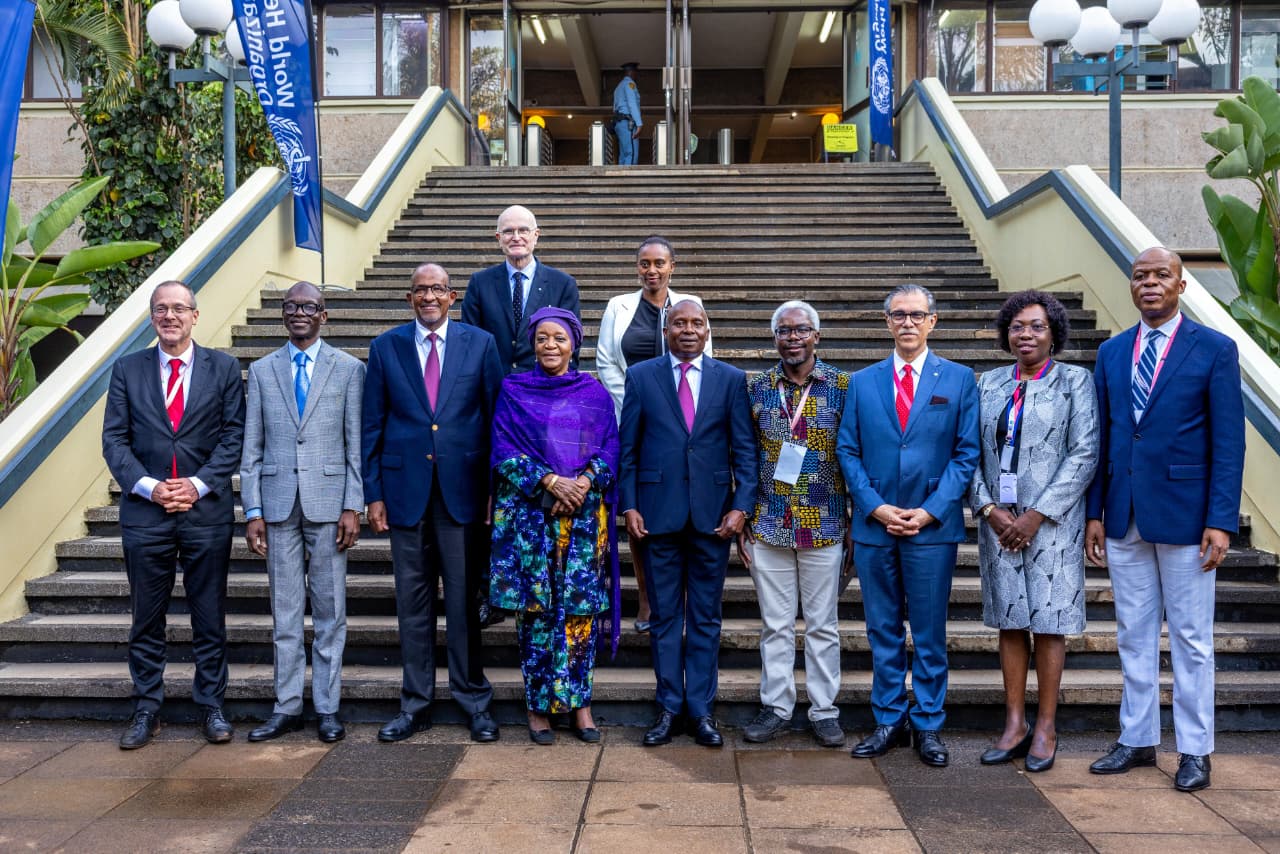 Deputy President Kithure Kindiki alongside other leaders during
the closing ceremony of the World Health Summit Regional Meeting at the United
Nations offices in Nairobi on April 29, 2026/DPCS
Deputy President Kithure Kindiki alongside other leaders during
the closing ceremony of the World Health Summit Regional Meeting at the United
Nations offices in Nairobi on April 29, 2026/DPCS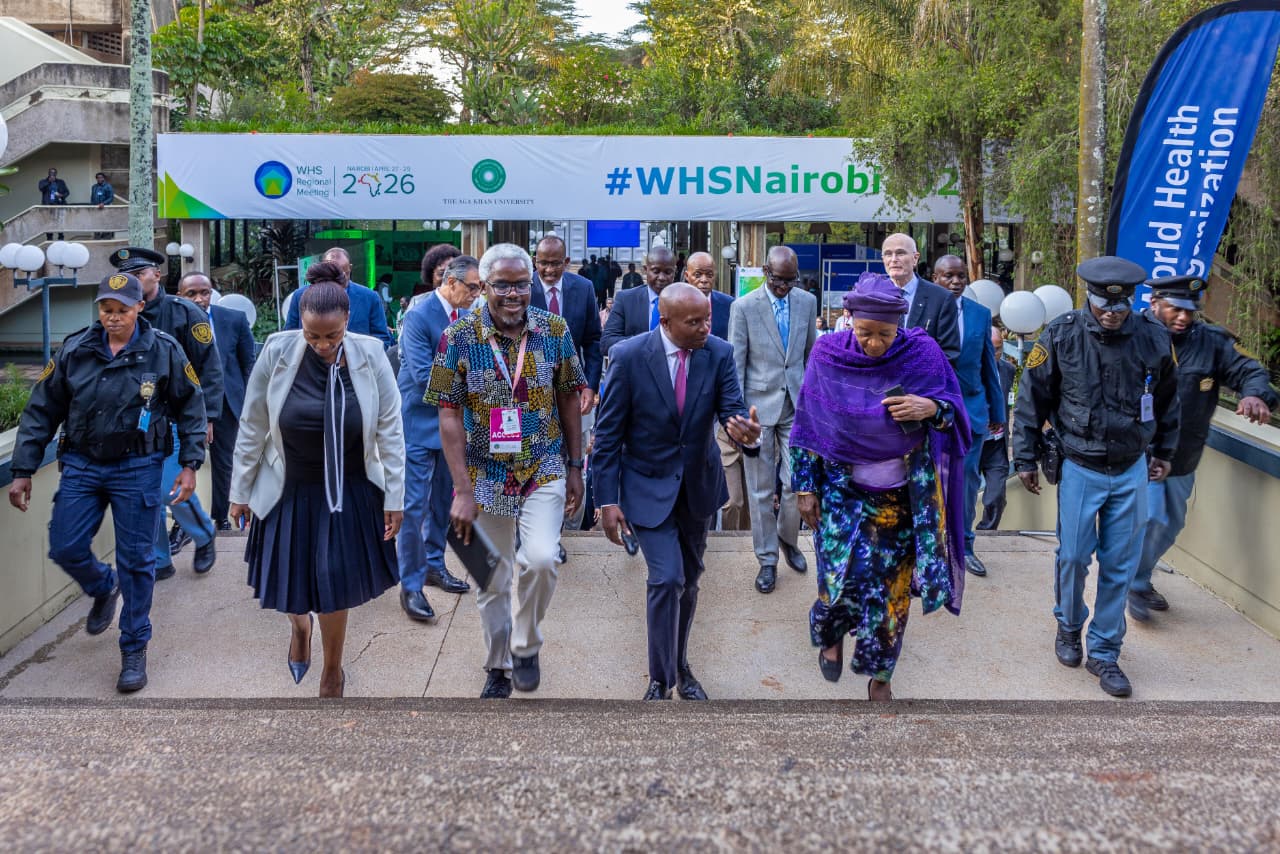 Deputy President Kithure Kindiki alongside other leaders during
the closing ceremony of the World Health Summit Regional Meeting at the United
Nations offices in Nairobi on April 29, 2026/DPCS
Deputy President Kithure Kindiki alongside other leaders during
the closing ceremony of the World Health Summit Regional Meeting at the United
Nations offices in Nairobi on April 29, 2026/DPCS