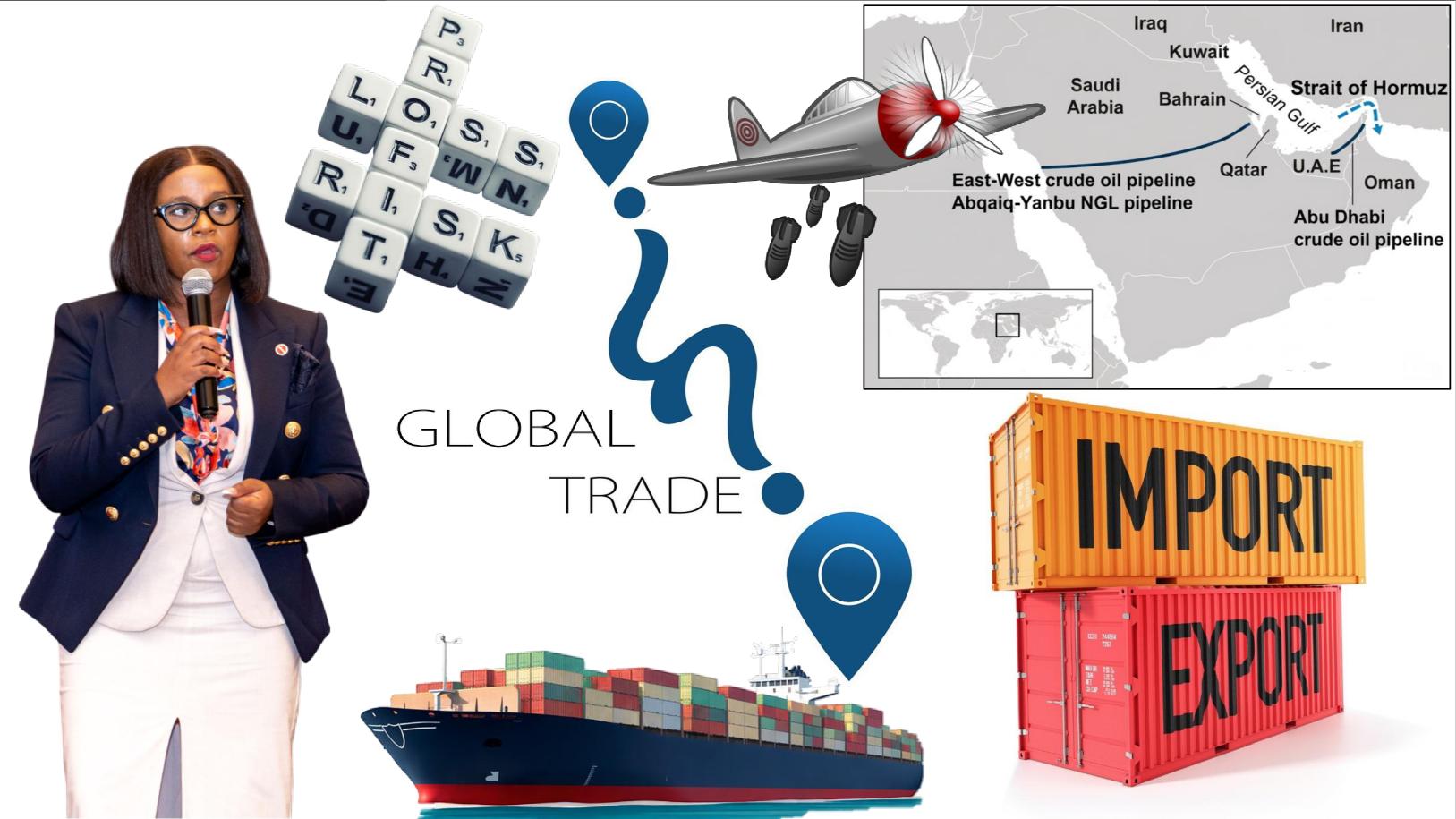
From the aftershocks of Covid-19 to ongoing geopolitical tensions in Ukraine and the Middle East, Kenyan businesses are navigating a landscape defined by volatile supply chains, shifting trade routes and currency pressure.
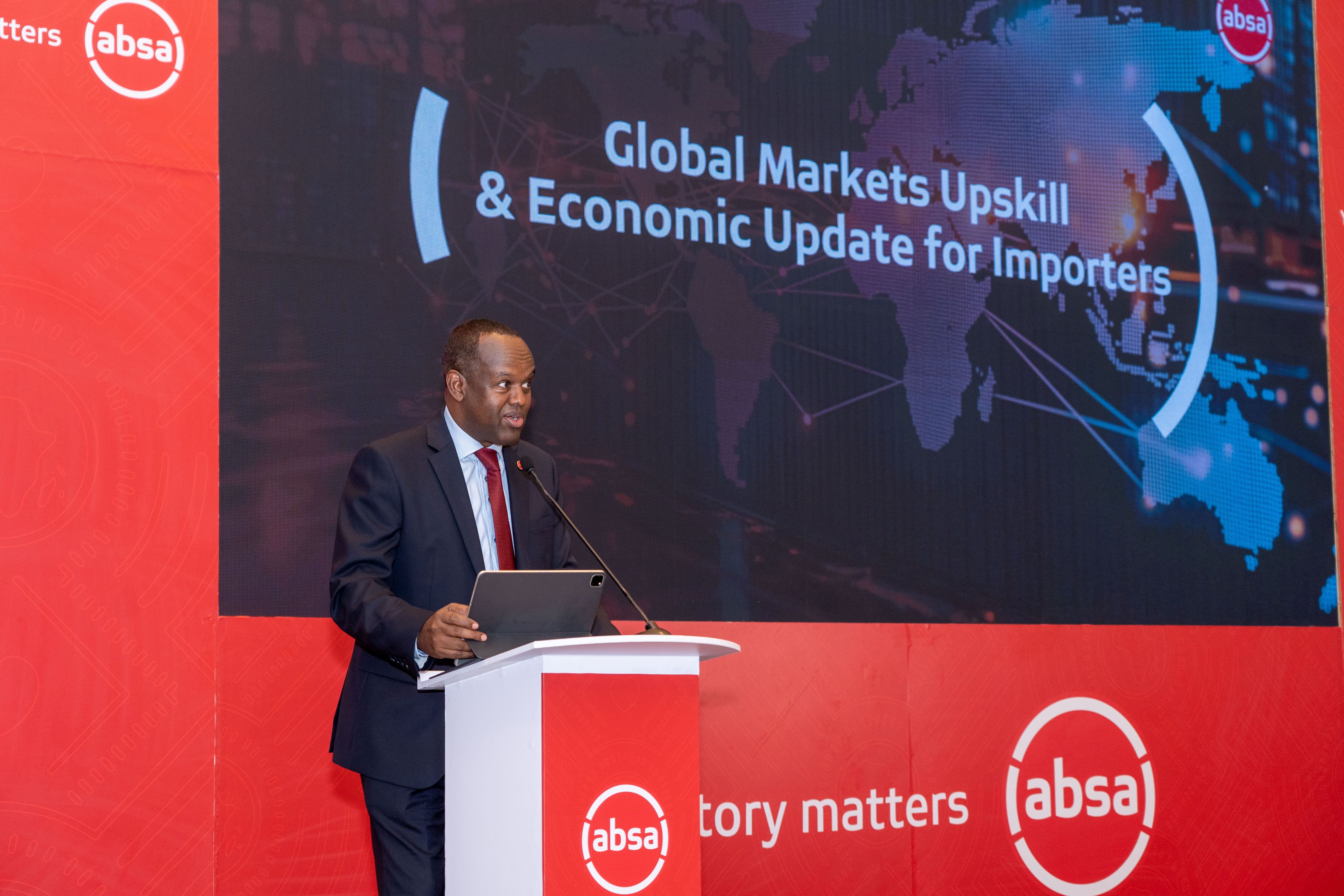
At a series of high-level engagements hosted by Absa Bank Kenya, industry leaders, financial experts and strategists have been unpacking what this means for importers and exporters, and more importantly, how they can respond.
“We are meeting at a time when global and regional economic recovery remains uneven,” Absa Bank Kenya CEO Abdi Mohamed said.
He noted that geopolitical tensions, commodity price volatility and foreign exchange pressures are directly affecting business performance.
“Success now requires more than participation. It demands timely intelligence, disciplined risk management and the right partnerships,” Mohamed added.
Experts agreed that in an unpredictable world, resilience is no longer optional. It is strategy.
From these discussions, seven key strategies emerged.
1. Start by understanding where you are exposed
The first step is understanding how global shocks affect your specific business model.
Wylde International strategy director Kiriinya Kithinji said exporters are primarily exposed on revenue, while importers are exposed on costs.
Wylde International is a Nairobi-based consulting firm that helps entrepreneurs and SMEs in Africa grow and scale through consulting, coaching and training.
For a business owner, this translates into a simple but critical question: Where does the pressure show up first? If revenue is the risk, the focus should be on securing markets and diversifying buyers. If costs are the risk, then attention must shift to sourcing, pricing and efficiency. Businesses that fail to make this distinction often respond too late or in the wrong way.
2. Pay attention to the right signals, not just the noise
In an age of constant global news, the challenge is not information, it is relevance.
Businesses must focus on the signals that directly affect their operations. Disruptions in the Strait of Hormuz, for example, are already translating into higher freight costs, delays and congestion at key ports.
“You should expect higher freight rates and delays,” Kithinji said, pointing to rerouted cargo and logistical bottlenecks. Those who monitor such signals early are better positioned to adjust before the full impact is felt.
3. Reduce reliance on a few markets and suppliers
One of the biggest risks highlighted in the discussions is concentration.
Kenya’s trade is heavily tied to a small number of countries, particularly in the Middle East and Asia. Kithinji warned that shocks affecting these regions quickly spill over into local businesses.
The practical response is diversification. A business that sources from one country should identify at least one alternative supplier. An exporter relying on one major market should begin developing a second or third.
This is not a short-term fix, but businesses that start early are less exposed when disruptions hit.
4. Plan for delays and protect your cash flow cycle
Delays are no longer occasional. They are becoming structural. For exporters, especially in perishable goods, delays reduce product value and push out payment timelines. For importers, they interrupt production and increase holding costs.
“You should expect delayed exports, and that directly affects your revenue,” Kithinji said.
The solution for business owners is to plan for longer cycles. This may mean increasing working capital buffers, tightening credit terms or renegotiating payment schedules with customers and suppliers.
5. Actively pursue regional markets as global routes become uncertain
While some global markets are becoming harder to access, opportunities in Africa are expanding.
Trade frameworks such as the African Continental Free Trade Area (AfCFTA), alongside the East African Community and Comesa, are lowering barriers and simplifying cross-border trade in Africa.
“There will be demand for Kenyan goods,” Kithinji said, adding that other African markets are also opening up.
For a business owner, do not wait for traditional markets to stabilise. Start exploring regional demand now, even on a small scale, and build distribution networks in Africa.
6. Prioritise liquidity before profitability
One of the strongest messages from the sessions was the importance of liquidity.
Absa Bank Kenya global markets director Stella Mambo said businesses must rethink how they manage cash in uncertain environments.
“Liquidity becomes key. Ask yourself what the benchmark rate is, when does cashflow become a problem?” she said.
This shifts the focus from profit to survival. A profitable business can still fail if it cannot meet its short-term obligations.
For business owners, this means stress-testing cash flow. At what point do rising costs or delayed payments create strain? What buffers are in place? Those answers should guide decisions on pricing, borrowing and expansion.
7. Manage currency and inflation risks proactively
Currency volatility and inflation are emerging as major pressure points.
Absa Bank global markets sales head Victor Waruingi said global instability is already affecting capital flows, remittances and the cost of imports.
Data shows that inflation uncertainty is expected to hit sectors such as food and beverage, transport, housing, hospitality, clothing and education. Beyond that, there are wider implications for monetary policy, the cost of doing business and consumer demand. External accounts are also under pressure, with remittances weakening and financial flows becoming more cautious.
“We expect the currency to remain stable in the short term but weaken over time,” Waruingi said.
For businesses, the response is to actively manage exposure. This includes reviewing pricing strategies, considering hedging options where possible and reducing reliance on foreign currency debt, especially as US dollar borrowing rates are expected to rise further.






Comments 0
Sign in to join the conversation
Sign In Create AccountNo comments yet. Be the first to share your thoughts!