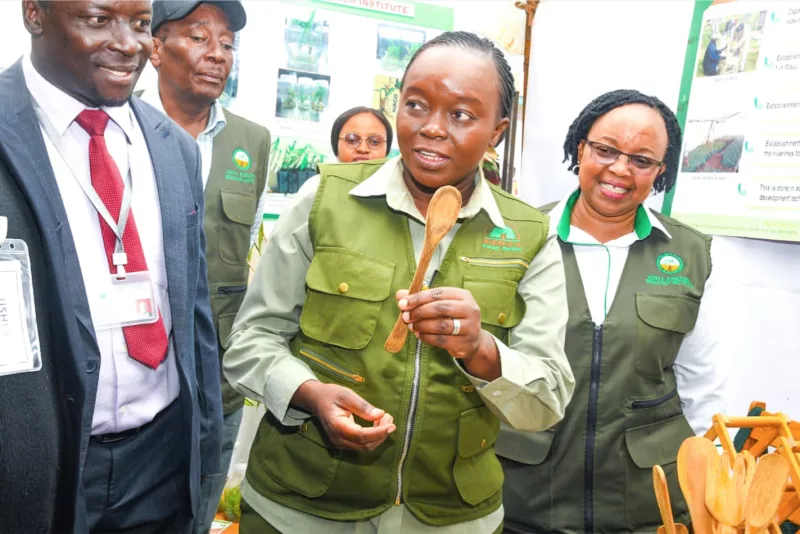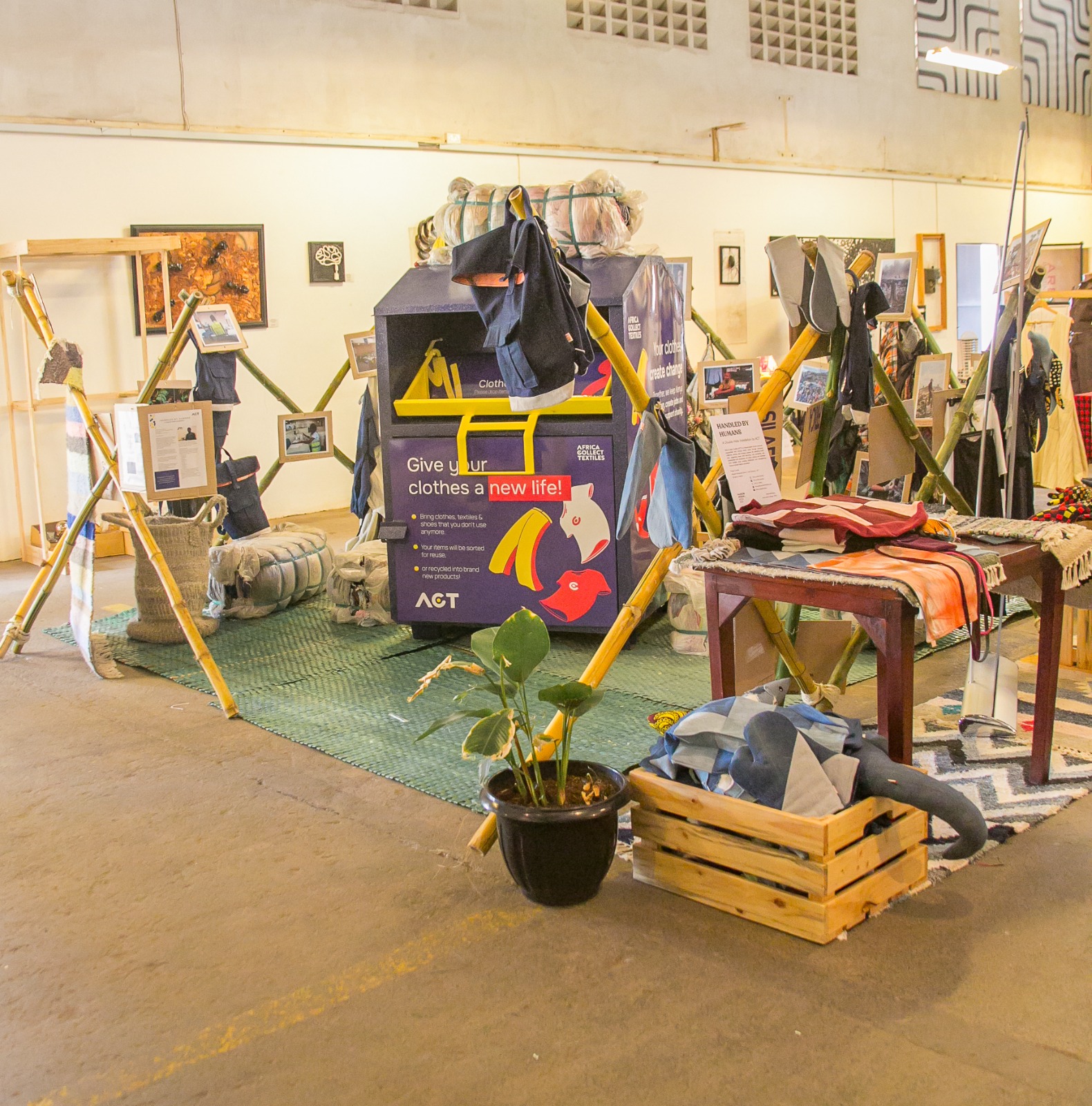
The week-long festival, held from March 7 to March 15 in Nairobi, brought together designers, creatives, and innovators under the theme Let’s Be Human, focusing on inclusion, sustainability, and community-driven design.
Organisers said the 11th edition also highlighted emerging talent, who made up 84 per cent of the exhibitors, pointing to a generational shift in the sector.
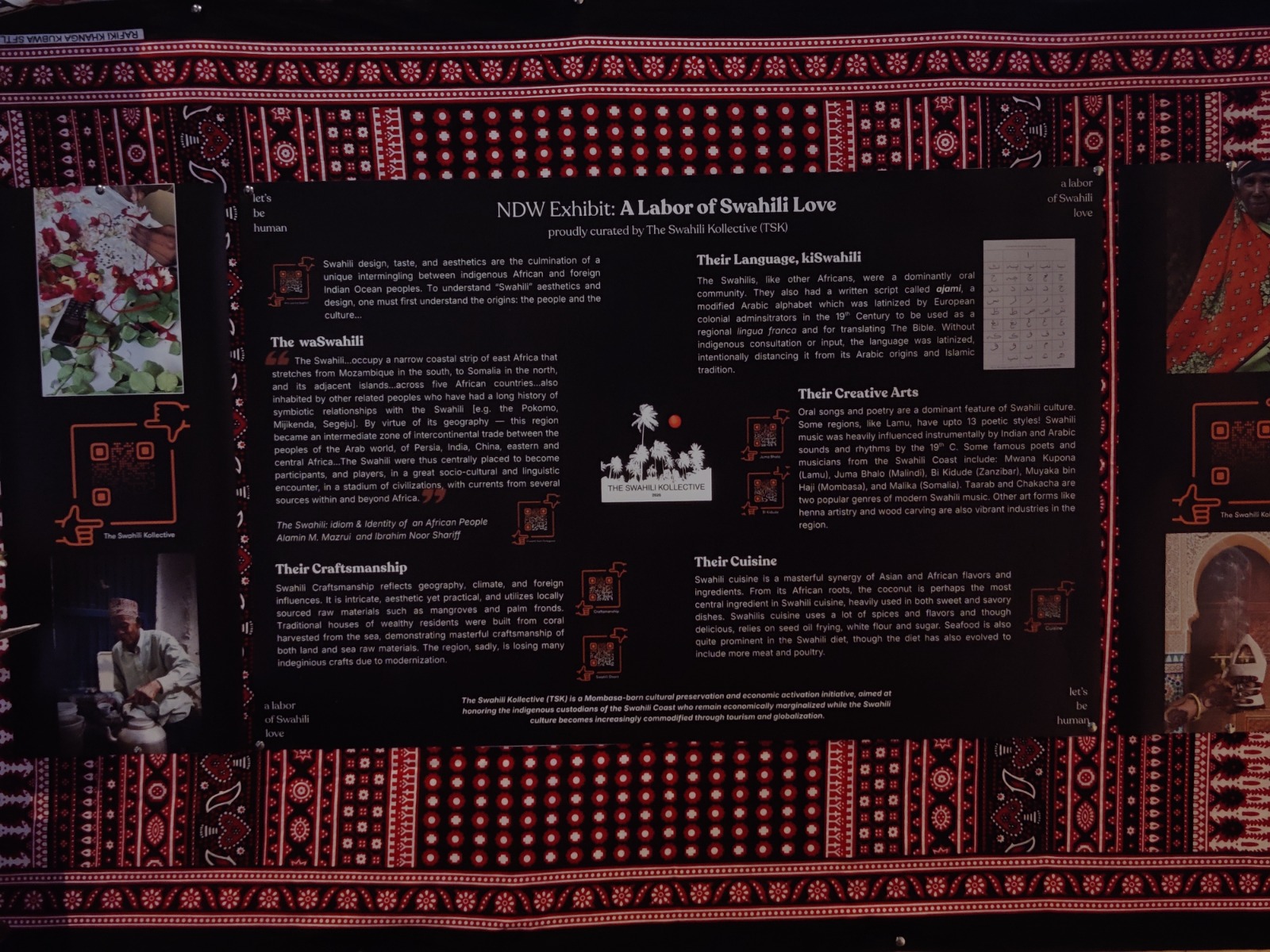
Conversations around women’s role in the industry also featured prominently, including a Mums in Creative session held on International Women’s Day.
Adrian Jankowiak said the strong participation of women reflects a broader shift in how design is evolving across the continent.
“To see women contributing to a majority of our exhibits fills me with immense pride. It reflects our core belief that human experience is the future of design,” said Adrian Jankowiak, Director & Founder at Nairobi Design Week.
This year’s edition attracted a mix of international and regional designers, including Sarah Boris, Taofeeqoh, Makani by Samah from Sudan, and Kenneth Kanaabi, underscoring Nairobi’s growing position as a hub for design and creative innovation in Africa.
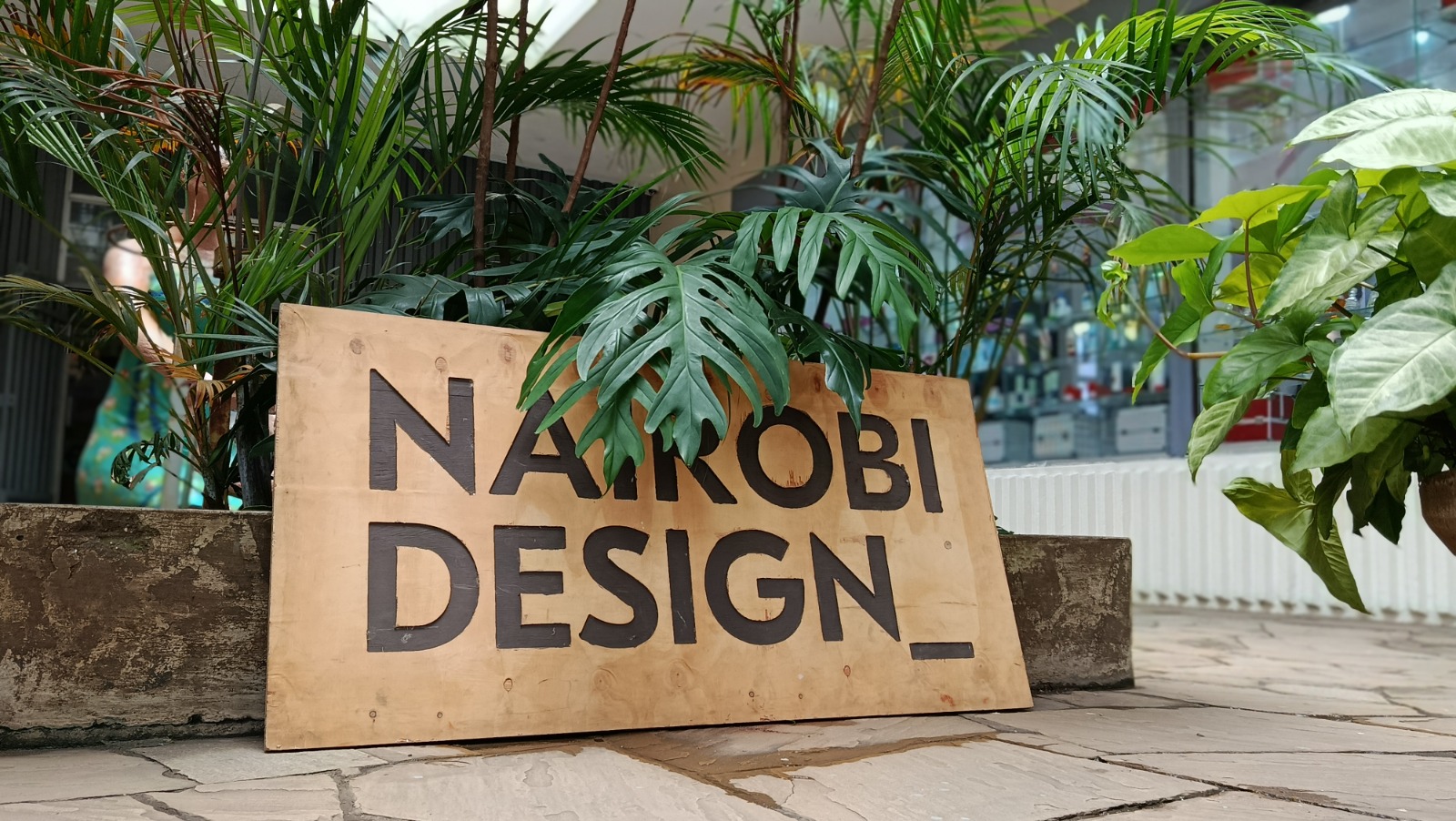
“Being part of Nairobi Design Week has been incredibly inspiring, and this year’s theme aligns with our mission of creating with purpose and connecting people,” said Lorenza Marzo, Director at Womencraft.
“Imani Collective’s Human Thread exhibition highlighted the people, materials, and processes behind our work,” said Dr. Jenny Nuccio, Founder & Director at Imani Collective.
The festival adopted a decentralised format, with events held across multiple venues including Alliance Française Nairobi and Goethe-Institut Nairobi, as well as locations in Ngara and Baba Dogo.
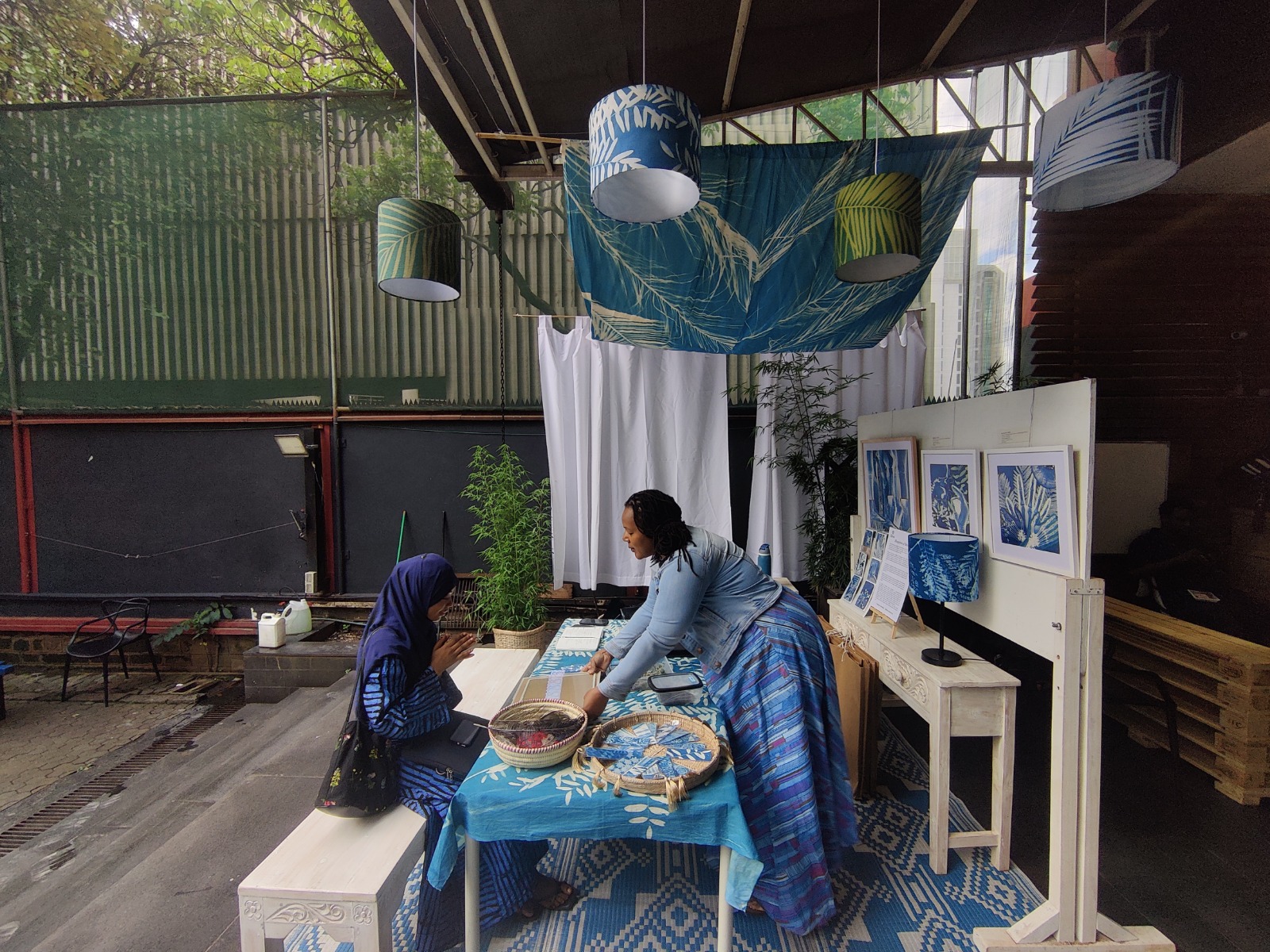
From bio-material innovation to traditional handmade textiles, the event showcased a wide range of ideas shaping the future of design.
Digital experiences were also featured, including screenings and interactive demonstrations of the 3D video game “Hiru.”
Organisers said the strong showing by women and emerging designers reflects a broader shift in Africa’s creative economy, where inclusion and human-centred design are increasingly taking the lead.