Walk into many classrooms and you will see young people doing exactly what they have been trained to do: listening, following instructions and trying not to make mistakes.
This discipline has value. But on its own, it is not enough for the world Kenya’s young generation is inheriting.
The future will not reward those who simply repeat what already exists. It will reward those who can imagine alternatives, connect ideas and turn them into action. In other words, it will reward creativity.
Creativity is not about talent for art alone. It is the human capacity to see differently, to experiment and to build something new. It is the foundation of innovation, entrepreneurship, leadership and social progress. Every breakthrough — in technology, business, science or community development — exists because of creativity.
Yet when creativity is marginalised in education, young people learn to “play safe”. They learn to avoid standing out, to hide unusual ideas and to wait for approval before acting. Over time, this trains them to limit themselves.
When creativity is encouraged and recognised, something powerful happens. Young people begin to take responsibility for ideas. They speak up. They experiment. They learn that their imagination has value — and that they can shape the world around them.
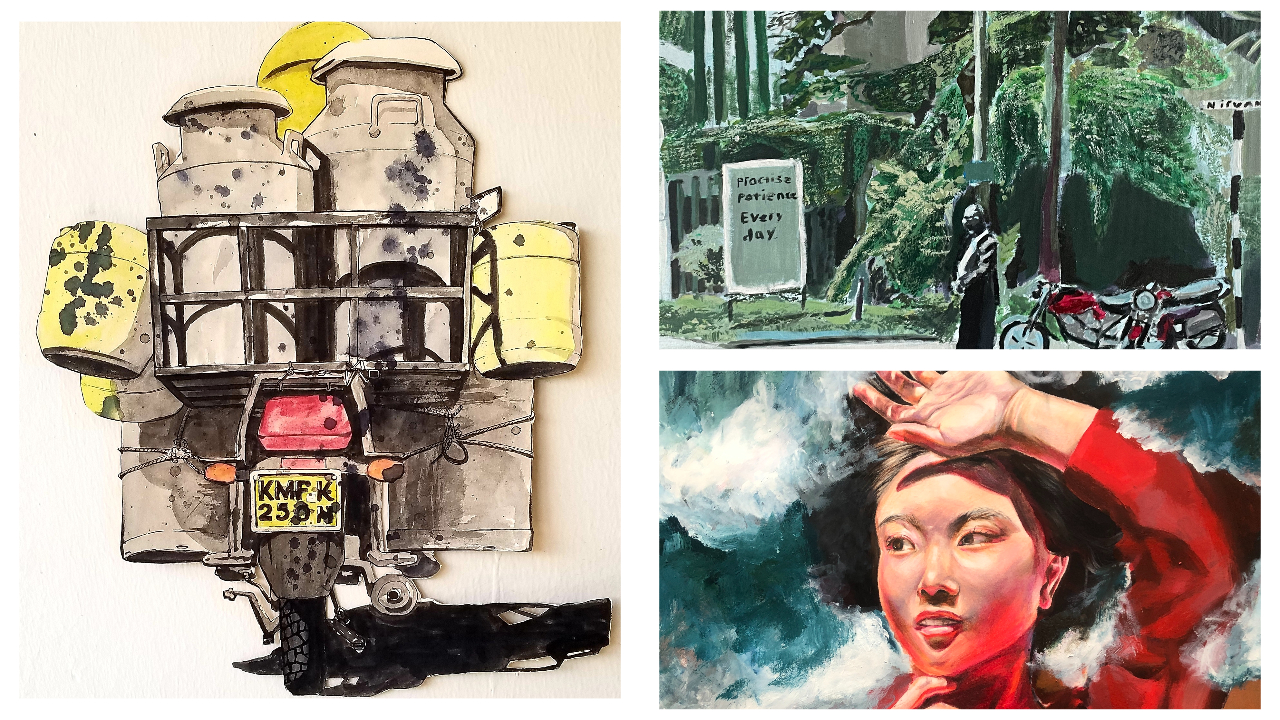
This belief sits at the heart of the MASK Awards, an international initiative that celebrates young creativity through art and innovation. The Awards were created to send a clear message: Creativity matters, and it deserves public recognition.
Unlike traditional competitions, the MASK Awards celebrate originality, effort and imaginative courage. Young people are invited to explore ideas freely, respond to real-world challenges and take creative risks.
Art plays a central role in this process. Art is not treated as a test of talent but as a thinking tool. Through artistic practice, young people learn to observe, imagine, experiment and create — and these abilities directly support innovation across all fields.
Recognition in this process is not an afterthought, it is the engine.
When young people receive recognition for creative effort, their confidence grows. They become more willing to share ideas, more resilient when things don’t work and more engaged in learning overall. Teachers frequently report changes that go far beyond creativity sessions. Young people who were once silent begin to participate, those who lacked confidence begin to lead and learning becomes more purposeful across subjects.
In this sense, creativity education is not a distraction from academic achievement. It strengthens the foundations of learning itself: motivation, curiosity, confidence and agency.
The MASK Awards also operate as a cultural signal. When schools, teachers, media and communities publicly value creativity, young people receive a powerful message about who they are allowed to become. They see that imagination is not childish, originality is not dangerous and ideas can have real impact.
This year’s MASK Awards Prize-Giving Ceremony will take place in Nairobi and is open to all readers of the Star. As media partner, the Star has played a vital role in amplifying these stories and ensuring that young creativity is seen, valued and taken seriously.
As Kenya prepares young people for life in a rapidly changing world, the MASK Awards offer a glimpse of what becomes possible when imagination is not suppressed but celebrated.
Families, educators and community members are invited to experience the power of young creativity first-hand.
MASK Awards 2025 Prize-Giving CeremonyWhen: Friday, January 30, 2026, 1:00 PMWhere: Sarakasi Dome, Ngara Road, NairobiEntry: Free — with music and celebrationAll readers of the Star are welcome
Alla Tkachuk is the founder of MASK Awards