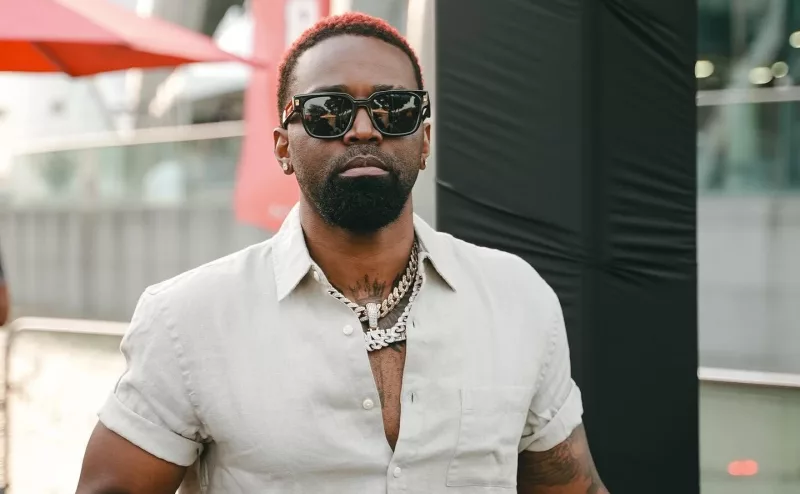
Legendary entertainer DJ Lyta has sparked a fresh conversation about digital privacy in Kenya. Just weeks after Safaricom began masking phone numbers on M-Pesa, the popular DJ is pushing for the company to go a step further.
He has suggested that the mobile money giant should also hide the second names of users during transactions.
His reasoning is simple but significant: he believe this move is necessary to put an end to tribal profiling in the digital space.
The Push for Anonymity
The suggestion comes at a time when Kenyans are becoming more sensitive about how much of their personal data is visible to strangers. While M-Pesa has revolutionised how money moves, it has also traditionally revealed a user's full name and mobile number to anyone they send money to—or receive it from.
For many, a second name in Kenya can act as an ethnic identifier. By suggesting the removal of the second name, DJ Lyta is highlighting a social concern that goes beyond basic financial security.

"Safaricom Mpesa should also hide the second name to stop the tribal profiling," the DJ shared in a recent social media post.
Building on Recent Changes
This call for action follows a major update implemented by Safaricom in March 2024. On 24 March, the company went live with a new feature that partially masks mobile numbers in peer-to-peer (P2P) transactions.
Under the current system, transaction notifications now show numbers in a formatted style, such as 0722 * 000. This change was part of a "data minimisation" strategy.
The goal is to ensure that only the most essential information is shared when money changes hands.
A Massive Digital Footprint
The scale of M-Pesa makes any change to its privacy settings a matter of national importance. The platform currently supports approximately 14.1 million daily active users for peer-to-peer transfers.
ALSO READ: M-Pesa Privacy: Safaricom Starts Masking Sender Phone Numbers
These users generate a staggering 37 million transactions every single day. In terms of value, the platform moves roughly $208 million (Sh27 billion) daily.
With such a high volume of interaction, the risk of data harvesting and "social engineering" attacks has become a top priority for the service provider.
The Fight Against Fraud
Safaricom CEO Peter Ndegwa has previously stated that these privacy measures are a "major step in the right direction" for protecting customers. The primary focus of the initial number-masking rollout was to combat fraud, spam, and unwanted marketing messages.
“We have an obligation to ensure maximum digital security for our customers,” said Ndegwa during the March rollout.
Currently, names on the platform are limited to two identifiers to help with recognition while still trying to maintain some level of privacy. However, for those concerned about profiling, like DJ Lyta, having even two names visible remains a point of contention.

What Happens Next?
Under the existing privacy framework, users who need the full details of a person they are transacting with can still request verification. This is done by sending the transaction message to a dedicated code, allowing the sender to decide if they wish to share their full identity.
As the conversation around "privacy-by-design" grows, Safaricom continues to face pressure to balance ease of use with the social and security needs of its millions of customers.