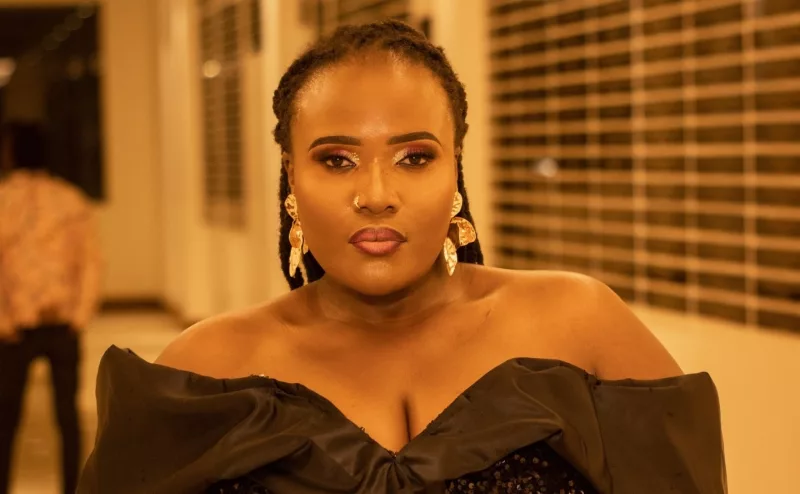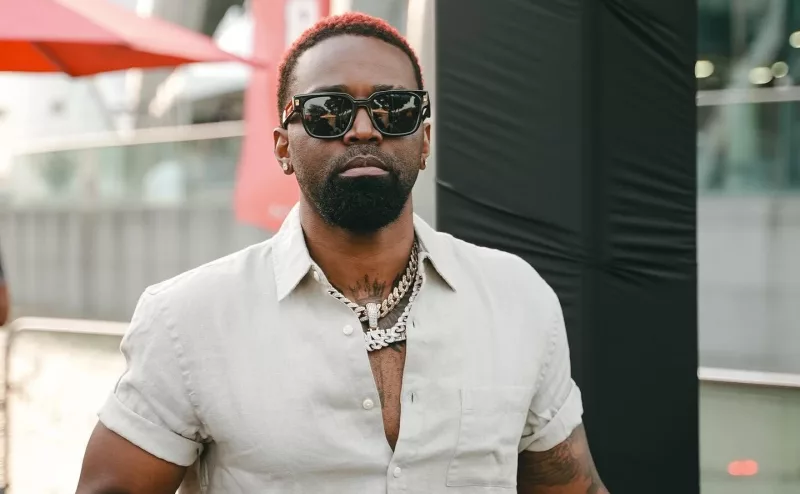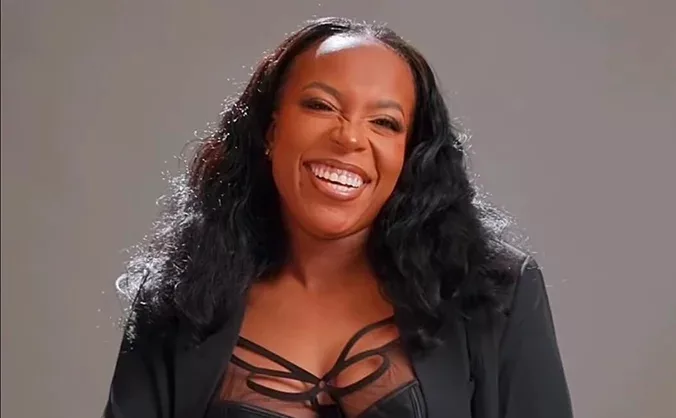
The digital landscape in Kenya is buzzing following provocative remarks from prominent businesswoman Shiquo wa Hiistyles regarding property ownership in modern marriages.
Her comments have touched a nerve, highlighting a growing trend among men to bypass their spouses in favour of their mothers when registering assets.
The debate erupted in the shadow of the highly publicised divorce between comedian Timothy Kimani, popularly known as Njugush, and his long-time partner, Celestine Ndinda.
While the split itself shocked fans, unconfirmed rumours suggesting that Njugush may have registered his mother as his next of kin, rather than Celestine, have added fuel to an already intense discussion.
“Marry His Mother Instead”
Taking to social media to address the trending topic, Shiquo was blunt about the shift in how men are protecting their wealth. She noted that the era of men automatically putting property in their wives’ names is rapidly fading.
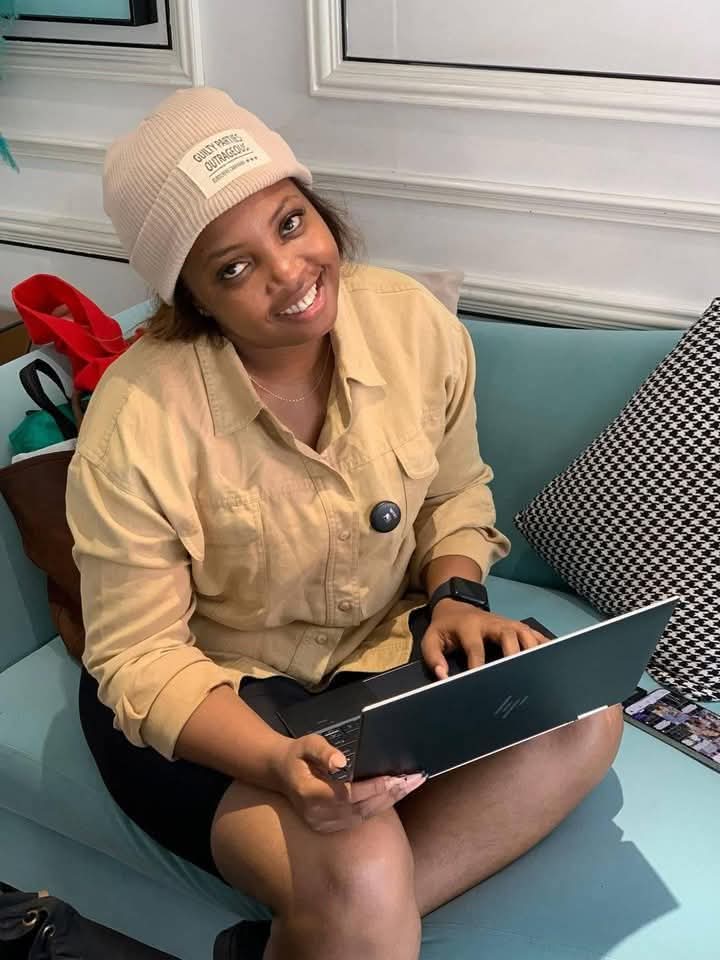
“Men no longer put properties under your name. Hawaweki property na jina za mabibi. Ukitaka kuoa mwanaume saa hii, tafadhali oa mama yake,” Shiquo noted.
According to Shiquo, the fear of losing half of one's estate in a divorce settlement has led many men to seek more "permanent" beneficiaries. In her view, the security felt in the mother-son bond is currently outweighing the trust placed in marital contracts.
The ‘Sharp Boy’ Phenomenon
Shiquo’s reaction reflects a broader sentiment circulating on platforms like Twitter and TikTok, where men are increasingly identifying as "Sharp Boys." This subculture prides itself on financial foresight and "divorce-proofing" assets.
ALSO READ: Shiquo Wa HiiStyles Slams Calls for Majembe to Return to School After Win Vs. Mbavu
“Ukidivorce, wewe unafikiria ni mtu... afadhali ungeoa mama yake. It would have been better because men no longer put properties under your name. Please, sweetheart, they don’t. Oa mama yake.”
The businesswoman pointed out that this trend is not just a local rumour but a conversation dominating digital spaces. She suggested that the legal battles seen in courts today have made men more cautious.
By naming a mother as the primary beneficiary or owner, men believe they are ensuring their property stays within their biological family line regardless of marital outcomes.
“It is all over Twitter. These ‘Sharp Boys’ are saying that if you divorce, they would rather meet you in court with the mother, not the husband,” she added.
The Njugush-Celestine Context
While neither Njugush nor Celestine has confirmed the specific details of their asset distribution, the mere suggestion of the "mother-as-kin" move has sparked a national debate.

The couple, once considered the "gold standard" of Kenyan celebrity marriages, had built a significant business empire together.
Statistics from the Kenya National Bureau of Statistics (KNBS) indicate that divorce rates in urban areas like Nairobi have seen a steady increase over the last decade.
This shift has prompted a change in how both men and women approach matrimonial property.
The move toward maternal beneficiaries highlights a complex evolution in Kenyan social dynamics. Traditionally, a wife was the default next of kin. However, the rise of high-stakes divorce cases has seemingly rattled the traditional structure.